fallego

Author name: Fallego

Kidney Stone Treatment
Blog

Kidney Stone Treatment: 7 Powerful Tips, Symptoms, Causes & Complete Cost Guide (2026)

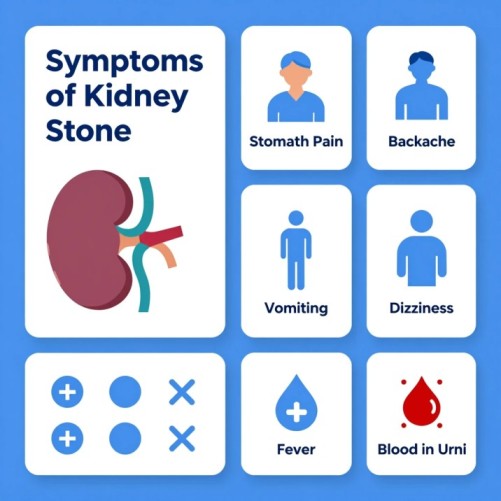
Kidney stone ek common magar bohat painful problem hai jo aaj kal bohat logon me dekhi ja rahi hai. Is blog me hum Kidney Stone Treatment, uske symptoms, causes aur cost ke bare me detail se baat karenge taake aap is problem ko samajh kar sahi decision le saken. Kidney stone asal me choti choti pathriyan hoti hain jo kidneys me minerals aur salts ki wajah se ban jati hain. Jab yeh pathri move karti hai to bohat tez dard hota hai. Kidney Stone Kya Hota Hai? Kidney stone ek hard deposit hota hai jo calcium, oxalate ya uric acid se mil kar banta hai. Yeh size me choti reth ke dane se lekar golf ball tak ho sakta hai. Aksar logon ko shuru me pata nahi chalta, lekin jab stone move karta hai tab symptoms shuru hote hain. Kidney Stone Symptoms (Alamat) Kidney Stone Treatment samajhne se pehle symptoms ka pata hona zaroori hai. Common symptoms ye hain: Peeth ya side me bohat tez dard Peshab me khoon ana Bar bar peshab ana Peshab karte waqt jalan Nausea aur vomiting Bukhar ya infection Sab se common symptom severe pain hota hai jo wave ki tarah aata hai Kidney Stone Causes (Wajuhat) Kidney Stone Treatment tabhi effective hota hai jab aap uski root cause samjhein. 1. Pani kam peena Sab se bari wajah dehydration hai. Jab pani kam hota hai to minerals jam jate hain. 2. Zyada namak aur protein High salt aur meat diet stone banane me help karti hai. 3. Genetics Agar family me kisi ko stone hai to aapko bhi risk hota hai. 4. Obesity Weight zyada hone se urine ka chemical balance disturb hota hai. 5. Medicines Kuch medicines bhi stone ka sabab banti hain. Kidney Stone Treatment – Complete Details Ab baat karte hain sab se important cheez par: Kidney Stone Treatment Treatment depend karta hai stone ke size aur condition par. 1. Natural Treatment (Ghar ka Ilaj) Agar stone chota hai to wo naturally nikal sakta hai: Roz 8–10 glass pani piyenLemon water use karein Coconut water piyenExercise karein Chote stones aksar khud hi urine ke through nikal jate hain. 2. Medicines Doctor kuch medicines prescribe karte hain: Pain killers Antibiotics (infection ke liye) Uric acid control medicines Yeh medicines stone ko break nahi karti lekin symptoms control karti hain. 3. Lithotripsy (Shock Wave Treatment) Is method me sound waves use hoti hain jo stone ko chote pieces me tod deti hain. Surgery nahi hoti Fast recovery Medium size stones ke liye best 4. Ureteroscopy Agar stone phans jaye to doctor camera wali tube se usay nikalte hain. Minor procedure  Direct removal 5. Surgery (Advanced Case) Agar stone bohat bara ho to surgery karni parti hai: Percutaneous nephrolithotomy Large stones ke liye use hota hai Kidney Stone Treatment Cost in Pakistan Cost depend karti hai hospital aur treatment type par: 💰 Estimated Cost: Medicines: 2,000 – 10,000 PKR Lithotripsy: 50,000 – 150,000 PKR Surgery: 150,000 – 400,000 PKR Private hospitals me cost zyada hoti hai jabke government hospitals me kam. Kidney Stone Se Bachne Ka Tarika Prevention hamesha treatment se better hota hai. Important Tips: Rozana zyada pani piyen Namak kam karein Soft drinks avoid karein Balanced diet use karein Exercise regularly Healthy lifestyle kidney stone ke risk ko bohat kam kar deta hai. Kidney Stone Diet Plan Agar aap Kidney Stone Treatment follow kar rahe hain to diet bohat important hai. Kya khana chahiye: Fruits (khas tor par citrus) Sabziyan Pani zyada Kya avoid karein: Red meat Junk food High salt items Kab Doctor Ke Pass Jana Chahiye? Bohat zyada dard Bukhar Peshab band ho jana Khoon ana Delay karna kidney damage ka sabab ban sakta hai. Final Words Kidney stone ek painful lekin treatable problem hai. Agar aap time par symptoms pehchan lein aur sahi Kidney Stone Treatment follow karein to aap is se asani se recover kar sakte hain. Sab se important cheez prevention hai – pani zyada piyen aur healthy lifestyle adopt karein.

benefits of breastfeeding
Blog

10 Proven Benefits of Breastfeeding for Babies & Mothers + Powerful Diet Tips to Boost Milk Naturally

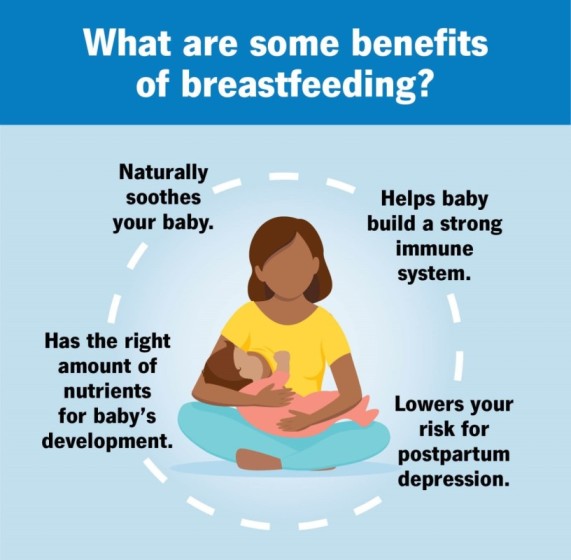
Breastfeeding is one of the most natural and powerful ways to nourish a newborn. The benefits of breastfeeding go beyond basic nutrition—it supports a baby’s growth, strengthens immunity, and improves a mother’s overall health. In this complete guide, we will explore the benefits of breastfeeding for babies and mothers, along with the best diet tips to increase breast milk naturally. 🍼 What is Breastfeeding and Why is it Important? Breastfeeding is the process of feeding a baby with milk directly from the mother’s breast. It contains all essential nutrients required for a newborn’s healthy development. The benefits of breastfeeding include providing antibodies, improving digestion, and building a strong emotional bond between mother and baby. 👶 Top 10 Benefits of Breastfeeding for Babies 1. Complete Nutrition Breast milk contains the perfect balance of proteins, fats, vitamins, and carbohydrates that a baby needs. 2. Boosts Immunity One of the biggest benefits of breastfeeding is that it strengthens the baby’s immune system and protects against infections. 3. Improves Brain Development Breastfed babies often show better cognitive development and higher IQ levels. 4. Reduces Risk of Diseases Breastfeeding lowers the risk of: DiarrheaRespiratory infectionsAllergies 5. Easy to Digest Breast milk is gentle on a baby’s stomach and reduces the chances of constipation. 6. Supports Healthy Weight Babies who are breastfed are less likely to become obese later in life. 7. Emotional Bonding Breastfeeding creates a deep emotional connection between mother and child. 8. Reduces Sudden Infant Death Syndrome (SIDS) Studies show that breastfeeding lowers the risk of SIDS. 9. Natural Hydration Breast milk contains enough water to keep babies hydrated—even in hot climates like Pakistan. 10. Always Safe and Fresh Unlike formula milk, breast milk is always clean, fresh, and at the right temperature. The benefits of breastfeeding include providing antibodies, improving digestion, and building a strong emotional bond between mother and baby. 🤱 Benefits of Breastfeeding for Mothers The benefits of breastfeeding are not limited to babies—mothers also gain significant health advantages. 1. Helps in Weight Loss Breastfeeding burns extra calories, helping mothers lose pregnancy weight faster. 2. Reduces Risk of Breast Cancer Women who breastfeed have a lower risk of developing breast and ovarian cancer. 3. Speeds Up Recovery After Delivery Breastfeeding helps the uterus return to its normal size quickly. 4. Saves Money Breastfeeding is free, unlike formula milk, which can be expensive. 5. Strengthens Emotional Bond It enhances the emotional connection between mother and baby. 6. Reduces Postpartum Depression Breastfeeding releases hormones that help improve mood and reduce stress. 🧬 Nutritional Value of Breast Milk Breast milk is often called “liquid gold” because of its rich nutritional content: Proteins for growth Healthy fats for brain development Antibodies for immunity Vitamins and minerals This is why the benefits of breastfeeding are unmatched compared to formula feeding. 🥗 Best Diet for Breastfeeding Mothers A healthy diet is essential to maximize the benefits of breastfeeding. 🥦 Recommended Foods: Green leafy vegetables (spinach, broccoli) Fruits (bananas, apples, oranges) Whole grains Milk and dairy products Eggs and lean meat 💧 Stay Hydrated: Drink at least 8–10 glasses of water daily to maintain milk supply. 🌿 Foods That Increase Breast Milk Naturally To enhance the benefits of breastfeeding, include these foods: Fenugreek (methi) Fennel seeds (saunf) Oats Garlic Almonds These foods help improve milk production naturally. ⚡ Tips to Improve Breast Milk Supply Feed your baby frequently Maintain a healthy diet Get enough rest Avoid stress Stay hydrated Consistency is key to maintaining the benefits of breastfeeding. 🚫 Common Breastfeeding Myths ❌ Myth 1: Formula milk is equal to breast milk 👉 Truth: Breast milk is far superior. ❌ Myth 2: Small breasts produce less milk 👉 Truth: Breast size does not affect milk production. ❌ Myth 3: Breastfeeding should stop after a few months 👉 Truth: Experts recommend breastfeeding for at least 6 months. 👩‍⚕️ When to Consult a Doctor Seek medical advice if: Baby is not gaining weight Mother feels severe pain Low milk supply issues persist ❓ FAQs 1. What are the benefits of breastfeeding for babies? Breastfeeding provides complete nutrition, boosts immunity, and protects babies from infections. 2. Does breastfeeding help mothers lose weight? Yes, it burns extra calories and helps in faster weight loss. 3. Which foods increase breast milk production? Fenugreek, oats, garlic, and almonds are helpful. 4. How long should breastfeeding continue? At least 6 months exclusively, followed by continued feeding with solid foods. 5. Is formula milk better than breast milk? No, breast milk is the best and most natural nutrition for babies. 🧾 Conclusion The benefits of breastfeeding are undeniable for both babies and mothers. From boosting immunity to improving emotional bonding and supporting long-term health, breastfeeding is the best start you can give your child. By following a healthy diet and proper lifestyle, mothers can maximize these benefits and ensure optimal growth for their babies. 📢 Call to Action (Fallego) 👉 Need expert guidance? Consult a general physician online for just Rs. 200 on Fallego — available 24/7 across Pakistan.Contact number 0333-9025207

how to become slim naturally
Blog

How to Become Slim Naturally: 7 Easy & Effective Weight Loss Tips

In today’s fast-paced life, many people want to achieve a slim and healthy body. However, strict dieting plans, heavy workouts, and expensive gym memberships can feel overwhelming. The good news is that you don’t need extreme methods to lose weight. If you are thinking about how to become slim naturally, the answer lies in simple lifestyle changes and consistency. Natural weight loss is not about starving yourself or following difficult routines. It is about building healthy habits that you can follow every day. When you focus on natural ways, your body responds better, and the results are long-lasting. Let’s explore how to become slim naturally with easy and effective tips that actually work. 1. Eat Balanced and Natural Food The first and most important step in becoming slim naturally is improving your diet. What you eat has a direct impact on your body weight. Instead of following strict diets, focus on eating balanced and natural food. Include fresh vegetables, fruits, whole grains, and protein-rich foods in your daily meals. These foods provide essential nutrients and keep your body active. Try to avoid processed foods, junk food, and sugary drinks because they contain empty calories and lead to weight gain. If you truly want to learn how to become slim naturally, start by making small changes in your meals. For example, replace fried snacks with fruits or nuts. Choose home-cooked food instead of fast food. These small steps can make a big difference over time. 2. Drink More Water Daily Water is one of the simplest and most effective ways to lose weight naturally. Many people ignore the importance of staying hydrated, but it plays a key role in weight loss. Drinking enough water helps boost your metabolism and improves digestion. It also reduces unnecessary hunger cravings. Sometimes, we think we are hungry, but our body actually needs water. To become slim naturally, try to drink at least 7–8 glasses of water every day. You can also drink a glass of water before meals to control your portion size. This is a simple habit but very powerful for natural weight loss. Include fresh vegetables, fruits, whole grains, and protein-rich foods in your daily meals. These foods provide essential nutrients and keep your body active. Try to avoid processed foods, junk food, and sugary drinks because they contain empty calories and lead to weight gain. If you truly want to learn how to become slim naturally, start by making small changes in your meals. For example, replace fried snacks with fruits or nuts. Choose home-cooked food instead of fast food. These small steps can make a big difference over time. 3. Stay Active Without Going to the Gym One of the biggest misconceptions is that you need a gym to lose weight. The truth is, you can become slim naturally by staying active in your daily life. Simple activities like walking, cleaning, using stairs, or doing light exercises at home can help you burn calories. You don’t need intense workouts; even 20–30 minutes of activity daily is enough to make progress. If you are busy, try to include movement in your routine. Walk instead of using a bike for short distances. Take stairs instead of the elevator. These small actions contribute to your weight loss journey. If your goal is how to become slim naturally, staying active should be part of your daily life, not a burden. 4. Get Proper Sleep Sleep is often ignored, but it is very important for weight loss. If you don’t get enough sleep, your body may store more fat and increase hunger hormones. When you sleep properly, your body repairs itself and maintains a healthy metabolism. Lack of sleep can also lead to stress, which can cause weight gain. To become slim naturally, aim for at least 7–8 hours of quality sleep every night. Try to sleep at the same time daily and avoid using your phone before bedtime. Good sleep improves both your physical and mental health. 5. Avoid Sugary and Oily Foods Reducing sugar and oily foods is one of the easiest ways to lose weight naturally. These foods are high in calories and low in nutrition. Sugary drinks, sweets, fried snacks, and fast food can slow down your progress. They also increase fat storage in the body. If you want to become slim naturally, try to limit these foods as much as possible. You don’t have to stop completely, but controlling your intake is important. Choose healthier alternatives like fresh juices, baked snacks, or homemade meals. This small change can help you see faster results. 6. Eat Slowly and Mindfully Many people gain weight because they eat too fast. When you eat quickly, your brain does not get enough time to realize that you are full. This leads to overeating. Eating slowly and mindfully helps you control your portion size. It also improves digestion and makes you feel satisfied with less food. If you are serious about how to become slim naturally, start paying attention to your eating habits. Sit properly, avoid distractions like mobile phones, and enjoy your food. This simple habit can have a big impact on your weight. 7. Stay Consistent and Patient The most important factor in natural weight loss is consistency. Many people start their journey with motivation but give up after a few days. This is the biggest mistake. Natural weight loss takes time, but it is healthy and long-lasting. Instead of looking for quick results, focus on building habits that you can maintain. If you follow these tips regularly, you will gradually see changes in your body. Remember, becoming slim naturally is a journey, not a race. Why Natural Weight Loss is Better Natural weight loss methods are safer and more effective compared to extreme dieting or supplements. When you lose weight naturally, your body stays healthy, and the results last longer. Crash diets may give quick results, but they can harm your health and cause weight gain later. On the other hand, natural methods

10 Benefits of Golden (Turmeric) Milk and How to Make It at Home Easily
Blog

10 Benefits of Golden (Turmeric) Milk and How to Make It at Home Easily.

Golden milk, also known as turmeric milk or haldi doodh, is a powerful natural drink packed with healing properties. The 10 benefits of Golden (Turmeric) Milk and how to make it is a topic gaining popularity due to its amazing impact on health. Understanding the 10 benefits of Golden (Turmeric) Milk and how to make it can help you include this super drink in your daily routine for better immunity and overall wellness. 🟡 What is Golden (Turmeric) Milk? Golden milk is a traditional drink made with milk and turmeric, often combined with black pepper and natural sweeteners. The main compound in turmeric, curcumin, is responsible for many of the 10 benefits of Golden (Turmeric) Milk and how to make it. 💪 1. Boosts Immunity One of the most important points in the 10 benefits of Golden (Turmeric) Milk and how to make it is its immune-boosting power. 👉 Helps: Fight infections Protect against flu Strengthen immune response 🔥 2. Reduces Inflammation Turmeric is known for its anti-inflammatory properties. 👉 As part of the 10 benefits of Golden (Turmeric) Milk and how to make it: Reduces joint pain Helps arthritis Relieves muscle soreness ❤️ 3. Supports Heart Health Golden milk contributes to a healthy heart. 👉 Benefits: Lowers cholesterol Improves circulation Reduces heart disease risk 🧠 4. Improves Brain Function Another key highlight of the 10 benefits of Golden (Turmeric) Milk and how to make it is brain support. 👉 Helps: Boost memory Improve focus Reduce stress ⚖️ 5. Helps in Weight Loss Golden milk can support weight management. 👉 Benefits: Boosts metabolism Reduces fat storage Keeps you full ✨ 6. Promotes Healthy Skin Among the 10 benefits of Golden (Turmeric) Milk and how to make it, skin improvement is a major one. 👉 Helps: Reduce acne Improve glow Slow aging 😴 7. Improves Sleep Quality Golden milk is widely used for better sleep. 👉 Benefits: Calms the mind Reduces anxiety Promotes deep sleep 🦴 8. Strengthens Bones Milk and turmeric together improve bone health. 👉 Benefits: Provides calcium Prevents bone weakness 🩺 9. Controls Blood Sugar Golden milk may help regulate sugar levels. 👉 Benefits: Improves insulin response Prevents spikes 🧬 10. Detoxifies the Body The final point in the 10 benefits of Golden (Turmeric) Milk and how to make it is detoxification. 👉 Helps: Clean liver Remove toxins Improve digestion 🍽️ How to Make Golden (Turmeric) Milk at Home Understanding how to make Golden (Turmeric) Milk is simple and essential. 📝 Ingredients: 1 cup milk ½ teaspoon turmeric Pinch of black pepper 1 teaspoon honey Optional: cinnamon 👩‍🍳 Method: Heat the milk in a pan Add turmeric and black pepper Stir well for 3–5 minutes Turn off heat Add honey and mix 👉 This easy recipe completes the 10 benefits of Golden (Turmeric) Milk and how to make it guide. ⏰ Best Time to Drink Golden Milk At night (for better sleep) Morning (for immunity boost) Including this routine enhances the 10 benefits of Golden (Turmeric) Milk and how to make it. ⚠️ Side Effects While the 10 benefits of Golden (Turmeric) Milk and how to make it are impressive, overuse may cause: Stomach upset Allergies Medication interaction 👉 Always consume in moderation.

Health Benefits of Peaches
Blog

Health Benefits of Peaches: A Complete Guide

Peaches are not just delicious and juicy—they are packed with essential nutrients that offer numerous health benefits. Whether you enjoy them fresh, in smoothies, or as part of desserts, peaches can significantly improve your overall health. In this detailed guide, we will explore the health benefits of peaches, their nutritional value, and why you should include them in your daily diet. 🥗 Nutritional Value of Peaches Peaches are low in calories but high in vitamins, minerals, and antioxidants. One medium peach contains: Calories: 58 Fiber: 2 grams Vitamin C: 17% of daily value Vitamin A: 10% of daily value Potassium: 8% of daily value This makes peaches an excellent choice for a healthy lifestyle. 💪 1. Rich in Antioxidants One of the biggest health benefits of peaches is their high antioxidant content. Antioxidants help fight free radicals in the body, reducing oxidative stress. 👉 Benefits: Slows aging Reduces risk of chronic diseases Boosts immunity ❤️ 2. Supports Heart Health Peaches contain potassium and antioxidants that help maintain healthy blood pressure levels. 👉 How it helps: Reduces bad cholesterol (LDL) Improves blood circulation Lowers risk of heart disease ⚖️ 3. Aids in Weight Loss If you’re trying to lose weight, peaches are an excellent addition to your diet. 👉 Why peaches help: Low in calories High in water content Keeps you full longer 🌿 4. Improves Digestion Peaches are rich in dietary fiber, which is essential for a healthy digestive system. 👉 Benefits: Prevents constipation Promotes gut health Supports healthy bowel movements ✨ 5. Promotes Healthy Skin Another amazing health benefit of peaches is glowing skin. 👉 Skin benefits: Vitamin C boosts collagen production Hydrates skin naturally Reduces wrinkles and fine lines 🛡️ 6. Boosts Immunity Peaches are loaded with vitamin C and antioxidants that strengthen the immune system. 👉 Helps in: Fighting infections Faster recovery from illness Protecting against seasonal diseases 👁️ 7. Good for Eye Health Peaches contain beta-carotene, which converts into vitamin A in the body. 👉 Benefits: Improves vision Prevents night blindness Protects against eye disorders 🧠 8. Supports Brain Health Peaches contain compounds that improve brain function. 👉 Benefits: Enhances memory Reduces stress Improves focus 🩺 9. Helps Control Blood Sugar Despite being sweet, peaches have a low glycemic index. 👉 Benefits: Prevents sugar spikes Suitable for diabetics (in moderation) Supports insulin regulation 💧 10. Keeps You Hydrated Peaches are made up of about 85–90% water. 👉 Benefits: Prevents dehydration Maintains body temperature Supports overall body function 🦴 11. Strengthens Bones Peaches contain essential minerals like potassium and magnesium. 👉 Benefits: Improves bone density Reduces risk of osteoporosis 🌸 12. May Help Prevent Cancer Peaches contain polyphenols and antioxidants that may reduce cancer risk. 👉 Potential benefits: Inhibits growth of cancer cells Protects healthy cells 🧬 13. Detoxifies the Body Peaches help cleanse the liver and kidneys. 👉 Benefits: Removes toxins Improves metabolism Supports liver health 😌 14. Reduces Stress and Anxiety Peaches have calming properties. 👉 Benefits: Reduces stress levels Promotes relaxation Improves mood 🤰 15. Beneficial During Pregnancy Peaches are rich in folate and essential nutrients. 👉 Benefits: Supports fetal development Prevents birth defects Boosts energy 🍽️ How to Add Peaches to Your Diet Here are some easy ways to include peaches in your daily routine: Eat fresh as a snack Add to smoothies Use in fruit salads Make peach juice Add to yogurt or oatmeal ⚠️ Are There Any Side Effects? While peaches are generally safe, excessive consumption may cause: Allergic reactions in some people Digestive issues if overeaten 👉 Tip: Always wash peaches properly before eating.

Psychological Effects of War on Human Health
Blog

Psychological Effects of War on Human Health

War is one of the most devastating experiences that human beings can face. Beyond physical destruction, the psychological effects of war on human health can leave deep emotional scars that last for decades. War affects not only soldiers but also civilians, children, and refugees who experience violence, displacement, and loss. The psychological effects of war on human health include trauma, anxiety, depression, and post-traumatic stress disorder (PTSD). These mental health conditions often persist long after the war ends, affecting people’s ability to live normal lives. Understanding the psychological effects of war on human health is essential because millions of people around the world continue to suffer from these invisible wounds. 1. Post-Traumatic Stress Disorder (PTSD) One of the most serious psychological effects of war on human health is Post-Traumatic Stress Disorder (PTSD). This condition occurs when individuals experience or witness traumatic events such as explosions, shootings, or the loss of loved ones. PTSD symptoms include: Flashbacks of traumatic events Nightmares Severe anxiety Emotional numbness Difficulty concentrating For soldiers returning from combat zones, PTSD can significantly affect their daily lives. Similarly, civilians living in war-affected regions often develop PTSD due to continuous exposure to violence. Among the many psychological effects of war on human health, PTSD is one of the most widely studied and recognized mental health disorders. 2. Anxiety and Constant Fear War creates an environment of constant danger. People living in conflict zones are often exposed to daily threats such as bombings and armed attacks. As a result, another major psychological effects of war on human health is chronic anxiety. Individuals affected by war frequently experience: Constant fear Panic attacks Hypervigilance Difficulty relaxing These symptoms occur because the human brain becomes conditioned to remain alert in dangerous situations. Even after the war ends, these psychological effects of war on human health may continue for years. 3. Depression and Emotional Trauma Depression is another common consequence of war. The loss of family members, homes, and communities can lead to deep emotional pain. People suffering from depression may experience: Persistent sadness Loss of motivation Fatigue Hopelessness Among the many psychological effects of war on human health, depression often goes untreated because mental health services are limited in war-affected regions. The long-term psychological effects of war on human health can worsen when depression is combined with poverty, displacement, and social isolation. 4. Psychological Trauma in Children Children are among the most vulnerable victims of armed conflict. Exposure to violence can disrupt their emotional and psychological development. Children exposed to war may experience: Nightmares Behavioral changes Difficulty concentrating in school Emotional withdrawal These childhood experiences contribute to long-term psychological effects of war on human health, which can continue into adulthood. Protecting children from trauma is essential to reduce the psychological effects of war on human health in future generations. 5. Social Isolation and Loss of Community War often destroys communities and social support systems. Families may be separated, neighborhoods destroyed, and people forced to flee their homes. This breakdown of social structures can lead to social isolation, which further worsens mental health problems. Humans rely heavily on social connections for emotional support. When those connections disappear, people may experience: Loneliness Emotional withdrawal Loss of identity Increased risk of depression Rebuilding communities after war is essential for improving the psychological wellbeing of survivors. 6. Sleep Disorders and Chronic Stress Sleep problems are extremely common among people who have experienced war. Trauma affects the brain’s stress response system, making it difficult for survivors to relax or feel safe. Common sleep-related issues include: Insomnia Nightmares Interrupted sleep Sleep anxiety Chronic stress caused by war can also lead to physical health problems such as: High blood pressure weakened immune system cardiovascular disease Mental health experts emphasize that untreated trauma can lead to long-term health complications if psychological support is not provided. 7. Long-Term Psychological Impact One of the most concerning aspects of war trauma is its long-term psychological impact. Even after the conflict ends, many survivors continue to suffer from emotional and mental health problems. Long-term effects may include: Persistent PTSD Chronic depression Substance abuse Difficulty maintaining relationships Reduced quality of life Studies show that trauma exposure during war can affect mental health for decades, particularly among people who experienced displacement or loss. In some cases, trauma can even affect future generations through intergenerational stress and family instability. Why Mental Health Support Is Essential After War Mental health care is critical for people affected by war. Psychological treatment can help survivors recover from trauma and rebuild their lives. Effective support strategies include: Trauma-focused therapy Community support programs Psychological counseling Social reintegration programs International organizations and healthcare systems increasingly recognize that mental health support must be a central part of humanitarian response efforts. Without proper mental health care, the psychological scars of war can persist for generations. Conclusion War does far more than destroy buildings and infrastructure—it deeply affects the human mind. The psychological effects of war on human health include PTSD, anxiety, depression, childhood trauma, sleep disorders, social isolation, and long-term mental health challenges. Millions of people worldwide continue to suffer from these invisible wounds long after conflicts end. Understanding the mental health consequences of war is essential for providing effective support and helping survivors heal. By investing in mental health care, community rebuilding, and trauma recovery programs, societies can help war survivors regain stability and hope for the future.

Benefits of Sunflower Seed
Blog

7 Incredible Benefits of Sunflower Seed: A Complete Guide to Health and Wellness

Benefits of sunflower seed – Sunflower seeds are small, crunchy, and nutrient-packed seeds that can provide numerous health benefits. Rich in vitamins, minerals, antioxidants, and healthy fats, sunflower seeds are considered a superfood that can support your heart, skin, hair, and energy levels. In this article, we will explore the 7 major benefits of sunflower seed, and how you can incorporate them into your daily diet for optimal health. 1. Supports Heart Health Sunflower seeds are highly beneficial for cardiovascular health. They are rich in healthy fats, particularly polyunsaturated and monounsaturated fats, which help lower bad cholesterol (LDL) and increase good cholesterol (HDL). Key Nutrients for Heart Health Vitamin E: Powerful antioxidant that prevents oxidative stress in the arteries. Magnesium: Maintains normal blood pressure and supports healthy heart function. Phytosterols: Natural compounds that reduce cholesterol levels. How Sunflower Seeds Help Reduce inflammation in blood vessels Improve blood circulation Lower risk of heart attacks and strokes Tip: Snack on a handful of sunflower seeds daily or sprinkle them on salads for natural heart support. 2. Boosts Skin Health Sunflower seeds are packed with vitamins and antioxidants that promote radiant and healthy skin. Vitamin E for Skin Moisturizes and nourishes skin naturally Protects against UV damage Slows down the appearance of fine lines and wrinkles Selenium and Zinc Promote healing and skin regeneration Reduce acne and inflammation Tip: Include sunflower seeds in your diet to improve skin tone, elasticity, and overall glow. Key Nutrients for Heart Health Vitamin E: Powerful antioxidant that prevents oxidative stress in the arteries. Magnesium: Maintains normal blood pressure and supports healthy heart function. Phytosterols: Natural compounds that reduce cholesterol levels. How Sunflower Seeds Help Reduce inflammation in blood vessels Improve blood circulation Lower risk of heart attacks and strokes Tip: Snack on a handful of sunflower seeds daily or sprinkle them on salads for natural heart support. 3. Strengthens Hair and Nails Sunflower seeds are rich in biotin, zinc, and selenium, which are essential for strong hair and nails. Hair Benefits Promote hair growth and strength Reduce hair fall and breakage Add natural shine and vitality Nail Benefits Prevent brittleness Improve nail strength and growth Tip: Regular consumption of sunflower seeds can improve hair and nail health over time. 4. Provides Energy and Satiety Sunflower seeds are an excellent source of protein, fiber, and healthy fats, which provide sustained energy and keep you full longer. Protein Content Supports muscle growth and repair Helps maintain lean body mass High Fiber Supports digestion and gut health Regulates blood sugar levels Tip: Add sunflower seeds to yogurt, oatmeal, or smoothies for an energy-boosting breakfast. 5. Supports Bone Health Sunflower seeds contain magnesium, phosphorus, and copper, essential minerals that maintain strong and healthy bones. Benefits Strengthens bone structure Reduces risk of osteoporosis Supports proper calcium absorption Tip: Including sunflower seeds in your daily diet is an easy way to support bone health naturally. 6. Enhances Immunity Sunflower seeds are a natural source of vitamin E, zinc, and selenium, all of which play a key role in supporting your immune system. Benefits Protects cells from free radical damage Helps fight infections Improves overall immune response Tip: Snack on sunflower seeds regularly to naturally boost immunity. 7. Improves Mental Health and Mood Sunflower seeds contain magnesium, B vitamins, and tryptophan, nutrients that support brain health and mood regulation. Benefits Reduces stress and anxiety Improves sleep quality Supports cognitive function and memory Tip: Include sunflower seeds in your diet to promote mental well-being and reduce stress levels. How to Include Sunflower Seeds in Your Diet Raw or Roasted Snack: Eat a small handful daily. In Salads: Sprinkle on salads for crunch and nutrition. In Baking: Add to muffins, bread, or granola bars. Smoothies and Yogurt: Blend seeds for protein and fiber boost. Sunflower Seed Butter: Use as a healthy spread for toast or desserts. Precautions Moderation: Overeating may lead to excessive calorie intake. Salt: Choose unsalted or lightly salted seeds to avoid high sodium. Allergies: Rare, but some individuals may have seed allergies. Conclusion Sunflower seeds are a nutritional powerhouse with multiple health benefits. The 7 major benefits of sunflower seed—supporting heart health, improving skin and hair, providing energy, strengthening bones, boosting immunity, and enhancing mental health—make them an essential addition to your diet. By including sunflower seeds regularly, you can enjoy a tasty snack that delivers a wide range of health benefits. Start today and experience the natural power of sunflower seeds for a healthier lifestyle.

Tapping Tapping
Blog

Tapping Tapping: The Powerful Technique for Emotional and Mental Healing

Tapping Tapping In recent years, tapping tapping, also known as EFT tapping (Emotional Freedom Technique), has gained global popularity as a simple yet powerful method for reducing stress, anxiety, and emotional discomfort. Many people use this technique as a natural self-help practice to calm the mind and improve emotional well-being. Unlike traditional therapy or medical treatments, tapping tapping is easy to learn and can be performed anywhere without equipment. By gently tapping specific points on the body while focusing on emotions or problems, people aim to release negative feelings and restore emotional balance. In this article, we will explore what tapping tapping is, how it works, its benefits, and how you can practice it in your daily life. What Is Tapping Tapping? Tapping tapping refers to a therapeutic technique called Emotional Freedom Technique (EFT). It involves using your fingertips to tap on certain acupressure points on the face and body while focusing on a specific emotional issue or stress. This method is inspired by traditional Chinese medicine, which suggests that energy flows through the body along pathways called meridians. By stimulating these points through tapping, practitioners believe the body’s energy system becomes balanced, reducing emotional distress. Unlike acupuncture, which uses needles, tapping tapping simply uses the fingertips to apply gentle pressure on energy points. The technique was simplified and popularized in the 1990s by Gary Craig, who developed EFT as a self-help method that combines psychology with acupressure. Today, millions of people around the world use tapping tapping to manage stress, improve emotional resilience, and support mental health. How Does Tapping Tapping Work? The idea behind tapping tapping is that emotional stress can disrupt the body’s energy system and trigger physical and psychological symptoms. When you tap on specific points while thinking about a stressful issue, the brain receives calming signals that help reduce emotional intensity. Researchers believe the technique works through several mechanisms: 1. Stimulating Acupressure Points Tapping stimulates specific acupressure points located on the face and upper body, which may influence the nervous system and help calm the body’s stress response. 2. Mind-Body Connection EFT combines physical tapping with mental focus on a problem. This connection between mind and body can help process emotions more effectively. 3. Reducing Stress Hormones Studies suggest tapping tapping may reduce cortisol levels, the hormone responsible for stress. 4. Reframing Negative Thoughts During tapping sessions, people often repeat positive affirmations, helping them change negative thought patterns. Benefits of Tapping Tapping Many people practice tapping tapping because it offers both emotional and physical benefits. 1. Reduces Stress and Anxiety One of the most common reasons people use tapping tapping is to manage stress and anxiety. Research has shown that the technique can significantly reduce anxiety symptoms and improve emotional well-being. By calming the nervous system, tapping helps people feel more relaxed and emotionally balanced. 2. Helps With Depression Several studies indicate that EFT tapping may reduce symptoms of depression and improve mood. Some research even suggests that it can work similarly to other therapeutic treatments in certain cases. While it should not replace professional therapy, tapping tapping can be a helpful complementary practice. 3. Supports Trauma Recovery Tapping tapping has been used in programs supporting individuals with post-traumatic stress disorder (PTSD). Some studies report significant reductions in psychological stress among participants who practiced EFT. The technique allows individuals to process difficult emotions gradually and safely. 4. Reduces Physical Pain Interestingly, tapping tapping may also help with physical discomfort such as headaches, muscle tension, and chronic pain conditions. Because emotional stress often contributes to physical symptoms, releasing emotional tension may reduce pain intensity. 5. Improves Emotional Control Many people use tapping tapping to break negative thought patterns. It helps individuals pause, calm their emotions, and respond more thoughtfully to stressful situations. This makes it a powerful tool for emotional regulation. Common Tapping Points in EFT Tapping tapping focuses on several key points on the body. These include: Top of the head Eyebrow point Side of the eye Under the eye Under the nose Chin point Collarbone Under the arm Each point corresponds to specific energy pathways in the body. During a session, individuals tap each point gently while repeating affirmations or focusing on a problem. Step-by-Step Guide to Practice Tapping Tapping If you want to try tapping tapping yourself, follow these simple steps. Step 1: Identify the Problem Choose a specific issue you want to address. This could be stress, anxiety, fear, or a negative memory. Step 2: Rate the Intensity Give your feeling a score from 0 to 10 to measure how intense it feels. Step 3: Create a Setup Statement Repeat a statement like: “Even though I feel stressed, I deeply and completely accept myself.” Step 4: Begin Tapping Tap each point gently with your fingertips while repeating your statement. Step 5: Reevaluate the Feeling After one round of tapping, rate the emotional intensity again. Most people notice that the intensity decreases. You can repeat the process until you feel calm. https://fallego.com/wp-content/uploads/2026/03/grok-video-fbb314a3-73e9-491b-95a6-4348d85dafb1.mp4 Is Tapping Tapping Scientifically Proven? Research on tapping tapping is still evolving. Some studies show measurable benefits, such as reduced cortisol levels and improvements in anxiety and depression symptoms. However, many experts say more large-scale studies are needed to fully confirm its effectiveness compared with traditional therapy. Despite this, tapping tapping is widely considered a safe, non-invasive, and low-risk technique that many people find helpful.    Is Tapping Tapping Safe? Tapping tapping is generally considered safe for most people because: It does not involve medication It does not require equipment It has minimal side effects Some individuals may experience emotional release during sessions, such as crying or strong emotions, especially when addressing deep issues. If you are dealing with serious mental health conditions, it is best to consult a qualified therapist.   Who Should Use Tapping Tapping? Tapping tapping can be helpful for: People experiencing stress or anxiety Individuals struggling with negative emotions Anyone seeking a natural relaxation technique People interested in mindfulness and self-healing Because it is simple and

folic acid and folate
Blog

Folic acid and folate

💊 Introduction Folic acid and folate are two important forms of vitamin B9, a water-soluble nutrient your body needs for cell growth, DNA production, and healthy red blood cell formation. Many people use these terms interchangeably, but understanding the difference between them helps you choose the right foods or supplements — especially during pregnancy, adolescence, and periods of rapid growth 🍃 What Are Folate and Folic Acid? Folate is the natural form of vitamin B9 found in whole foods such as leafy green vegetables, beans, citrus fruits, and legumes. Folic acid is the synthetic (man-made) version of vitamin B9 used in dietary supplements and added to enriched or fortified foods like cereals and breads. Both serve the same basic role in the body — supporting vital functions like cellular growth and DNA synthesis — but they enter the body differently and are processed in slightly different ways. 🔍 Key Differences: Folate vs. Folic Acid Here’s how they differ: 🥗 Natural vs. Synthetic Folate is naturally occurring in food. Folic acid is synthetic and found in supplements or fortified foods. 🔄 Absorption and Conversion Folate from foods is more easily processed into the active form your body needs. Folic acid must be converted by the liver and other tissues before it becomes active. This conversion can be slower, and unmetabolized folic acid can sometimes be detected in the bloodstream. 💪 Stability Folate breaks down easily with heat and light, so cooking food can reduce its content. Folic acid is more stable and maintains its potency in fortified foods and supplements. 🧠 Health Benefits of Folic Acid & Folate Both folic acid and folate help your body in several essential ways: ✅ Supports Cell Growth & DNA Formation Vitamin B9 is vital for creating DNA and new cells. This is especially important during times of rapid growth such as pregnancy, infancy, and adolescence. ❤️ Helps Prevent Anemia Folate helps form healthy red blood cells, preventing a type of anemia (megaloblastic anemia) that causes fatigue and weakness. 🤰 Crucial During Pregnancy Getting enough folate before and during early pregnancy significantly reduces the risk of neural tube defects — serious birth defects of the brain and spinal cord. 🧬 Supports Heart Health Adequate folate intake helps regulate homocysteine levels — an amino acid linked to heart disease when elevated. 🧠 May Aid Brain Function Some evidence suggests folate plays a role in maintaining cognitive function and mood, though more research is needed. 🥦 Best Food Sources of Folate You can get natural folate through a variety of foods: Dark leafy greens (spinach, kale) Beans, lentils, and peas Citrus fruits and juices Avocado and broccoli Folic acid, on the other hand, is commonly found in: Fortified cereals and grain products Dietary supplements (especially prenatal vitamins) ⚠️ Who Needs More Folate or Folic Acid? Some groups benefit from higher vitamin B9 intake: People planning pregnancy or who are pregnant Individuals with certain digestive conditions that impair absorption Those with very low dietary intake of folate Supplements are often recommended when dietary intake isn’t sufficient. However, it’s important not to take excessive amounts without medical guidance. ❗ Important Notes About Supplements Though generally safe, high doses of folic acid can sometimes mask vitamin B12 deficiency or interact with medications. Some newer supplements contain methyl-folate (5-MTHF) — an active form of B9 that doesn’t require conversion — and may be useful for those with certain genetic differences. 🧠 Conclusion Folic acid and folate are essential forms of vitamin B9 that support many aspects of health, especially cell growth, red blood cell formation, and fetal development. The main difference is that folate is natural and found in whole foods, while folic acid is synthetic and used in supplements and fortified products. Both can help you meet your daily B9 needs when consumed appropriately through diet and supplementation under professional guidance.

detox water
Blog

Detox Water: Health Benefits and Myths

Note: Before using any herbal supplement or treatment, always consult with a qualified doctor first. Book Online Consultation 💧 Introduction Detox water — water infused with fruits, herbs, and vegetables — has become a popular wellness trend. Marketers and influencers often claim it can “flush toxins,” boost immunity, improve skin, and help with weight loss. But how much of this is real science and how much is hype? This guide breaks down the real health benefits of detox water and the myths that aren’t backed by evidence. 📌 What Is Detox Water? Detox water is simply water that’s been flavored with fruits, vegetables, or herbs such as lemon, cucumber, mint, or ginger — often left to sit so the flavors infuse before drinking. It’s also called fruit-infused water or flavored water, and, unlike juices, contains very few calories. 🧠 Real Health Benefits of Detox Water Detox water doesn’t offer magical health effects, but it does have real, science-supported benefits — mainly because it helps improve hydration and replaces sugary drinks in your diet. ✅ 1. Promotes Hydration The number one benefit of detox water is that people often drink more water when it tastes better. Staying well-hydrated is essential for normal body functions — from maintaining body temperature to lubricating joints and supporting digestion. ✅ 2. May Support Weight Management Drinking plenty of water (plain or infused) can: Make you feel fuller before meals Ease appetite so you eat less Reduce calorie intake when replacing sugary drinksThese effects help weight management indirectly but are not magic fat-burning properties of detox water itself. ✅ 3. Can Improve Digestion Proper hydration helps soften stools and keeps the digestive system moving smoothly, reducing bloating and constipation. Detox water can make people more consistent with fluid intake. ✅ 4. May Boost Mood and Energy Dehydration — even mild — can make you feel tired, low in energy, or mentally foggy. Drinking more water throughout the day, including detox water, can improve mood and sustained energy. ❌ Common Myths About Detox Water Alongside real benefits, detox water comes with many exaggerated or unproven claims. Let’s separate fact from fiction: ❌ Myth 1: It “Detoxifies” the Body Perhaps the biggest myth is that detox water helps remove toxins. The truth: Your liver, kidneys, lungs, and intestines already detoxify your body naturally. No drink — including detox water — has been shown to enhance this process. A senior surgeon also explained that detox water does not remove toxins — rather, it’s a marketing trend. ❌ Myth 2: It Balances Your Body pH Some claim drinking certain detox waters “alkalizes” the body, improving health. However, your body tightly regulates blood pH on its own, and dietary drinks can’t meaningfully change it. ❌ Myth 3: It Boosts Immune Function Significantly While fruits and herbs contain nutrients that support immune health, the amounts infused in detox water are generally too low to have a meaningful immunological impact. Regular hydration and a nutrient-rich diet matter more. ❌ Myth 4: It Improves Complexion Automatically Proper hydration can improve skin hydration if you’re dehydrated. But detox water isn’t a skincare solution unless hydration was the underlying issue in the first place ⚠️ Potential Side Effects and Considerations Detox water is generally safe, but excess consumption or certain ingredients might cause problems: Electrolyte imbalance if consumed in extreme excess Digestive upset from acidic fruits like lemon or citrus Tooth enamel erosion from acidic components Allergic reactions to herbs or spices used 🥤 How to Make Detox Water (Simple Recipes) Here are refreshing combinations that are easy to prepare at home: 🍋 Lemon + Cucumber Lemon slices Cucumber slices Optional mintThis combo is light and encourages hydration. 🍓 Strawberry + Basil Fresh strawberries Basil leaves Water 🍉 Watermelon + Mint Watermelon chunks Mint leaves Add ingredients to a pitcher of water, chill for 1–12 hours, and enjoy! 🏁 Conclusion Detox water is a healthy, hydrating drink that can encourage you to drink more fluids and cut back on sugary beverages. However, its detox claims — like flushing toxins, balancing pH, or magically boosting immunity — are not supported by science. In reality, proper hydration, a balanced diet rich in whole foods, regular exercise, and good sleep are the proven ways to support your body’s natural detoxification and overall health.

Scroll to Top