💊 Introduction
Folic acid and folate are two important forms of vitamin B9, a water-soluble nutrient your body needs for cell growth, DNA production, and healthy red blood cell formation. Many people use these terms interchangeably, but understanding the difference between them helps you choose the right foods or supplements — especially during pregnancy, adolescence, and periods of rapid growth
🍃 What Are Folate and Folic Acid?
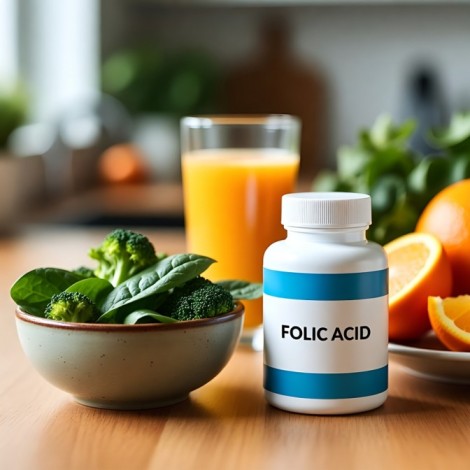
Folate is the natural form of vitamin B9 found in whole foods such as leafy green vegetables, beans, citrus fruits, and legumes.
Folic acid is the synthetic (man-made) version of vitamin B9 used in dietary supplements and added to enriched or fortified foods like cereals and breads.
Both serve the same basic role in the body — supporting vital functions like cellular growth and DNA synthesis — but they enter the body differently and are processed in slightly different ways.
🔍 Key Differences: Folate vs. Folic Acid
Here’s how they differ:
🥗 Natural vs. Synthetic
Folate is naturally occurring in food.
Folic acid is synthetic and found in supplements or fortified foods.
🔄 Absorption and Conversion
Folate from foods is more easily processed into the active form your body needs.
Folic acid must be converted by the liver and other tissues before it becomes active. This conversion can be slower, and unmetabolized folic acid can sometimes be detected in the bloodstream.
💪 Stability
Folate breaks down easily with heat and light, so cooking food can reduce its content.
Folic acid is more stable and maintains its potency in fortified foods and supplements.
🧠 Health Benefits of Folic Acid & Folate
Both folic acid and folate help your body in several essential ways:
✅ Supports Cell Growth & DNA Formation
Vitamin B9 is vital for creating DNA and new cells. This is especially important during times of rapid growth such as pregnancy, infancy, and adolescence.
❤️ Helps Prevent Anemia
Folate helps form healthy red blood cells, preventing a type of anemia (megaloblastic anemia) that causes fatigue and weakness.
🤰 Crucial During Pregnancy
Getting enough folate before and during early pregnancy significantly reduces the risk of neural tube defects — serious birth defects of the brain and spinal cord.
🧬 Supports Heart Health
Adequate folate intake helps regulate homocysteine levels — an amino acid linked to heart disease when elevated.
🧠 May Aid Brain Function
Some evidence suggests folate plays a role in maintaining cognitive function and mood, though more research is needed.
🥦 Best Food Sources of Folate
You can get natural folate through a variety of foods:
- Dark leafy greens (spinach, kale)
- Beans, lentils, and peas
- Citrus fruits and juices
- Avocado and broccoli
- Folic acid, on the other hand, is commonly found in:
- Fortified cereals and grain products
Dietary supplements (especially prenatal vitamins)
⚠️ Who Needs More Folate or Folic Acid?
- Some groups benefit from higher vitamin B9 intake:
- People planning pregnancy or who are pregnant
Individuals with certain digestive conditions that impair absorption
Those with very low dietary intake of folate
Supplements are often recommended when dietary intake isn’t sufficient. However, it’s important not to take excessive amounts without medical guidance.
❗ Important Notes About Supplements
Though generally safe, high doses of folic acid can sometimes mask vitamin B12 deficiency or interact with medications.
Some newer supplements contain methyl-folate (5-MTHF) — an active form of B9 that doesn’t require conversion — and may be useful for those with certain genetic differences.
🧠 Conclusion
Folic acid and folate are essential forms of vitamin B9 that support many aspects of health, especially cell growth, red blood cell formation, and fetal development. The main difference is that folate is natural and found in whole foods, while folic acid is synthetic and used in supplements and fortified products. Both can help you meet your daily B9 needs when consumed appropriately through diet and supplementation under professional guidance.