Introduction
Gallstones are hard deposits that form in the gallbladder and can cause pain, nausea, or infection if they block bile flow. When gallstones become symptomatic or lead to complications, doctors often recommend gallbladder removal surgery — medically known as cholecystectomy.
This guide will help you understand why surgery is done, how it works, what to prepare for, possible risks, recovery expectations, and lifestyle changes after surgery.
📌 What Is Gallbladder Surgery?
Gallbladder surgery, or cholecystectomy, is an operation to remove the gallbladder — a small organ located under the liver that stores bile, the digestive fluid that helps break down fats.
Most times the surgery is done because gallstones are causing pain or other issues, and simply removing the gallbladder is the most effective long-term solution
This guide will help you understand why surgery is done, how it works, what to prepare for, possible risks, recovery expectations, and lifestyle changes after surgery.
🧠 Why Is Gallbladder Surgery Needed?
Doctors may recommend surgery if you have:
- Pain from gallstones (especially in right upper abdomen)
- Frequent gallstone attacks
- Gallbladder inflammation (cholecystitis)
- Blocked bile ducts or infection
- Pancreatitis caused by gallstones
Large gallbladder polyps or concern for cancer may also be reasons for surgery. - Most times the surgery is done because gallstones are causing pain or other issues, and simply removing the gallbladder is the most effective long-term solution
This guide will help you understand why surgery is done, how it works, what to prepare for, possible risks, recovery expectations, and lifestyle changes after surgery.
⚠️ Symptoms of Gallstones or Gallbladder Problems
Gallstones can sometimes be silent, but if they cause problems you may notice:
Severe right-upper abdominal pain (often after fatty meals)
Pain radiating to back or shoulder
Nausea and vomiting
Bloating, gas, heartburn
Fever or chills (infection)
Yellowing of skin or eyes (jaundice)
🔍 Types of Gallbladder Surgery
🩹 1. Laparoscopic Cholecystectomy
Most common and minimally invasive
Small incisions and a camera are used
Usually requires only a short hospital stay
Faster recovery time, often within 1–2 weeks
🔪 2. Open Cholecystectomy
Larger incision required
Used when laparoscopic surgery isn’t safe (scar tissue, complications)
Longer hospital stay and recovery (4–6+ weeks)
🩺 How to Prepare for Surgery
Before your surgery:
Avoid eating or drinking after midnight before the procedure
Tell your surgeon about all medications and supplements
Stop certain medicines as instructed (e.g., blood thinners)
Arrange for a friend or family member to drive you home after surgery
🩹 What Happens During Surgery
Gallbladder surgery is done under general anesthesia so you don’t feel pain during the operation.
Laparoscopic approach:
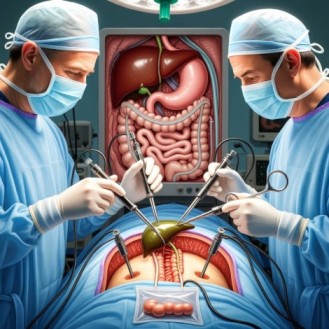
The surgeon makes small incisions, inflates the abdomen with gas, inserts a tiny camera, and removes the gallbladder with special instruments.
Open surgery:
A larger incision is made below the ribs, and the gallbladder is removed directly. This is done if laparoscopic is not possible or safe.
🛌 After Surgery: Recovery & Hospital Stay
Laparoscopic: Many people go home the same day or next day. Full recovery takes about 1–2 weeks.
Open: Hospital stay of 2–3 days, with 6–8 weeks to full recovery.
You may feel tired, have some shoulder pain (from gas used during surgery), or mild bloating — these are normal and should improve with time
🍽️ Diet & Lifestyle After Gallbladder Surgery
You can live normally without a gallbladder. Your liver will send bile directly into the intestine which usually works fine for digestion. Some people may:
Have loose stools or diarrhea temporarily
Find fatty or spicy foods harder to digest at first
Tips:
Start with bland, low-fat foods
Eat smaller and more frequent meals
Slowly reintroduce normal foods
⚠️ Possible Risks and Complications
As with any surgery, there are risks — though serious ones are rare:
Bleeding
Infection
Injury to the bile ducts
Bile leakage
Deep vein clots
Post-cholecystectomy syndrome — symptoms like abdominal discomfort or diarrhea after surgery
🤔 FAQs
❓ Is gallbladder surgery dangerous?
Cholecystectomy is considered very safe with modern techniques. Most people recover without major problems.
❓ Can you live without a gallbladder?
Yes — digestion continues normally for most people. The gallbladder isn’t essential to life.
❓ Will symptoms come back after surgery?
Gallstones won’t come back once the gallbladder is removed, but some people may still have digestive symptoms due to diet, stress, or other gut conditions.
🧠 Conclusion
Gallbladder surgery for gallstones is one of the most common and effective treatments when stones cause pain or complications. Most patients choose laparoscopic surgery today because it offers quicker recovery and fewer side effects. Knowing what to expect, how to prepare, and how to care for yourself afterward will help you through the process and support a smooth recovery.