Note: Before using any herbal supplement or treatment, always consult with a qualified doctor first.
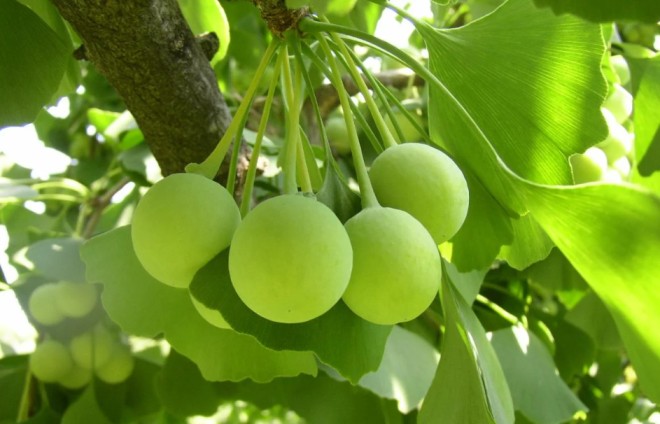
Ginkgo Biloba - Introduction
Ginkgo biloba — often simply referred to as ginkgo — is one of the oldest living tree species on Earth, sometimes called a “living fossil.” Over centuries, people have used extracts from its leaves (and sometimes seeds) for various health purposes. In recent decades, ginkgo biloba supplements have surged in popularity worldwide. But how much of the hype is backed by credible science, and what are the real benefits and risks? In this article we take an in-depth look at ginkgo biloba: what it is, how it works, what research shows — and what you should watch out for before using it.
What is Ginkgo biloba?
Ancient Origins:
Ginkgo biloba belongs to an ancient lineage of plants. Despite environmental changes and the extinction of many related species, ginkgo has survived — which is why it is often called a “living fossil.” Its resilience and longevity make it unique among trees.
Botanical Features :
The tree is known for its distinctive fan-shaped leaves and tolerance to pollution and urban conditions, making it a common ornamental species in gardens, parks, and cityscapes globally.
Forms Used :
Therapeutic products most often use the leaves — typically in extract form such as capsules, tablets, and teas. Raw leaves or seeds are usually not used due to safety concerns.
Active Compounds :
The main biologically active components in ginkgo biloba extracts are flavonoids and terpene lactones (including ginkgolides and bilobalide). These compounds are believed to contribute to its antioxidant, vascular, and neuroprotective effects.
Claimed & Studied Benefits of Ginkgo biloba
1. Brain Health, Memory & Cognitive Function
- Antioxidant & Neuroprotective Effects:
Ginkgo’s compounds may help protect brain cells against oxidative stress — a factor believed to contribute to cognitive decline and neurodegenerative diseases. - Support for Dementia / Alzheimer’s :
Some studies suggest ginkgo extract may help with cognitive symptoms in people with dementia or mild cognitive impairment by improving blood flow and protecting neurons. - Mixed Evidence :
Large, high-quality studies have found that ginkgo supplements do not prevent dementia or Alzheimer’s. - Healthy Adults
Evidence for memory or attention improvement in healthy adults is inconsistent and generally weak.
Conclusion :
Ginkgo may offer limited neuroprotective or symptomatic benefits in certain cognitive conditions, but it is not a guaranteed memory enhancer.
2. Circulation, Vascular Health & Peripheral Conditions
- Improved Circulation:
Certain components in ginkgo may help widen blood vessels and improve blood flow, potentially benefiting the brain, limbs, and other organs. - Peripheral Artery Disease / Claudication :
Some trials have found modest improvement in walking distance and reduced leg pain due to improved circulation. - Mixed Results :
Not all studies confirm these effects, and improvements tend to be small.
Conclusion :
Ginkgo may offer some modest benefit for circulation-related conditions but should not replace medical treatment.
3. Mental Health — Anxiety, Mood, Depression, Stress
Some research suggests ginkgo may help reduce symptoms of anxiety or depression due to its antioxidant and neuromodulatory effects. However, evidence is limited, and it should not be considered a primary treatment for mental health conditions.
4. Other Claimed Uses (Respiratory, Eye Health, etc.)
- Respiratory Issues :
Historically used for asthma and respiratory discomfort. Modern studies show possible benefits for reducing airway inflammation, but evidence is still too limited. - Eye Health :
There are claims that ginkgo supports eye health, such as in glaucoma, but scientific proof remains insufficient.
Risks, Side Effects & Who Should Avoid Ginkgo
- Common Side Effects :
Headache, stomach upset, dizziness, skin reactions, heart palpitations, and digestive issues. - Bleeding Risk :
Ginkgo may increase bleeding risk because it affects platelet function. This is especially dangerous for people using blood thinners, those with bleeding disorders, or individuals preparing for surgery. - Toxicity of Seeds :
Raw or roasted ginkgo seeds can be poisonous and may cause seizures or other severe reactions.
Not Safe For Everyone
Ginkgo is generally not recommended for:
- Pregnant or breastfeeding women
- Children
- People with bleeding disorders
- People on certain medications (blood thinners, antidepressants, anticonvulsants, diabetes medications, NSAIDs)
- Drug Interactions
Ginkgo may interact with many medicines, so medical advice is essential.
Typical Dosage & Forms
Ginkgo biloba is available as:
- Capsules
- Tablets
- Standardized leaf extracts
- Liquid extracts
- Dried leaf teas
Clinical studies usually use 120–240 mg per day, often in divided doses.
Standardized extracts (with specific amounts of active compounds) are more reliable than raw leaves or non-standardized herbal mixtures.
Should You Use Ginkgo biloba?
Consider these before using it:
Your Goal :
For serious health conditions, ginkgo should not replace medical treatment. It may offer mild support at best.
Your Health Status :
Healthy adults not taking interacting medications have a lower risk of side effects.
Consult a Doctor :
Especially important if you use any medications.
Product Quality :
Choose standardized extracts from reputable brands.
Dosage :
Stick to research-backed doses (120–240 mg/day). Higher doses do not mean better results.
Summary & Conclusion
Ginkgo biloba is a remarkable ancient tree with extracts used for various health purposes. Science supports some benefits — particularly related to circulation and mild cognitive issues — but effects are usually modest and not guaranteed.
It is not a miracle supplement, and it carries risks such as bleeding, drug interactions, and toxicity from raw plant parts. Always use standardized products and seek medical advice before starting.
For memory, circulation, or general wellness, ginkgo may serve as a supportive option — but lifestyle practices like good sleep, exercise, and a balanced diet remain far more effective.