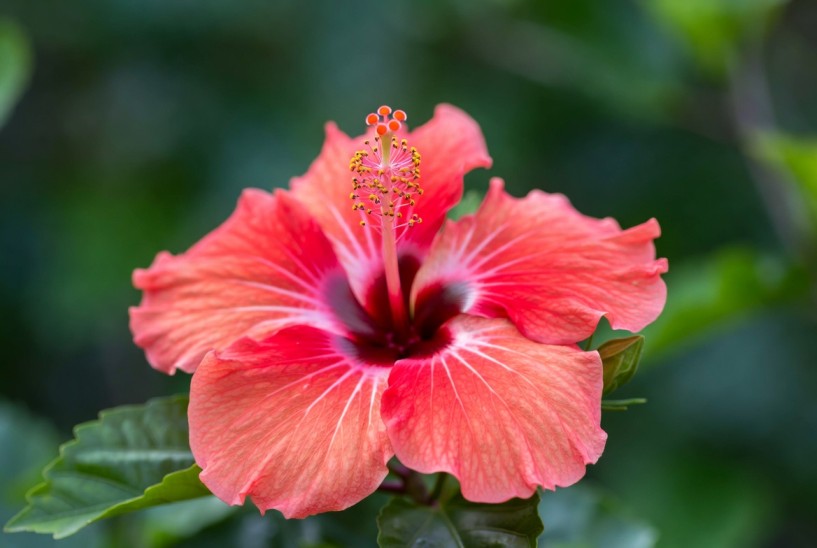
What Is Hibiscus?
Hibiscus refers to a group of flowering plants from the Hibiscus family. The most commonly used species for health and beauty is Hibiscus sabdariffa — popularly known as roselle or red sorrel. Its deep red petals contain antioxidants, vitamin C, flavonoids, and organic acids that give hibiscus its unique taste and health benefits.People around the world enjoy hibiscus in different forms: as tea, herbal infusions, jams, syrups, skincare extracts, and topical remedies
🧠 Nutritional and Phytochemical Profile
Hibiscus petals and leaves contain:
Vitamin C — essential for collagen and immunity.
Anthocyanins — powerful antioxidants responsible for the red color and anti‑aging properties.
Flavonoids (quercetin, kaempferol) — reduce inflammation and protect cells.
Organic acids (citric, malic) — help digestion and natural exfoliation.
Amino acids — support hair growth and structure.
🫖Hibiscus Tea: Health Benefits & How to Prepare
One of the most popular ways to consume hibiscus is by brewing it into tea — enjoyed hot or cold.
Health Benefits of Hibiscus Tea
Boosts immunity due to vitamin C and antioxidants.
Helps digestion & reduces bloating. Its natural fruit acids have a gentle digestive effect.
May help lower blood pressure and cholesterol. Hibiscus tea is studied for cardiovascular benefits like reducing high blood pressure and improving cholesterol levels.
Natural hydration & detoxification. The tea supports hydration and helps flush out toxins.
How to Make Hibiscus Tea
Hot Tea
Boil water.
Add 1–2 tsp dried hibiscus petals.
Steep 5–10 minutes.
Strain and enjoy with honey or lemon.
Cold Hibiscus Infusion (Sun Tea)
Add hibiscus to cold water in a jar.
Let sit in sunlight 2–6 hours.
Strain and serve chilled.
💁♀️ Hibiscus for Hair: Grow Stronger & Shinier Hair
Hibiscus isn’t just beautiful — it’s a natural hair‑care powerhouse too. The nutrients in hibiscus, including vitamins and amino acids, nourish the scalp and support healthier hair growth. Regular use can help strengthen hair strands, reduce breakage, and improve overall hair texture.
Hibiscus can also enhance shine and softness, acting as a natural conditioner. It can help soothe a dry scalp and may contribute to preventing dandruff and dryness. Some people also use hibiscus to help delay premature greying of hair due to its antioxidant properties.
There are many ways to use hibiscus in your hair care routine. A hibiscus hair mask can be made by blending fresh hibiscus petals and mixing them with coconut oil or yogurt. This mixture is applied to the scalp and hair for about 30 minutes before rinsing. A hibiscus water rinse involves boiling the petals in water, cooling the infusion, and using it as a final rinse to add shine and smoothness to the hair.
💆♀️ Hibiscus for Skin: Benefits & Uses
Hibiscus is often called “nature’s botox” because its natural compounds help support healthier, more youthful‑looking skin. Its high antioxidant content helps protect skin from environmental stress and supports elasticity, which may reduce the appearance of fine lines and wrinkles.
Hibiscus contains natural acids called alpha‑hydroxy acids (AHAs) that gently exfoliate the skin by removing dead skin cells and promoting cell renewal. This natural exfoliation can help reveal smoother, brighter skin over time. The flower also helps hydrate and moisturize the skin, keeping it soft and supple.
Because of its skin‑friendly properties, hibiscus can help even out skin tone and reduce pigmentation or redness. Its anti‑inflammatory and antimicrobial qualities may also aid in controlling acne and calming irritated skin.
Many people enjoy using hibiscus in DIY skincare treatments at home. A hibiscus face toner can be made by brewing strong hibiscus tea, letting it cool, and then using it as a refreshing mist. A hibiscus exfoliating mask is created by combining dried hibiscus powder with a natural base like yogurt and applying it to the face for 10–15 minutes before rinsing with lukewarm water.
🍽️ Culinary Uses of Hibiscus
Hibiscus isn’t just for beauty — it’s also popular in food and beverages. Its tart, refreshing flavor makes it an excellent base for teas and cold drinks. Hibiscus petals are also used to make jams and jellies, thanks to their natural pectin, and they can be incorporated into desserts and sauces to add color and tang.
⚕️ Hibiscus and Women’s Health
Hibiscus may offer benefits beyond beauty and culinary uses. It is rich in vitamin C, which can help support iron absorption — particularly useful for women who are prone to anemia. The organic acids in hibiscus can support digestion and help maintain overall wellness. In some traditional practices, hibiscus has been used to support hormonal balance and general female health.
⚖️ Safety, Side Effects & Interactions
Hibiscus is generally safe for most people when used in moderation. However, some individuals may experience mild side effects such as stomach upset or bloating when consumed. When applied topically, it’s a good idea to perform a patch test first to check for any allergic reaction or irritation. Hibiscus may also interact with certain medications, especially those for blood pressure or blood sugar, so consulting a healthcare professional is recommended if you are on medication.
🌱 Growing & Storing Hibiscus
Hibiscus plants thrive in warm, sunny environments with good soil drainage. They can be grown in pots or garden beds and pruned regularly to encourage more blooms. To store hibiscus for long‑term use, dry the petals thoroughly and keep them in a cool, airtight container away from direct sunlight. Properly dried hibiscus can last for months while retaining its color and benefits.
🧠 Quick Tips & Best Practices
For best results, drink hibiscus tea 1–2 cups daily and use fresh ingredients in homemade skincare treatments to maximize their potency. Always patch‑test topical preparations before widespread use to avoid irritation, especially if you have sensitive skin.
🏁 Conclusion
Hibiscus is a versatile, natural botanical with benefits that extend beyond beauty. From promoting healthier skin and stronger hair to providing refreshing drinks and culinary delights, this flower offers timeless value supported by both traditional use and modern interest. Whether you enjoy it as tea, a face treatment, a hair mask, or in the kitchen, hibiscus can be a wonderful addition to your daily routine.
Geometry Dash — Rhythm-platforming at full throttle: tap to the beat, thread spike gauntlets, and memorize cycles until every jump feels automatic. Consistency and calm inputs win the day. Challenge: 100% on a hard level—show the proof.