“Before starting Moringa (or any herbal supplement), please consult a qualified doctor to ensure it is safe for your health conditions and won’t interfere with any medications.”
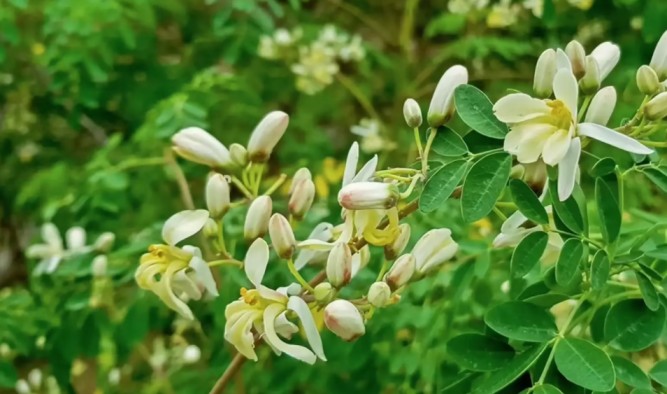
Introduction: Why Moringa Is Called a “Miracle Tree”
Moringa oleifera — commonly called moringa — is a fast‑growing, drought‑resistant tree native to South Asia (including regions like Pakistan, India, etc.), now cultivated widely in many parts of the world including our own region. Almost every part of the tree — leaves, pods, seeds, flowers — is edible or usable in some form, which makes moringa uniquely versatile compared to many other plants.
People often refer to moringa as a “superfood” or “miracle tree,” because its leaves (fresh or dried) and other parts are densely packed with nutrients. For communities with limited access to a diverse diet, moringa can provide a low‑cost, sustainable source of essential vitamins, minerals, protein and antioxidants.
Given the growing interest in natural and organic living, especially in places like Karachi — where you have a strong interest in homemade and natural products — moringa holds significant promise not only as a nutritional supplement but also as a natural ingredient with many potential uses.
Nutritional Profile — What Moringa Offers
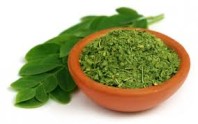
The leaves of moringa (fresh or dried) are particularly rich in a wide spectrum of nutrients. Its nutrient composition includes proteins, vitamins, minerals, antioxidants, dietary fiber, and more.
Key Nutrients & Their Significance
Proteins & Amino Acids:
Moringa leaves are a good plant-based source of protein, making them useful for vegetarians or anyone needing to supplement diets low in animal protein.
Vitamins
- Vitamin A (beta-carotene):
Supports eye health, skin, and immunity. - Vitamin C:
Strengthens the immune system, enhances iron absorption, and provides antioxidant protection. - B-Vitamins (B1, B2, B3, B6, folate, etc.):
Crucial for energy metabolism, nervous system function, and overall cellular health. - Vitamin E and other antioxidants:
Help protect the body against oxidative stress and free-radical damage.
Minerals
- Calcium:
Essential for strong bones and teeth. - Iron:
Important for blood health, energy, and preventing anemia. - Potassium, Magnesium, Zinc, and other trace minerals:
Support nerve transmission, muscle function, immune health, and various metabolic processes. - Antioxidants & Phytonutrients
- Moringa contains flavonoids, phenolics, carotenoids, and other bioactive compounds that help neutralize free radicals, reduce oxidative stress, and contribute to long-term health benefits.
Fiber & Healthy Macronutrients
Moringa leaves offer dietary fiber for digestion, along with a nourishing balance of carbohydrates, proteins, and small amounts of healthy fats.
Because of this nutrient-dense profile, moringa is a powerful addition to daily meals—especially for diets lacking variety or for individuals wanting to enhance overall nutrition without relying solely on expensive foods or supplements.
Potential Health Benefits of Moringa
Due to its rich nutrient and antioxidant content, moringa is associated with multiple potential health benefits. While not all are conclusively proven, many studies and traditional uses highlight its promise in the following areas:
Antioxidant & Anti‑Inflammatory Effects
Moringa leaves contain antioxidant compounds and anti‑inflammatory phytochemicals that help neutralize harmful free radicals in the body. This protective effect may contribute to reducing oxidative stress, which is linked to chronic illnesses such as heart disease, diabetes, and degenerative conditions.Nutrient Supplementation & Combating Malnutrition
Because moringa is rich in vitamins, minerals, proteins, and other nutrients, it can be used as a natural supplement to improve nutrition — especially helpful in communities or households with limited access to a variety of foods. Regular use can help address deficiencies such as low iron, calcium, or protein intake.Support for Blood Sugar & Metabolic Health
Some evidence suggests that moringa leaf extracts or powders may help in regulating blood sugar levels and improving glucose metabolism. This could have implications for managing or preventing diabetes, particularly in diets prone to high carbohydrate intake.Heart Health and Cholesterol / Lipid Profile
Moringa may help improve cardiovascular health by supporting healthy lipid profiles, potentially lowering harmful cholesterol and triglycerides while supporting beneficial cholesterol levels — when used as part of a balanced lifestyle.Immune Support, General Wellness & Vitality
The combination of vitamins, minerals, proteins, and antioxidants in moringa supports general immune function. It may help maintain healthy skin, bones, and organ function, and contribute to overall energy levels and resilience — which is particularly helpful for people with busy lifestyles or limited dietary variety.
How to Use Moringa — Practical Ideas & Traditional Uses
Moringa is versatile and can be used in multiple ways depending on what’s available and convenient:
Fresh leaves cooked as a vegetable — like spinach or other leafy greens.
Leaves dried and ground into powder — added to bread dough (roti/paratha), soups, salads, yogurt, or buttermilk.
As herbal tea — dry leaves steeped in hot water (optionally with lemon or honey).
Mixed in smoothies or shakes — a teaspoon of moringa powder gives a nutritional boost.
Occasionally seeds or pods, if available and properly prepared — though leaves are the most commonly used and studied part.
Because moringa adapts well to warm and dry climates, it can be grown in home gardens (where climate permits), offering a low‑cost, sustainable source of nutrition.
Cautions, Limitations & What to Know
While many benefits are promising, not all claims are conclusively proven. Some beneficial effects — such as for blood sugar control or heart disease prevention — are still under investigation. Moringa should not be seen as a “miracle cure.”
Moringa leaves may contain antinutrients that can interfere with absorption of some minerals; thus, nutrient intake and absorption may vary depending on diet and preparation.
As with any supplement or potent food, moderation matters. Excessive intake — especially via concentrated powders or extracts — may cause digestive issues or interact adversely with certain health conditions or medications.
Avoid relying solely on moringa for nutrition. It works best as a supplement to a balanced diet, not as a replacement.