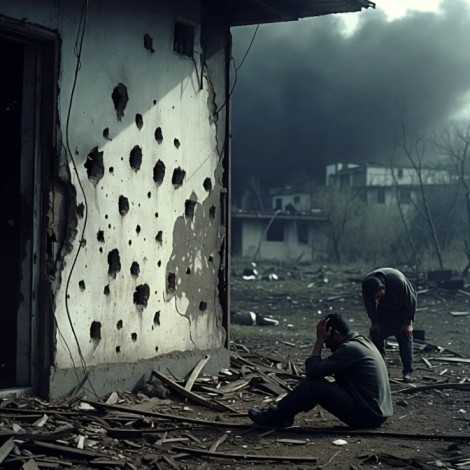
War is one of the most devastating experiences that human beings can face. Beyond physical destruction, the psychological effects of war on human health can leave deep emotional scars that last for decades. War affects not only soldiers but also civilians, children, and refugees who experience violence, displacement, and loss.
The psychological effects of war on human health include trauma, anxiety, depression, and post-traumatic stress disorder (PTSD). These mental health conditions often persist long after the war ends, affecting people’s ability to live normal lives.
Understanding the psychological effects of war on human health is essential because millions of people around the world continue to suffer from these invisible wounds.
1. Post-Traumatic Stress Disorder (PTSD)
One of the most serious psychological effects of war on human health is Post-Traumatic Stress Disorder (PTSD). This condition occurs when individuals experience or witness traumatic events such as explosions, shootings, or the loss of loved ones.
PTSD symptoms include:
Flashbacks of traumatic events
Nightmares
Severe anxiety
Emotional numbness
Difficulty concentrating
For soldiers returning from combat zones, PTSD can significantly affect their daily lives. Similarly, civilians living in war-affected regions often develop PTSD due to continuous exposure to violence.
Among the many psychological effects of war on human health, PTSD is one of the most widely studied and recognized mental health disorders.
2. Anxiety and Constant Fear
War creates an environment of constant danger. People living in conflict zones are often exposed to daily threats such as bombings and armed attacks. As a result, another major psychological effects of war on human health is chronic anxiety.
Individuals affected by war frequently experience:
Constant fear
Panic attacks
Hypervigilance
Difficulty relaxing
These symptoms occur because the human brain becomes conditioned to remain alert in dangerous situations. Even after the war ends, these psychological effects of war on human health may continue for years.
3. Depression and Emotional Trauma
Depression is another common consequence of war. The loss of family members, homes, and communities can lead to deep emotional pain.
People suffering from depression may experience:
Persistent sadness
Loss of motivation
Fatigue
Hopelessness
Among the many psychological effects of war on human health, depression often goes untreated because mental health services are limited in war-affected regions.
The long-term psychological effects of war on human health can worsen when depression is combined with poverty, displacement, and social isolation.
4. Psychological Trauma in Children
Children are among the most vulnerable victims of armed conflict. Exposure to violence can disrupt their emotional and psychological development.
Children exposed to war may experience:
Nightmares
Behavioral changes
Difficulty concentrating in school
Emotional withdrawal
These childhood experiences contribute to long-term psychological effects of war on human health, which can continue into adulthood.
Protecting children from trauma is essential to reduce the psychological effects of war on human health in future generations.
5. Social Isolation and Loss of Community
War often destroys communities and social support systems. Families may be separated, neighborhoods destroyed, and people forced to flee their homes.
This breakdown of social structures can lead to social isolation, which further worsens mental health problems.
Humans rely heavily on social connections for emotional support. When those connections disappear, people may experience:
Loneliness
Emotional withdrawal
Loss of identity
Increased risk of depression
Rebuilding communities after war is essential for improving the psychological wellbeing of survivors.
6. Sleep Disorders and Chronic Stress
Sleep problems are extremely common among people who have experienced war. Trauma affects the brain’s stress response system, making it difficult for survivors to relax or feel safe.
Common sleep-related issues include:
Insomnia
Nightmares
Interrupted sleep
Sleep anxiety
Chronic stress caused by war can also lead to physical health problems such as:
High blood pressure
weakened immune system
cardiovascular disease
Mental health experts emphasize that untreated trauma can lead to long-term health complications if psychological support is not provided.
7. Long-Term Psychological Impact
One of the most concerning aspects of war trauma is its long-term psychological impact. Even after the conflict ends, many survivors continue to suffer from emotional and mental health problems.
Long-term effects may include:
Persistent PTSD
Chronic depression
Substance abuse
Difficulty maintaining relationships
Reduced quality of life
Studies show that trauma exposure during war can affect mental health for decades, particularly among people who experienced displacement or loss.
In some cases, trauma can even affect future generations through intergenerational stress and family instability.
Why Mental Health Support Is Essential After War
Mental health care is critical for people affected by war. Psychological treatment can help survivors recover from trauma and rebuild their lives.
Effective support strategies include:
Trauma-focused therapy
Community support programs
Psychological counseling
Social reintegration programs
International organizations and healthcare systems increasingly recognize that mental health support must be a central part of humanitarian response efforts.
Without proper mental health care, the psychological scars of war can persist for generations.
Conclusion
War does far more than destroy buildings and infrastructure—it deeply affects the human mind. The psychological effects of war on human health include PTSD, anxiety, depression, childhood trauma, sleep disorders, social isolation, and long-term mental health challenges.
Millions of people worldwide continue to suffer from these invisible wounds long after conflicts end. Understanding the mental health consequences of war is essential for providing effective support and helping survivors heal.
By investing in mental health care, community rebuilding, and trauma recovery programs, societies can help war survivors regain stability and hope for the future.