fallego

General topics

Moringa
Nutritionist, General topics

Moringa – A “Miracle Tree” for Nutrition, Health, and More

“Before starting Moringa (or any herbal supplement), please consult a qualified doctor to ensure it is safe for your health conditions and won’t interfere with any medications.” Book Appointment with doctor to know more Moringa oleifera — commonly known simply as moringa Introduction: Why Moringa Is Called a “Miracle Tree” Moringa oleifera — commonly called moringa — is a fast‑growing, drought‑resistant tree native to South Asia (including regions like Pakistan, India, etc.), now cultivated widely in many parts of the world including our own region. Almost every part of the tree — leaves, pods, seeds, flowers — is edible or usable in some form, which makes moringa uniquely versatile compared to many other plants. People often refer to moringa as a “superfood” or “miracle tree,” because its leaves (fresh or dried) and other parts are densely packed with nutrients. For communities with limited access to a diverse diet, moringa can provide a low‑cost, sustainable source of essential vitamins, minerals, protein and antioxidants. Given the growing interest in natural and organic living, especially in places like Karachi — where you have a strong interest in homemade and natural products — moringa holds significant promise not only as a nutritional supplement but also as a natural ingredient with many potential uses. Nutritional Profile — What Moringa Offers The leaves of moringa (fresh or dried) are particularly rich in a wide spectrum of nutrients. Its nutrient composition includes proteins, vitamins, minerals, antioxidants, dietary fiber, and more. Key Nutrients & Their Significance Proteins & Amino Acids:Moringa leaves are a good plant-based source of protein, making them useful for vegetarians or anyone needing to supplement diets low in animal protein. Vitamins Vitamin A (beta-carotene):Supports eye health, skin, and immunity. Vitamin C:Strengthens the immune system, enhances iron absorption, and provides antioxidant protection. B-Vitamins (B1, B2, B3, B6, folate, etc.):Crucial for energy metabolism, nervous system function, and overall cellular health. Vitamin E and other antioxidants:Help protect the body against oxidative stress and free-radical damage. Minerals Calcium:Essential for strong bones and teeth. Iron:Important for blood health, energy, and preventing anemia. Potassium, Magnesium, Zinc, and other trace minerals:Support nerve transmission, muscle function, immune health, and various metabolic processes. Antioxidants & Phytonutrients Moringa contains flavonoids, phenolics, carotenoids, and other bioactive compounds that help neutralize free radicals, reduce oxidative stress, and contribute to long-term health benefits. Fiber & Healthy Macronutrients Moringa leaves offer dietary fiber for digestion, along with a nourishing balance of carbohydrates, proteins, and small amounts of healthy fats. Because of this nutrient-dense profile, moringa is a powerful addition to daily meals—especially for diets lacking variety or for individuals wanting to enhance overall nutrition without relying solely on expensive foods or supplements. Potential Health Benefits of Moringa Due to its rich nutrient and antioxidant content, moringa is associated with multiple potential health benefits. While not all are conclusively proven, many studies and traditional uses highlight its promise in the following areas: Antioxidant & Anti‑Inflammatory EffectsMoringa leaves contain antioxidant compounds and anti‑inflammatory phytochemicals that help neutralize harmful free radicals in the body. This protective effect may contribute to reducing oxidative stress, which is linked to chronic illnesses such as heart disease, diabetes, and degenerative conditions. Nutrient Supplementation & Combating MalnutritionBecause moringa is rich in vitamins, minerals, proteins, and other nutrients, it can be used as a natural supplement to improve nutrition — especially helpful in communities or households with limited access to a variety of foods. Regular use can help address deficiencies such as low iron, calcium, or protein intake. Support for Blood Sugar & Metabolic HealthSome evidence suggests that moringa leaf extracts or powders may help in regulating blood sugar levels and improving glucose metabolism. This could have implications for managing or preventing diabetes, particularly in diets prone to high carbohydrate intake. Heart Health and Cholesterol / Lipid ProfileMoringa may help improve cardiovascular health by supporting healthy lipid profiles, potentially lowering harmful cholesterol and triglycerides while supporting beneficial cholesterol levels — when used as part of a balanced lifestyle. Immune Support, General Wellness & VitalityThe combination of vitamins, minerals, proteins, and antioxidants in moringa supports general immune function. It may help maintain healthy skin, bones, and organ function, and contribute to overall energy levels and resilience — which is particularly helpful for people with busy lifestyles or limited dietary variety. How to Use Moringa — Practical Ideas & Traditional Uses Moringa is versatile and can be used in multiple ways depending on what’s available and convenient: Fresh leaves cooked as a vegetable — like spinach or other leafy greens. Leaves dried and ground into powder — added to bread dough (roti/paratha), soups, salads, yogurt, or buttermilk. As herbal tea — dry leaves steeped in hot water (optionally with lemon or honey). Mixed in smoothies or shakes — a teaspoon of moringa powder gives a nutritional boost. Occasionally seeds or pods, if available and properly prepared — though leaves are the most commonly used and studied part. Because moringa adapts well to warm and dry climates, it can be grown in home gardens (where climate permits), offering a low‑cost, sustainable source of nutrition. Cautions, Limitations & What to Know While many benefits are promising, not all claims are conclusively proven. Some beneficial effects — such as for blood sugar control or heart disease prevention — are still under investigation. Moringa should not be seen as a “miracle cure.” Moringa leaves may contain antinutrients that can interfere with absorption of some minerals; thus, nutrient intake and absorption may vary depending on diet and preparation. As with any supplement or potent food, moderation matters. Excessive intake — especially via concentrated powders or extracts — may cause digestive issues or interact adversely with certain health conditions or medications. Avoid relying solely on moringa for nutrition. It works best as a supplement to a balanced diet, not as a replacement.

ginkgo (ginkgo biloba)
Blog, General topics, Life Changing

Ginkgo biloba: Benefits, Risks & How It Works (Complete Guide)

Note: Before using any herbal supplement or treatment, always consult with a qualified doctor first. Book Online Consultation Ginkgo Biloba – Introduction Ginkgo biloba — often simply referred to as ginkgo — is one of the oldest living tree species on Earth, sometimes called a “living fossil.” Over centuries, people have used extracts from its leaves (and sometimes seeds) for various health purposes. In recent decades, ginkgo biloba supplements have surged in popularity worldwide. But how much of the hype is backed by credible science, and what are the real benefits and risks? In this article we take an in-depth look at ginkgo biloba: what it is, how it works, what research shows — and what you should watch out for before using it. What is Ginkgo biloba? Ancient Origins: Ginkgo biloba belongs to an ancient lineage of plants. Despite environmental changes and the extinction of many related species, ginkgo has survived — which is why it is often called a “living fossil.” Its resilience and longevity make it unique among trees. Botanical Features :The tree is known for its distinctive fan-shaped leaves and tolerance to pollution and urban conditions, making it a common ornamental species in gardens, parks, and cityscapes globally. Forms Used :Therapeutic products most often use the leaves — typically in extract form such as capsules, tablets, and teas. Raw leaves or seeds are usually not used due to safety concerns. Active Compounds :The main biologically active components in ginkgo biloba extracts are flavonoids and terpene lactones (including ginkgolides and bilobalide). These compounds are believed to contribute to its antioxidant, vascular, and neuroprotective effects. Claimed & Studied Benefits of Ginkgo biloba 1. Brain Health, Memory & Cognitive Function Antioxidant & Neuroprotective Effects: Ginkgo’s compounds may help protect brain cells against oxidative stress — a factor believed to contribute to cognitive decline and neurodegenerative diseases. Support for Dementia / Alzheimer’s : Some studies suggest ginkgo extract may help with cognitive symptoms in people with dementia or mild cognitive impairment by improving blood flow and protecting neurons. Mixed Evidence : Large, high-quality studies have found that ginkgo supplements do not prevent dementia or Alzheimer’s. Healthy Adults Evidence for memory or attention improvement in healthy adults is inconsistent and generally weak. Conclusion : Ginkgo may offer limited neuroprotective or symptomatic benefits in certain cognitive conditions, but it is not a guaranteed memory enhancer. 2. Circulation, Vascular Health & Peripheral Conditions Improved Circulation: Certain components in ginkgo may help widen blood vessels and improve blood flow, potentially benefiting the brain, limbs, and other organs. Peripheral Artery Disease / Claudication : Some trials have found modest improvement in walking distance and reduced leg pain due to improved circulation. Mixed Results : Not all studies confirm these effects, and improvements tend to be small. Conclusion : Ginkgo may offer some modest benefit for circulation-related conditions but should not replace medical treatment. 3. Mental Health — Anxiety, Mood, Depression, Stress Some research suggests ginkgo may help reduce symptoms of anxiety or depression due to its antioxidant and neuromodulatory effects. However, evidence is limited, and it should not be considered a primary treatment for mental health conditions.   4. Other Claimed Uses (Respiratory, Eye Health, etc.) Respiratory Issues : Historically used for asthma and respiratory discomfort. Modern studies show possible benefits for reducing airway inflammation, but evidence is still too limited. Eye Health : There are claims that ginkgo supports eye health, such as in glaucoma, but scientific proof remains insufficient. Risks, Side Effects & Who Should Avoid Ginkgo Common Side Effects : Headache, stomach upset, dizziness, skin reactions, heart palpitations, and digestive issues. Bleeding Risk : Ginkgo may increase bleeding risk because it affects platelet function. This is especially dangerous for people using blood thinners, those with bleeding disorders, or individuals preparing for surgery. Toxicity of Seeds : Raw or roasted ginkgo seeds can be poisonous and may cause seizures or other severe reactions.    Not Safe For Everyone Ginkgo is generally not recommended for: Pregnant or breastfeeding women Children People with bleeding disorders People on certain medications (blood thinners, antidepressants, anticonvulsants, diabetes medications, NSAIDs) Drug InteractionsGinkgo may interact with many medicines, so medical advice is essential. Typical Dosage & Forms Ginkgo biloba is available as: Capsules Tablets Standardized leaf extracts Liquid extracts Dried leaf teas Clinical studies usually use 120–240 mg per day, often in divided doses. Standardized extracts (with specific amounts of active compounds) are more reliable than raw leaves or non-standardized herbal mixtures.   Should You Use Ginkgo biloba? Consider these before using it: Your Goal : For serious health conditions, ginkgo should not replace medical treatment. It may offer mild support at best. Your Health Status : Healthy adults not taking interacting medications have a lower risk of side effects. Consult a Doctor : Especially important if you use any medications. Product Quality : Choose standardized extracts from reputable brands. Dosage : Stick to research-backed doses (120–240 mg/day). Higher doses do not mean better results.   Summary & Conclusion Ginkgo biloba is a remarkable ancient tree with extracts used for various health purposes. Science supports some benefits — particularly related to circulation and mild cognitive issues — but effects are usually modest and not guaranteed. It is not a miracle supplement, and it carries risks such as bleeding, drug interactions, and toxicity from raw plant parts. Always use standardized products and seek medical advice before starting. For memory, circulation, or general wellness, ginkgo may serve as a supportive option — but lifestyle practices like good sleep, exercise, and a balanced diet remain far more effective.

Gut health
General topics, Blog

Gut Health & Microbiome: The Key to Overall Wellness.

Your gut is more than just a digestive organ,it’s a complex ecosystem that plays a crucial role in your overall health. The gut microbiome, a community of trillions of bacteria, viruses, and fungi, influences everything from digestion to immunity, mental health, and even chronic disease prevention. In this blog, we’ll explore the importance of gut health, how your microbiome affects your well-being, and practical tips to maintain a healthy gut. Why Is Gut Health Important? Research has shown that a balanced gut microbiome is essential for: Digestion & Nutrient Absorption – Beneficial bacteria help break down food, produce essential vitamins (like B12 and K), and enhance nutrient absorption. Immune Function – Nearly 70% of your immune system resides in your gut. A healthy microbiome helps fight pathogens and reduces inflammation. Mental Health (The Gut-Brain Axis) – The gut produces neurotransmitters like serotonin (90% of it is made in the gut!) and GABA, which influence mood and cognitive function. Weight Management – Certain gut bacteria are linked to metabolism and obesity. Disease Prevention – Imbalances in gut bacteria (dysbiosis) are associated with conditions like IBS, diabetes, heart disease, and autoimmune disorders. Signs of an Unhealthy Gut How do you know if your gut is out of balance? Watch for these symptoms: Bloating, gas, constipation, or diarrhea Frequent infections or weak immunity Food intolerances Unexplained weight changes Skin issues (eczema, acne) Mood swings, anxiety, or depression Chronic fatigue How to Improve Your Gut Health 1. Eat a Diverse, Fiber-Rich Diet Prebiotics (food for good bacteria): Garlic, onions, leeks, asparagus, bananas, oats. Probiotics (live beneficial bacteria): Yogurt, kefir, sauerkraut, kimchi, miso, kombucha. Polyphenol-rich foods: Berries, dark chocolate, green tea, red wine (in moderation). 2. Reduce Sugar & Processed Foods High sugar and artificial additives can feed harmful bacteria, leading to dysbiosis. 3. Stay Hydrated Water supports mucosal lining in the intestines, aiding digestion. 4. Manage Stress Chronic stress disrupts gut bacteria. Try meditation, yoga, or deep breathing exercises. 5. Get Enough Sleep Poor sleep alters gut bacteria, affecting metabolism and immunity. 6. Exercise Regularly Physical activity promotes microbial diversity. 7. Avoid Overuse of Antibiotics Antibiotics kill both bad and good bacteria—use them only when necessary. Final Thoughts Your gut microbiome is a vital player in your overall health. By making mindful dietary and lifestyle choices, you can nurture a thriving gut ecosystem, leading to better digestion, immunity, and even mental clarity. Want personalized advice? Consult a healthcare provider or nutritionist to optimize your gut health! References The Gut Microbiome and Its Role in Health – Nature Reviews Microbiologyhttps://www.nature.com/articles/nrmicro.2018.23 Gut-Brain Axis: How the Microbiome Influences Mental Health – Harvard Health Publishinghttps://www.health.harvard.edu/blog/gut-brain-connection-2018 Diet, Gut Microbiota, and Immune Responses – Frontiers in Immunologyhttps://www.frontiersin.org/articles/10.3389/fimmu.2018.00001 Probiotics and Prebiotics for Gut Health – Mayo Clinichttps://www.mayoclinic.org/healthy-lifestyle/consumer-health/expert-answers/probiotics/faq-20058065 Impact of Sleep on Gut Microbiome – Sleep Medicine Reviewshttps://www.sciencedirect.com/science/article/pii/S1087079217300962

Online Doctor Consultation
Blog, General topics

The Rise of Online Doctor Consultation: Benefits, Challenges, and How to Make the Most of Virtual Healthcare

The healthcare industry has undergone a significant transformation with the expansion of virtual healthcare services. Online doctor consultation has emerged as a convenient and efficient way for patients to access medical care from the comfort of their homes. Platforms like Fallego have been instrumental in this shift, providing reliable and user-friendly digital healthcare solutions. This article explores the advantages, challenges, and practical strategies for making the most of virtual healthcare services. Understanding Online Doctor Consultation Virtual healthcare allows patients to seek medical advice and treatment through digital platforms, such as video calls, phone consultations, or chat-based services. This approach connects individuals with licensed doctors and specialists without the need for in-person visits. Platforms like Fallego facilitate seamless consultations, catering to a wide range of medical needs, from common illnesses to chronic disease management and mental health support. Whether at home, at work, or traveling, patients can receive quality healthcare with ease. Additionally, virtual consultations help bridge the gap in healthcare access for people in rural or underserved areas, ensuring that more individuals receive timely medical attention. Advantages of Virtual Healthcare Convenience and Accessibility One of the key benefits of online consultations is the ability to access healthcare from anywhere. Patients no longer have to travel to clinics or endure long waiting times. This is especially beneficial for individuals in remote areas with limited healthcare facilities. For those with mobility issues or busy schedules, virtual consultations eliminate the barriers that often make it difficult to seek timely medical advice. Time and Cost Savings Virtual consultations eliminate the need for commuting and reduce wait times, making healthcare more efficient. Many digital platforms offer affordable consultation fees, ensuring accessibility for a broader audience. Since virtual healthcare reduces overhead costs for healthcare providers, these savings can often be passed on to patients in the form of lower fees. Furthermore, online doctor consultation minimizes the need for unnecessary emergency room visits, which can be costly. Patients with minor illnesses or non-urgent concerns can consult a doctor from home, saving both time and money while reducing the burden on hospitals and clinics. Access to a Wider Range of Specialists Patients can connect with specialists from different locations, breaking geographical barriers. Whether consulting a dermatologist, cardiologist, or mental health professional, virtual healthcare expands access to expert medical care. This is particularly beneficial for patients who require second opinions or expert consultations that may not be available locally. For example, someone living in a small town with limited healthcare resources can connect with a top specialist in a major city without having to travel long distances. This access to a diverse pool of medical professionals ensures that patients receive the best possible care tailored to their needs. Continuity of Care For those managing chronic conditions, regular follow-ups are essential. Online consultations enable consistent communication with doctors, ensuring timely adjustments to treatment plans. Patients can schedule follow-ups with ease, reducing the risk of missed appointments and ensuring better adherence to prescribed treatments. In addition, digital health records allow for better tracking of patient history, medication, and progress over time. This continuity of care leads to better health outcomes, particularly for individuals with conditions like diabetes, hypertension, and asthma. Challenges of Online Doctor Consultation While virtual healthcare offers numerous advantages, it also presents certain challenges: Technical Barriers Not all patients have reliable internet access or familiarity with digital platforms. For elderly individuals or those in low-income communities, using online consultation services may be challenging. Improving digital literacy and expanding internet accessibility can help address this issue. Limitations in Physical Examinations Some conditions require hands-on assessments, making in-person visits necessary in specific cases. For example, a doctor cannot perform a physical examination, such as checking for lumps, listening to lung sounds, or conducting a throat swab, through a virtual consultation. In such cases, online consultations can serve as a preliminary step before an in-person visit. Privacy and Security Concerns Protecting patient data is crucial. Platforms like Fallego prioritize security, but patients should always use trusted services. It’s essential to choose platforms that comply with healthcare data protection regulations, such as HIPAA (Health Insurance Portability and Accountability Act) or GDPR (General Data Protection Regulation), to ensure sensitive medical information remains secure. Regulatory and Licensing Variations Different regions have varying regulations for virtual healthcare, affecting cross-border consultations. Some countries have strict licensing laws that may prevent doctors from providing consultations outside their licensed region. Addressing these regulatory hurdles will be important in expanding access to online healthcare services globally. Maximizing the Benefits of Virtual Healthcare To ensure a smooth and effective online consultation experience, consider these tips: Preparation is Key Gather relevant medical history, symptoms, and necessary documents before the appointment. Choose a quiet, well-lit space for the consultation. Ensure a stable internet connection and test your device’s camera and microphone beforehand. Select a Trusted Platform Opt for reputable services like Fallego that provide certified doctors and secure digital healthcare solutions. Check patient reviews and platform credentials for reliability. Effective Communication Clearly describe symptoms and medical concerns. Ask questions to understand the diagnosis and treatment plan thoroughly. Be honest about medical history, medications, and any pre-existing conditions. Follow-Up and Feedback Schedule follow-up appointments when necessary. Provide feedback to enhance service quality for future users. Keep track of prescriptions and any medical advice given during the consultation. The Future of Virtual Healthcare The adoption of online doctor consultation has accelerated, particularly after the COVID-19 pandemic. As technology continues to evolve, future advancements may include AI-driven diagnostics and personalized treatment plans. Companies like Fallego are leading the way in making healthcare more accessible and efficient. The integration of wearable devices and remote monitoring tools will further enhance virtual healthcare by providing real-time patient data to doctors. Features like AI chatbots, automated symptom checkers, and machine learning algorithms will help streamline the consultation process and improve accuracy in diagnosing illnesses. A hybrid model combining virtual consultations with essential in-person visits may become the norm, ensuring comprehensive medical care for all. This model allows patients to

physiotherapy for chronic pain management
Blog, General topics

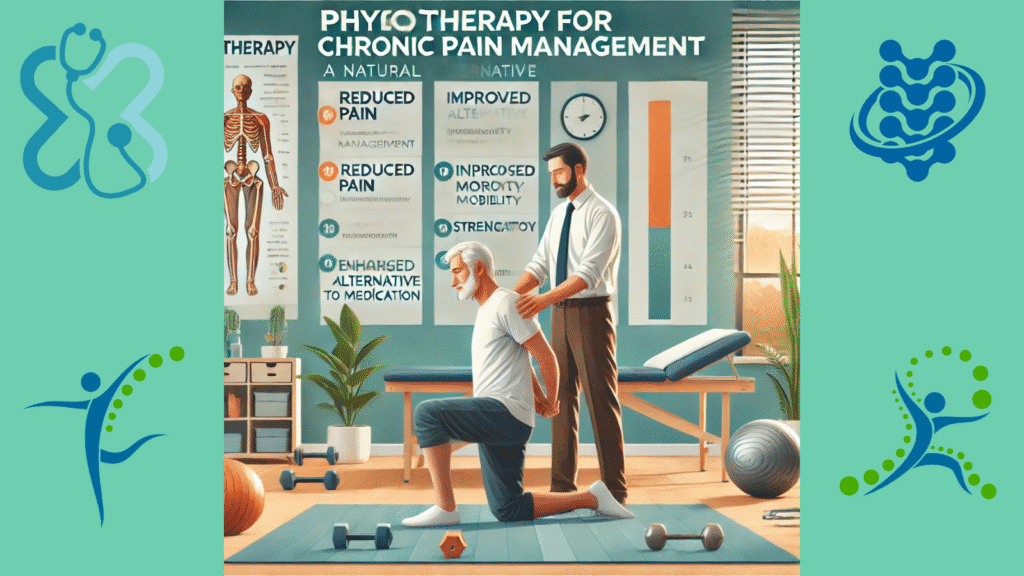
Physiotherapy for Chronic Pain Management: A Natural Alternative to Medication

Chronic pain is a widespread issue that affects millions of people worldwide, often stemming from conditions like arthritis, fibromyalgia, and chronic back pain. Unlike acute pain, which is temporary and usually resolves with healing, chronic pain persists for months or even years, significantly impacting quality of life. While medications like opioids and NSAIDs are commonly prescribed, they often come with risks such as side effects, dependency, and limited long-term effectiveness. This has led many to seek natural, non-invasive alternatives for pain management. One such approach is Physiotherapy, a holistic and evidence-based method that addresses the root causes of pain and empowers patients to take control of their recovery. Understanding Chronic Pain Chronic pain is defined as pain that lasts for more than three to six months, often continuing long after the initial injury or condition has healed. It can result from various conditions, including arthritis, fibromyalgia, nerve damage, or musculoskeletal issues like chronic back pain. Unlike acute pain, which serves as a warning signal, chronic pain can become a condition in itself, affecting physical, emotional, and social well-being. Managing chronic pain requires a comprehensive approach that goes beyond simply masking symptoms. Limitations of Medication for Chronic Pain Medications are often the first line of treatment for chronic pain. While they can provide temporary relief, they are not without drawbacks. Opioids, for example, carry a high risk of dependency and addiction, while long-term use of NSAIDs can lead to gastrointestinal issues or kidney problems. Additionally, medications often fail to address the underlying causes of pain, providing only short-term solutions. This has led to a growing interest in alternative therapies that offer sustainable, long-term relief without the risks associated with medication. How Physiotherapy Addresses Chronic Pain Physiotherapy takes a holistic approach to pain management, focusing on improving physical function, reducing pain, and enhancing overall quality of life. Unlike medication, which primarily targets symptoms, this therapy aims to address the root causes of pain through a combination of techniques tailored to the individual’s needs. By strengthening the body, improving mobility, and teaching self-management strategies, it helps patients regain control over their lives. Key Techniques for Chronic Pain Management Manual Therapy: Hands-on techniques like joint mobilization and soft tissue massage help reduce pain, improve circulation, and restore mobility. These methods are particularly effective for conditions like arthritis and chronic back pain. Exercise Therapy: Tailored exercises strengthen muscles, improve flexibility, and enhance overall function. For example, low-impact aerobic exercises can benefit fibromyalgia patients, while core-strengthening exercises are ideal for those with chronic back pain. Postural Training: Poor posture can exacerbate pain, especially in the back and neck. Therapists work with patients to correct posture and teach ergonomic principles, reducing strain on the body. Electrotherapy: Modalities like TENS (Transcutaneous Electrical Nerve Stimulation) use low-voltage electrical currents to block pain signals and provide relief. Education and Self-Management: Patients learn about pain management strategies, such as pacing activities, relaxation techniques, and lifestyle modifications, to manage their symptoms effectively. Managing Specific Chronic Pain Conditions Arthritis: This therapy helps reduce joint stiffness, improve range of motion, and strengthen surrounding muscles, making daily activities easier and less painful. Fibromyalgia: Gentle exercises, relaxation techniques, and pacing strategies help manage widespread pain and fatigue, improving overall function. Chronic Back Pain: Core-strengthening exercises, stretching, and ergonomic advice alleviate pain and prevent recurrence. Benefits Over Medication One of the most significant advantages of this therapy is its non-invasive and drug-free nature. Unlike medications, which often provide only temporary relief, it offers long-term benefits by addressing the underlying causes of pain. Patients experience improved physical function, reduced pain levels, and a better quality of life. Additionally, it empowers individuals to take an active role in their recovery, fostering a sense of control and independence. Integrating Therapy into a Pain Management Plan This therapy can be used alongside other treatments, such as medication or cognitive-behavioral therapy, to create a comprehensive pain management plan. A qualified therapist will design a personalized program based on the patient’s specific needs and goals. Consistency and commitment are key to achieving the best results, and patients are encouraged to actively participate in their recovery process. Success Stories and Evidence Numerous studies have demonstrated the effectiveness of this therapy in managing chronic pain. For example, research shows that exercise therapy can significantly reduce pain and improve function in arthritis patients, while manual therapy has been proven effective for chronic back pain. Many patients have shared success stories of regaining mobility, reducing pain, and reclaiming their lives through this approach. Conclusion Chronic pain doesn’t have to control your life. Physiotherapy offers a natural, effective, and holistic alternative to medication, addressing the root causes of pain and empowering patients to take charge of their recovery. By incorporating techniques like manual therapy, exercise, and education, it provides long-term relief and improves overall quality of life. If you’re struggling with chronic pain, consider exploring this therapy as part of your pain management strategy. With the right support and guidance, a pain-free life is within reach.

Best Fertility Clinic Near Me
Blog, General topics

Fertility Clinics Near Me: Finding the Right Clinic for Your Needs

For couples and individuals struggling with infertility, finding the right fertility clinic can be a life-changing decision. A fertility clinic is more than just a medical facility; it’s a place where dreams of parenthood can become a reality. With so many options available, choosing the best clinic for your needs can feel overwhelming. This article will guide you through finding and evaluating fertility clinics near you, covering the services they offer, key factors to consider, and tips for ensuring a positive experience. Whether you’re looking for a sperm count test, IVF treatment, or semen analysis, this guide will help you make an informed decision. Why Choosing the Right Fertility Clinic Matters The journey to parenthood can be challenging, especially when facing infertility. A fertility clinic plays a crucial role in diagnosing and treating fertility issues, offering hope and solutions to those struggling to conceive. The right clinic can significantly improve your chances of success by providing personalized care, advanced treatments, and emotional support. Common reasons for seeking fertility treatment include low sperm count, ovulation disorders, blocked fallopian tubes, and unexplained infertility. Regardless of the cause, choosing a reputable fertility clinic ensures you receive the best possible care tailored to your unique needs. Common Services Offered by Fertility Clinics Fertility clinics offer a wide range of services to address various reproductive health issues. Here are some of the most common treatments and tests available: Sperm Count Tests: A semen analysis evaluates sperm count, motility, and morphology to assess male fertility. IVF (In Vitro Fertilization): A widely used assisted reproductive technology that involves fertilizing an egg with sperm in a lab and transferring the embryo to the uterus. Semen Analysis: A diagnostic test to evaluate sperm health and identify potential issues. IUI (Intrauterine Insemination): A less invasive treatment where sperm is directly inserted into the uterus during ovulation. Egg Freezing and Donation: Options for women who want to preserve their fertility or use donor eggs. Genetic Testing: Preimplantation Genetic Diagnosis (PGD) screens embryos for genetic disorders before transfer. These services are designed to address a variety of fertility challenges, ensuring that patients receive comprehensive care. How to Search for Fertility Clinics Near You Finding a fertility clinic near you is easier than ever, thanks to online resources and local networks. Here are some tips to help you get started: Online Search Engines and Directories: Use search terms like “fertility clinic near me” or “IVF center in [your city]” to find clinics in your area. Recommendations: Ask your primary care physician, gynecologist, or friends and family for recommendations. Local Support Groups: Join online forums or local support groups for fertility patients to gather insights and recommendations. Location and Accessibility: Consider the clinic’s location and how easy it is to access for regular appointments. Key Factors to Evaluate When Choosing a Fertility Clinic When selecting a fertility clinic, it’s important to consider several factors to ensure you receive the best care: Success Rates: Look for clinics with high success rates for treatments like IVF and IUI. Expertise of Specialists: Ensure the clinic has experienced fertility doctors, embryologists, and support staff. Technology and Facilities: Choose a clinic with advanced equipment and techniques, such as ICSI and PGD. Range of Services: Opt for a clinic that offers a comprehensive range of fertility treatments. Patient Reviews and Testimonials: Read feedback from previous patients to gauge the clinic’s quality of care. Cost and Transparency: Select a clinic that provides clear pricing and payment plans to avoid unexpected expenses. Questions to Ask When Visiting a Fertility Clinic Before committing to a fertility clinic, ask the following questions to ensure it’s the right fit for you: What are your success rates for treatments like IVF and IUI? What qualifications and experience do your specialists have? What advanced technologies do you use? Do you offer personalized treatment plans? What is the total cost of treatment, and are there any hidden fees? Tips for a Positive Fertility Clinic Experience Navigating fertility treatment can be emotionally and physically demanding. Here are some tips to help you have a positive experience: Seek Emotional Support: Join support groups or seek counseling to cope with the emotional challenges of fertility treatment. Build a Strong Relationship with Your Specialist: Open communication with your fertility doctor is key to a successful treatment journey. Stay Informed: Educate yourself about the treatment process and ask questions to stay involved in your care. Cost of Fertility Treatments at Clinics The cost of fertility treatments varies depending on the clinic, location, and specific services required. On average: Semen Analysis: PKR 5,000 to PKR 15,000. IUI: PKR 50,000 to PKR 100,000 per cycle. IVF: PKR 300,000 to PKR 600,000 per cycle. Many clinics offer payment plans or financing options to make treatment more affordable. Conclusion Choosing the right fertility clinic is a critical step in your journey to parenthood. By considering factors such as success rates, expertise, technology, and patient reviews, you can find a clinic that meets your needs and provides the highest standard of care. Whether you’re seeking a sperm count test, IVF treatment, or semen analysis, the right fertility clinic can make all the difference. Start your search today and take the first step toward achieving your dream of parenthood. Call to Action Begin your search for a fertility clinic near you using online resources or recommendations. Share this article with others who may benefit from this information. Leave a comment below if you have questions or experiences to share about fertility clinics.

Scroll to Top