fallego

Life Changing

Turmeric
Blog, Fitness, General topics, Life Changing, Nutritionist

10 Incredible Turmeric (Haldi) Benefits for Health, Skin & Immunity

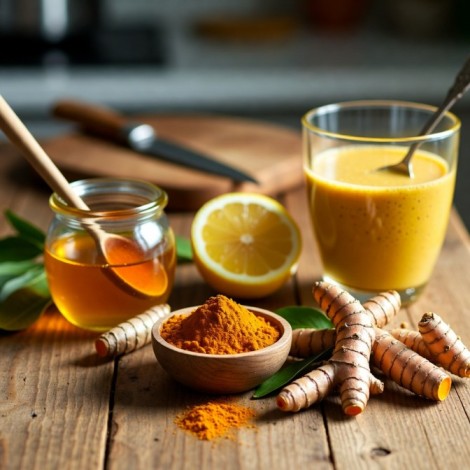
Before starting any herbal supplement, please consult a qualified doctor to ensure it is safe for your health conditions and won’t interfere with any medications. Book Appointment with doctor to know more https://fallego.com/wp-content/uploads/2026/02/grok-video-6bb7dbed-d8ac-41bf-a0a7-b3104b370bcb-1.mp4 1. Turmeric (Haldi) Kya Hai? Turmeric, jise Urdu me Haldi kehte hain, ek golden-yellow spice hai jo qadeem zamane se cooking aur medicine me use hoti aa rahi hai. Scientific name Curcuma longa hai. Haldi ka main active compound Curcumin hai jo anti-inflammatory, antioxidant aur immune-boosting properties ke liye mashhoor hai. India, Pakistan aur Asia ke traditional medicine me Haldi ka use centuries se hota raha hai, aur modern research bhi iske benefits ko confirm karti hai. 2. Top 10 Incredible Turmeric (Haldi) Benefits 2.1 Immunity Boost  Haldi immune system ko strong banati hai. Rozana Haldi use karne se flu, cold aur infections se bachao hota hai. 2.2 Anti-Inflammatory Properties  Curcumin ke zariye Haldi arthritis, joint pain aur body inflammation ko naturally kam karti hai. 2.3 Skin Benefits  Haldi acne, pimples, pigmentation aur dull skin ke liye bohot effective hai. Face mask ya Haldi paste se skin glowing aur healthy hoti hai. 2.4 Digestive Health  Haldi digestion improve karti hai, bloating aur gas kam karti hai aur liver ko detoxify karti hai. 2.5 Heart Health  Haldi blood pressure aur cholesterol ko control karne me madad karti hai aur heart ke liye protective hai. 2.6 Anti-Oxidant & Anti-Cancer Properties  Curcumin ke zariye Haldi free radicals se larne me madad karti hai aur cell damage kam hota hai. 2.7 Hair Benefits  Haldi scalp infections aur dandruff ko reduce karti hai. Hair growth aur shine improve hoti hai. 2.8 Mood & Brain Health  Haldi adaptogenic herb ke taur par brain ko oxidative stress se protect karti hai aur mood uplift me help karti hai. 2.9 Anti-Aging Properties  Haldi skin aur body ke liye anti-aging effect rakhti hai. Fine lines aur wrinkles reduce hoti hain. 2.10 Overall Health & Vitality  Haldi regular use se overall health, immunity aur vitality improve hoti hai. Body stress aur illness ke against strong hoti hai. 3. Turmeric (Haldi) Kaise Use Karein 3.1 Turmeric Powder / Haldi Powder ½ to 1 tsp daily milk, water ya smoothies me Cooking me curries, soups ya dal me 3.2 Turmeric Paste / Haldi Paste Face masks aur skin care ke liye Haldi + honey + lemon mix karke 15 min lagaye aur rinse karein 3.3 Turmeric Capsules / Supplements Market me pre-measured capsules available hain Daily dose doctor ki guidance se follow karein 3.4 Golden Milk / Haldi Doodh Warm milk + ½ tsp Haldi + honey Subah ya raat ko immunity aur health boost ke liye 4. Turmeric (Haldi) Skin Aur Hair Ke Liye 4.1 Skin Care Haldi face mask acne, pimples aur dullness ke liye Mix: Haldi + Honey + Yogurt 15-20 min baad rinse karein 4.2 Hair Care Haldi + Coconut oil scalp massage Dandruff aur hair fall kam hota hai Regular use se bal healthy aur shiny hote hain 5. Turmeric (Haldi) Ke Side Effects Digestive Issues: Zyada use se gas ya acidity ho sakti hai Pregnancy / Breastfeeding: Doctor ki guidance zaroori Blood Thinning: Agar blood thinning medicines le rahi ho to caution Allergic Reaction: Rare cases me rashes ya itching 6. Turmeric Science & Research Curcumin scientifically proven hai anti-inflammatory aur antioxidant effects ke liye Studies ke mutabiq: Immunity aur digestion improve hoti hai Skin aur hair health better hoti hai Heart aur liver function support hota hai Brain aur mood uplift hota hai 7. Popular Combinations of Turmeric Turmeric + Honey: Immunity aur skin glow Turmeric + Milk (Golden Milk): Energy aur digestion boost Turmeric + Ginger: Cold, flu aur inflammation relief

Maca Root
Blog, Fitness, General topics, Life Changing, Nutritionist

10 Incredible Maca Root (Lepidium meyenii) Benefits for Energy, Hormones & Overall Health

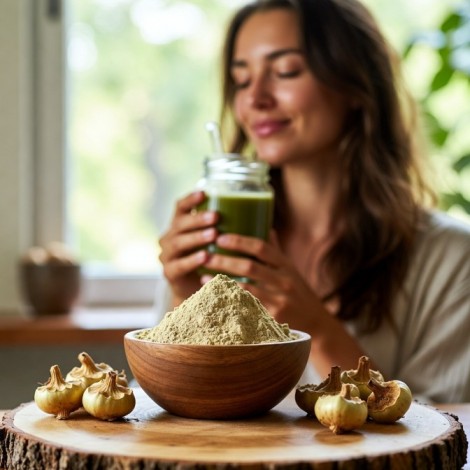
Before starting Maca Root or any herbal supplement, please consult a qualified doctor to ensure it is safe for your health conditions and won’t interfere with any medications. Book Appointment with doctor to know more https://fallego.com/wp-content/uploads/2026/02/grok-video-0b78c9cc-ee5a-476f-9463-5aebc3736c45-1-1.mp4 1.Maca Root (Lepidium meyenii) Kya Hai? Maca Root, ya scientifically Lepidium meyenii, ek Peruvian herb hai jo Andes mountains me grow hoti hai. Isay centuries se energy, stamina aur fertility ke liye use kiya jata raha hai. Maca Root ka nutritional profile bohot rich hai — isme vitamins, minerals, amino acids, antioxidants aur adaptogenic compounds hote hain. Yeh herb body ko natural energy, hormonal balance aur mental focus dene ke liye mashhoor hai. 2. Top 10 Incredible Maca Root Benefits 2.1 Energy Aur Stamina BoostMaca Root rozana use karne se aapki energy aur stamina improve hoti hai. Athletes aur active log isay performance aur endurance ke liye use karte hain. 2.2 Hormonal BalanceMaca Root hormones ko naturally regulate karta hai. Men aur women dono me testosterone aur estrogen balance me help karta hai. 2.3 Libido Aur Sexual HealthMaca Root sexual desire aur fertility ko improve karta hai. Yeh natural aphrodisiac ke taur par bhi use hota hai. 2.4 Mood Aur Mental HealthMaca adaptogenic herb hai jo stress aur anxiety ko kam karta hai. Regular use se mood uplift hota hai aur depression symptoms reduce hote hain. 2.5 Menopause Aur PMS ReliefWomen ke liye, Maca Root menopause aur PMS symptoms jaise hot flashes, mood swings aur cramps me relief provide karta hai. 2.6 Bone HealthMaca Root calcium, magnesium aur zinc se rich hai jo bones ko strong rakhta hai aur osteoporosis ka risk kam karta hai. 2.7 Skin HealthMaca Root antioxidants ke zariye skin ko rejuvenate karta hai. Acne, dull skin aur aging ke signs me improvement dekha gaya hai. 2.8 Muscle Growth & FitnessAthletes aur gym enthusiasts ke liye Maca Root muscle recovery aur growth me help karta hai. Yeh protein synthesis aur energy levels ko boost karta hai. 2.9 Immune System SupportMaca Root immunity boost karta hai aur infections ke against body ki natural defense strengthen karta hai. 2.10 Overall Health & VitalityMaca Root regular use se overall health, vitality aur longevity improve hoti hai. Yeh body ko adapt karne me help karta hai stressful situations me. 3. Maca Root Kaise Use Karein 3.1 Powder Form 1 tsp Maca Root powder daily subah khali pet Smoothies, milk, ya yogurt me mix karke use kar sakte hain 3.2 Capsules / Supplements Market me pre-measured capsules available hain Daily recommended dose doctor ki guidance se follow karein 3.3 Maca Tea / Drinks Maca powder ko garam pani ya herbal tea me mix karke peena Energy aur metabolism boost ke liye ideal hai 3.4 Maca in Food Maca powder ko oatmeal, cereals, ya baked items me sprinkle kar sakte hain Yeh daily diet ka healthy addition hai 4. Maca Root Ke Side Effects Digestive Issues: Zyada dose se gas ya bloating ho sakti hai Thyroid Concerns: Agar thyroid problem hai, doctor se consult karein Pregnancy / Breastfeeding: Doctor guidance zaroori hai Allergic Reaction: Rare cases me skin rashes ya itching 5. Maca Root Science & Research Maca Root ke andar glucosinolates, polyphenols aur macamides hote hain jo scientifically proven health benefits ke liye responsible hain. Research ke mutabiq: Energy aur stamina increase hoti hai Hormonal balance aur libido improve hoti hai Mood aur mental health better hoti hai Muscle recovery aur bone health support hoti hai 6. Popular Combinations of Maca Root Maca Root ke andar glucosinolates, polyphenols aur macamides hote hain jo scientifically proven health benefits ke liye responsible hain. Research ke mutabiq: Energy aur stamina increase hoti hai Hormonal balance aur libido improve hoti hai Mood aur mental health better hoti hai Muscle recovery aur bone health support hoti ha Maca Root (Lepidium meyenii) ek natural aur powerful herb hai jo energy, stamina, hormones, mood, aur overall health ke liye effective hai. Tip: Hamesha recommended dose follow karein aur doctor ki guidance me use karein. Maca Root ko smoothies, milk, ya daily diet me include karna best results deta hai. Book Appointment with doctor to know more

face wash
Blog, Dermatology, Fitness, General topics, Life Changing

Face Wash: Benefits, Types, How to Choose the Right One & Proper Usage Guide.

A face wash is one of the most essential skincare products used in daily routines across the world. Whether you have oily, dry, sensitive, or acne-prone skin, choosing the right face wash plays a vital role in maintaining healthy, clear, and glowing skin. In this detailed guide, we will explore what face wash is, its benefits, different types, how to select the right one, correct usage methods, and common mistakes to avoid. What Is a Face Wash? A face wash is a skincare cleanser specially formulated to remove dirt, oil, sweat, dead skin cells, makeup residue, and environmental pollutants from the skin’s surface. Unlike regular soap, face washes are designed to maintain the skin’s natural moisture balance and pH level. Regular cleansing with a suitable face wash helps keep pores clean, prevents acne, and prepares the skin for other skincare products such as serums and moisturizers. Why Is Face Wash Important for Skin? Our skin is exposed daily to dust, pollution, bacteria, and excess oil. Without proper cleansing, these impurities can clog pores, leading to acne, dullness, and premature aging. Key Reasons to Use Face Wash Daily: Removes excess oil and dirt Prevents acne and breakouts Maintains skin hydration Improves skin texture and tone Enhances absorption of skincare products Using a face wash twice a day—morning and night—is recommended by dermatologists for optimal skin health. Benefits of Using Face Wash 1. Deep Cleansing Face wash penetrates deeper into pores to remove impurities that water alone cannot eliminate. 2. Controls Excess Oil Oil-control face washes help reduce shine and prevent clogged pores, especially for oily and acne-prone skin. 3. Prevents Acne and Pimples Regular cleansing removes bacteria and excess sebum, reducing the risk of pimples, blackheads, and whiteheads. 4. Hydrates the Skin Gentle face washes preserve the skin’s natural moisture barrier, preventing dryness and irritation. 5. Improves Skin Glow By removing dead skin cells and impurities, face wash helps reveal fresher, brighter skin. 6. Delays Signs of Aging Antioxidant-rich face washes help protect skin from pollution damage and premature wrinkles. Types of Face Wash According to Skin Type Choosing the correct face wash depends largely on your skin type. 1. Face Wash for Oily Skin These face washes contain oil-controlling ingredients like salicylic acid, tea tree oil, or charcoal. They help reduce excess sebum and prevent acne. Best for: Shiny skin, enlarged pores, frequent breakouts 2. Face Wash for Dry Skin Dry skin face washes are cream-based or hydrating formulas enriched with glycerin, hyaluronic acid, or aloe vera. Best for: Flaky, rough, or tight skin 3. Face Wash for Combination Skin These cleansers balance oil in the T-zone while maintaining hydration on dry areas. Best for: Oily forehead and nose with dry cheeks 4. Face Wash for Sensitive Skin Formulated without harsh chemicals, fragrance, or alcohol. These are soothing and non-irritating. Best for: Redness, itching, or easily irritated skin 5. Face Wash for Acne-Prone Skin Contains antibacterial and exfoliating agents such as benzoyl peroxide or salicylic acid to treat acne. Best for: Pimples, blackheads, and whiteheads Common Ingredients Found in Face Wash Understanding ingredients helps you choose a safe and effective product. Salicylic Acid: Unclogs pores and treats acne Tea Tree Oil: Antibacterial and anti-inflammatory Hyaluronic Acid: Provides deep hydration Aloe Vera: Soothes and calms irritated skin Vitamin C: Brightens skin tone Charcoal: Absorbs oil and impurities Always check ingredient labels, especially if you have sensitive skin. How to Use Face Wash Properly Using a face wash correctly is just as important as choosing the right one. Wet your face with lukewarm water Take a small amount of face wash Gently massage in circular motions for 30–60 seconds Avoid harsh scrubbing Rinse thoroughly with water Pat dry with a clean towel Apply moisturizer after cleansing Frequency: Twice daily (morning and night) Common Face Wash Mistakes to Avoid Using body soap on the face Over-washing the face Scrubbing too hard Using hot water Ignoring moisturizer after cleansing These mistakes can damage the skin barrier and cause dryness or breakouts. Natural vs Medicated Face Wash Natural Face Wash Made with herbal extracts and plant-based ingredients. Suitable for daily use and sensitive skin. Medicated Face Wash Contains active ingredients for acne, pigmentation, or infections. Best used under medical advice.

Ear Piercing
Blog, Dermatology, General topics, Life Changing

Piercing Ear: Complete Guide to Types, Benefits, Risks, and Aftercare

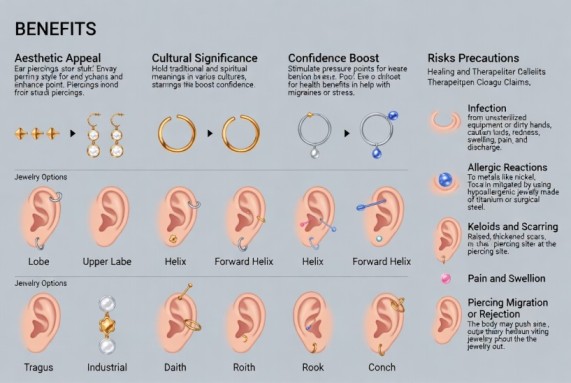
Ear piercing is one of the most popular forms of body modification worldwide. From simple lobe piercings to elaborate cartilage designs, ear piercings allow individuals to express their personality, style, and cultural identity. In this comprehensive guide, we will explore everything about piercing ears, including types, benefits, risks, aftercare, and tips to ensure a safe and stylish experience. What Is Ear Piercing? Ear piercing is a process of creating a small hole in the ear to insert jewelry, such as studs, hoops, or rings. While ear piercing has been practiced for centuries in various cultures, modern piercing techniques prioritize hygiene, precision, and minimal pain. Ear piercing can be purely aesthetic, but it also has cultural, religious, and even therapeutic significance in some traditions. For example, in Ayurveda, certain ear points are believed to promote health and well-being. Types of Ear Piercings There are multiple types of ear piercings, each with unique placement and style. Choosing the right type depends on personal preference, pain tolerance, and lifestyle. 1. Lobe Piercing The most common and widely accepted ear piercing. Lobe piercings are relatively painless and heal faster compared to other types. Jewelry options include studs, hoops, and dangling earrings. 2. Upper Lobe Piercing This is placed slightly above the standard lobe piercing. It allows multiple piercings along the lobe for a layered jewelry effect. 3. Helix Piercing Located on the upper cartilage of the ear, helix piercings are stylish and modern. Healing may take longer than lobe piercings due to the tougher cartilage tissue. 4. Forward Helix Piercing This piercing is placed on the front rim of the ear. It offers a unique look and allows for multiple jewelry pieces along the forward helix. 5. Industrial Piercing An industrial piercing involves two cartilage piercings connected with a single barbell. It’s bold, edgy, and requires careful healing. 6. Tragus Piercing The tragus is the small flap in front of the ear canal. Tragus piercings are trendy and provide a subtle yet stylish look. 7. Daith Piercing Located in the innermost cartilage fold, daith piercings are known for their unique appearance. Some people even claim it may reduce migraines, although scientific evidence is limited. 8. Rook Piercing The rook piercing is on the inner ridge of the ear. It’s a bold choice and can enhance overall ear aesthetics. 9. Conch Piercing Placed in the middle cartilage, conch piercings can be either inner or outer. They allow hoops and studs for a standout appearance. Benefits of Ear Piercing 1. Aesthetic Appeal Ear piercings enhance personal style and allow for creative self-expression. They can complement fashion trends and individual personality. 2. Cultural Significance In many cultures, ear piercings hold traditional and spiritual meanings. For example, in South Asia, ear piercing ceremonies are celebrated as rites of passage for children. 3. Confidence Boost Wearing jewelry in the ear can make people feel more confident and stylish. It can also highlight facial features effectively. 4. Healing and Therapeutic Claims Some believe that specific ear piercings, like the daith or tragus, stimulate pressure points that can help with health issues, including migraines or stress. Risks and Precautions While ear piercing is generally safe when done professionally, there are risks if hygiene and care are ignored. 1. Infection Using unsterilized equipment or touching the piercing with dirty hands can cause bacterial infections. Symptoms include redness, swelling, pain, and discharge. 2. Allergic Reactions Some people may be allergic to metals like nickel. Choosing hypoallergenic jewelry made of titanium or surgical steel reduces this risk. 3. Keloids and Scarring Some individuals are prone to keloid formation—raised, thickened scars at the piercing site. 4. Pain and Swelling Pain is inevitable, especially in cartilage piercings. Swelling is common during the initial healing phase. 5. Piercing Migration or Rejection Sometimes, the body may push the jewelry out, causing migration or rejection of the piercing. Aftercare Tips for Ear Piercing Proper aftercare is crucial for healing and avoiding complications. Clean Regularly: Use saline solution or antiseptic recommended by the piercer. Avoid Touching: Don’t touch or rotate jewelry unnecessarily to prevent bacteria transfer. Choose Proper Jewelry: Use high-quality, hypoallergenic materials. Avoid Swimming: Pools, lakes, and hot tubs can introduce bacteria during the initial healing period. Sleep Carefully: Avoid sleeping on the newly pierced ear to prevent irritation. Watch for Infection: Redness, swelling, or pus may indicate infection. Consult a doctor if symptoms persist.

thyroid
Blog, Dermatology, Infertility, Life Changing

Thyroid Symptoms: 15 Warning Signs, Causes, Tests & Treatment Explained

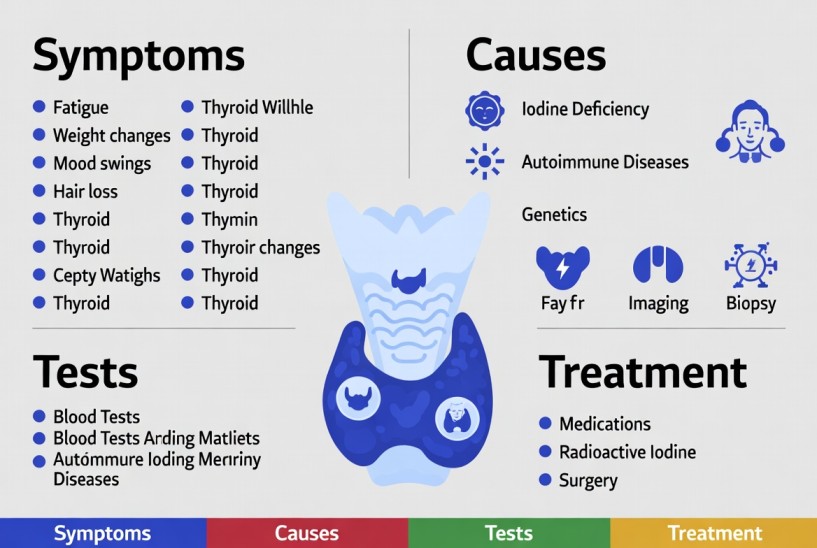
Thyroid Disease: What Is the Thyroid Gland? (Introduction) The thyroid is a small, butterfly-shaped gland located at the front of the neck. It produces hormones that regulate metabolism, energy levels, heart rate, body temperature, mood, and weight. When the thyroid gland produces too little or too much hormone, it leads to a medical condition known as thyroid disease, which causes multiple physical and mental symptoms. ⚠️ Types of Thyroid Disorders There are two main types of thyroid problems: 1️⃣ Hypothyroidism When the thyroid gland produces too little hormone. 2️⃣ Hyperthyroidism When the thyroid gland produces too much hormone. Each condition has different symptoms and health effects. 🔵 Hypothyroidism Symptoms (Low Thyroid Hormone) Common symptoms of hypothyroidism include: Constant fatigue and weakness Weight gain without increased food intake Feeling cold more often Hair thinning or hair loss Dry and rough skin Depression or low mood Memory problems Slow heart rate Irregular menstrual cycles Constipation Swelling of face or neck Excessive sleepiness Muscle pain or stiffness Hoarse voice Low libido 🔴 Hyperthyroidism Symptoms (Overactive Thyroid) Symptoms of hyperthyroidism may include: Sudden weight loss Rapid or irregular heartbeat Excessive sweating Heat intolerance Anxiety or nervousness Tremors in hands Difficulty sleeping Increased appetite Frequent bowel movements or diarrhea Menstrual disturbances Hair thinning Muscle weakness Mood swings Bulging eyes (Graves’ disease) Restlessness and fatigue 👩‍⚕️ Who Is at Higher Risk of Thyroid Disease? Thyroid disorders are more common in: Women People over 30 years of age Those with a family history of thyroid disease Post-pregnancy women Individuals with high stress levels People with iodine imbalance 🧪 Thyroid Tests and Diagnosis Doctors usually recommend the following tests: TSH (Thyroid Stimulating Hormone) Test T3 Test T4 Test Thyroid Ultrasound Thyroid Antibody Test (for autoimmune thyroid disease) A simple blood test can accurately diagnose thyroid problems. 💊 Thyroid Treatment Options Treatment depends on the type of thyroid disorder: Hypothyroidism Treatment: Daily thyroid hormone replacement (Levothyroxine) Regular blood monitoring Lifestyle and dietary improvements Hyperthyroidism Treatment: Anti-thyroid medications Radioactive iodine therapy Surgery in severe cases ⚠️ Never take thyroid medication without medical supervision. 🥗 Diet and Lifestyle for Thyroid Health Recommended Foods: Iodized salt Eggs Fish and seafood Fruits and vegetables Adequate water intake Foods to Limit: Junk and processed foods Smoking Excess soy products High caffeine intake ❓ Frequently Asked Questions (FAQs) Q1: Can thyroid disease be cured? Thyroid disorders are usually manageable, and symptoms can be controlled with proper treatment. Q2: Does thyroid affect fertility? Yes, untreated thyroid problems can cause fertility issues in both men and women. Q3: Is thyroid a lifelong condition? In many cases, thyroid disorders require long-term or lifelong management. Q4: Can thyroid cause weight changes? Yes, thyroid hormones directly affect metabolism and body weight. 📞 When Should You See a Doctor? Consult a doctor if you experience: Persistent fatigue Sudden weight changes Irregular heartbeat Menstrual irregularities Anxiety or depression without clear cause Early diagnosis helps prevent serious complications. 🔔 Call to Action (CTA) 👉 Get your thyroid levels tested today👉 Book an online doctor consultation-03339025207👉 Early treatment can protect your long-term health

Blog, General topics, Life Changing, Nutritionist

Clove Benefits — The Ultimate Health, Nutrition & Wellness Guide.

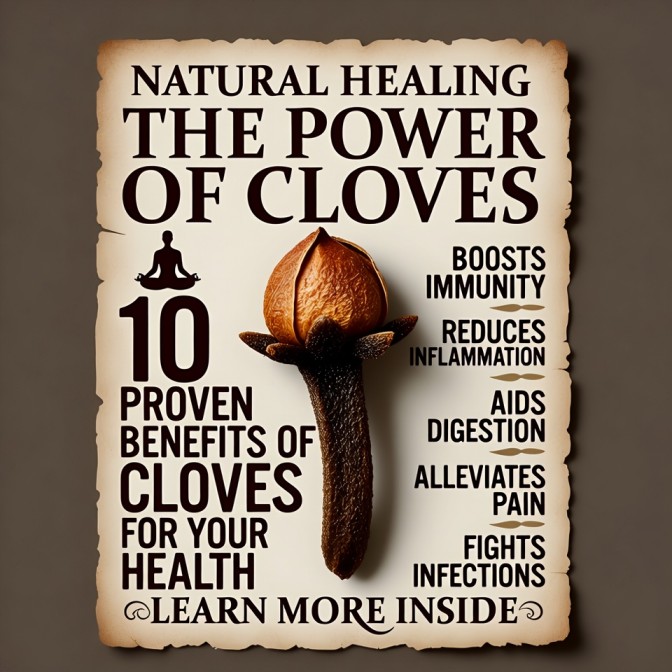
“Before starting Clove (or any herbal supplement), please consult a qualified doctor to ensure it is safe for your health conditions and won’t interfere with any medications.” Book Appointment with doctor to know more Clove – Introduction Cloves are aromatic flower buds from the Syzygium aromaticum tree that have been treasured in kitchens and traditional medicine for centuries. This spice is used globally not only for flavoring curries, teas, and desserts but also for its potent health-promoting properties. In this comprehensive guide, we’ll explore everything you need to know about clove benefits — from nutrition and scientific uses to traditional remedies, cooking tips, and safety precautions. 1. What Are Cloves? Cloves are dried flower buds that come from a tropical evergreen tree native to Indonesia and now cultivated in many parts of the world. The spice has a warm, sweet-spicy flavor and contains several powerful compounds, the most notable of which is eugenol — a compound responsible for many of its health effects. 2. Nutrition Profile of Cloves Although you typically consume cloves in small amounts, they contain nutrients and phytonutrients that contribute to their health benefits. One teaspoon of ground cloves contains small amounts of vitamins and minerals including: Manganese: essential for bone health and enzyme function. Vitamin K: supports metabolic processes. Potassium and beta-carotene: antioxidants that protect cells. Fiber: helps with digestion.  Because cloves are rich in eugenol, flavonoids, and phenolic acids, their antioxidant capacity ranks among the highest of spices. 3. Top Clove Benefits for Health Here are the most important clove benefits that have scientific support or long-standing traditional use: 3.1 Powerful Antioxidant Action Cloves contain high levels of antioxidants that help neutralize damaging free radicals. This oxidative stress is linked to aging and chronic diseases such as heart disease and cancer.  How it helps:✔ Protects cells from damage✔ Reduces oxidative stress✔ Supports overall longevity and wellness 3.2 Reduces Inflammation One of the hallmark clove benefits is the spice’s anti-inflammatory properties. Eugenol and other compounds may help reduce inflammatory markers in the body. Potential outcomes:✔ Reduced joint pain✔ Eased arthritis symptoms✔ Lower risk of long-term inflammation 3.3 Supports Digestive Health Cloves have been traditionally used to improve digestion. They can stimulate digestive enzymes and help relieve common gut issues like gas, bloating, nausea, and indigestion. Ways cloves help digestion:✔ Encourages enzyme secretion✔ Helps reduce gastric irritation✔ Relaxes intestinal muscles for comfort 3.4 May Help Regulate Blood Sugar Some research indicates that clove compounds may assist in regulating blood glucose and improving insulin sensitivity, making them potentially useful for blood sugar control.  While whole cloves are not a replacement for medical treatment, their incorporation into a balanced diet may support blood sugar management as part of a healthy lifestyle.  3.5 Promotes Liver Health Cloves contain compounds that may support liver function by reducing oxidative stress and aiding detoxification pathways.  Health benefits for the liver:✔ Protects liver cells from damage✔ Supports detox processes in the body 3.6 Antimicrobial & Infection-Fighting Effects Cloves have antimicrobial properties, meaning they may help control the growth of harmful bacteria, fungi, and microbes.  This makes them helpful for oral health, food preservation, and immune support. 3.7 Supports Oral & Dental Health Cloves are traditionally used in oral care due to their antiseptic qualities. Chewing cloves or using clove oil can help with bad breath, gum inflammation, and toothache relief.  Why this matters: The numbing effect of eugenol helps reduce dental pain.  3.8 May Aid Metabolic & Heart Health Emerging research suggests cloves may help support cardiovascular health by improving blood cholesterol levels and promoting healthy blood circulation — likely due to their antioxidant and anti-inflammatory effects.  Potential heart benefits:✔ Support for healthy LDL and HDL cholesterol levels✔ Reduced inflammation✔ Improved circulation 3.9 Immune System Support Because cloves have antimicrobial and antiviral compounds, they may help strengthen the body’s defenses against infections and seasonal illnesses when consumed regularly.  3.10 May Support Respiratory Health Clove tea or steam inhalation with cloves may help relieve symptoms of cough, congestion, and sore throat due to anti-inflammatory and soothing qualities.    4. Lesser-Known Clove Benefits While more research is needed for some of the following effects in humans, cloves are also associated with: 4.1 Potential Anticancer Properties Test-tube research suggests compounds in cloves may help inhibit the growth of certain cancer cells. However, human studies are limited and cloves should not be viewed as a treatment on their own. 4.2 Bone Health Support Because cloves contain manganese — a mineral important for bone formation — they may contribute to bone health when eaten as part of a nutrient-rich diet.  4.3 Urinary Tract Health Cloves’ antibacterial and mild diuretic properties may help support urinary health by inhibiting pathogens — though cloves should not replace medical care for infections.  4.4 Skin & Anti-Aging Effects The antioxidant properties of cloves may help protect skin cells from oxidative damage, supporting skin health and potentially reducing signs of aging when part of a balanced antioxidant-rich diet.  4.5 Hair & Scalp Support Though direct clinical evidence is limited, antioxidants and anti-inflammatory compounds in cloves may help maintain scalp health, reduce dandruff, and support overall hair condition when included in a nutritious diet.    5. How to Use Cloves for Maximum Benefits Here’s how you can incorporate cloves into your daily routine in simple, practical ways: 5.1 Clove Tea How to make:Crush 2–3 whole cloves, boil in water for 5–10 minutes, strain, and drink warm.This traditional remedy may support digestion, relieve bloating, and ease respiratory discomfort. 5.2 Cooking with Cloves Add whole or ground cloves to curries, stews, rice, baked goods, teas, and sauces for flavor and wellness support. 5.3 Clove-Infused Water Soak cloves in water overnight and drink the infused water in the morning to help kickstart digestion and metabolism. 5.4 Clove Oil Uses Clove essential oil can be used topically (diluted with a carrier oil) for localized pain relief — such as sore muscles or dental discomfort — but should be used cautiously due to high eugenol concentration.    6. Clove Benefits

ginkgo (ginkgo biloba)
Blog, General topics, Life Changing

Ginkgo biloba: Benefits, Risks & How It Works (Complete Guide)

Note: Before using any herbal supplement or treatment, always consult with a qualified doctor first. Book Online Consultation Ginkgo Biloba – Introduction Ginkgo biloba — often simply referred to as ginkgo — is one of the oldest living tree species on Earth, sometimes called a “living fossil.” Over centuries, people have used extracts from its leaves (and sometimes seeds) for various health purposes. In recent decades, ginkgo biloba supplements have surged in popularity worldwide. But how much of the hype is backed by credible science, and what are the real benefits and risks? In this article we take an in-depth look at ginkgo biloba: what it is, how it works, what research shows — and what you should watch out for before using it. What is Ginkgo biloba? Ancient Origins: Ginkgo biloba belongs to an ancient lineage of plants. Despite environmental changes and the extinction of many related species, ginkgo has survived — which is why it is often called a “living fossil.” Its resilience and longevity make it unique among trees. Botanical Features :The tree is known for its distinctive fan-shaped leaves and tolerance to pollution and urban conditions, making it a common ornamental species in gardens, parks, and cityscapes globally. Forms Used :Therapeutic products most often use the leaves — typically in extract form such as capsules, tablets, and teas. Raw leaves or seeds are usually not used due to safety concerns. Active Compounds :The main biologically active components in ginkgo biloba extracts are flavonoids and terpene lactones (including ginkgolides and bilobalide). These compounds are believed to contribute to its antioxidant, vascular, and neuroprotective effects. Claimed & Studied Benefits of Ginkgo biloba 1. Brain Health, Memory & Cognitive Function Antioxidant & Neuroprotective Effects: Ginkgo’s compounds may help protect brain cells against oxidative stress — a factor believed to contribute to cognitive decline and neurodegenerative diseases. Support for Dementia / Alzheimer’s : Some studies suggest ginkgo extract may help with cognitive symptoms in people with dementia or mild cognitive impairment by improving blood flow and protecting neurons. Mixed Evidence : Large, high-quality studies have found that ginkgo supplements do not prevent dementia or Alzheimer’s. Healthy Adults Evidence for memory or attention improvement in healthy adults is inconsistent and generally weak. Conclusion : Ginkgo may offer limited neuroprotective or symptomatic benefits in certain cognitive conditions, but it is not a guaranteed memory enhancer. 2. Circulation, Vascular Health & Peripheral Conditions Improved Circulation: Certain components in ginkgo may help widen blood vessels and improve blood flow, potentially benefiting the brain, limbs, and other organs. Peripheral Artery Disease / Claudication : Some trials have found modest improvement in walking distance and reduced leg pain due to improved circulation. Mixed Results : Not all studies confirm these effects, and improvements tend to be small. Conclusion : Ginkgo may offer some modest benefit for circulation-related conditions but should not replace medical treatment. 3. Mental Health — Anxiety, Mood, Depression, Stress Some research suggests ginkgo may help reduce symptoms of anxiety or depression due to its antioxidant and neuromodulatory effects. However, evidence is limited, and it should not be considered a primary treatment for mental health conditions.   4. Other Claimed Uses (Respiratory, Eye Health, etc.) Respiratory Issues : Historically used for asthma and respiratory discomfort. Modern studies show possible benefits for reducing airway inflammation, but evidence is still too limited. Eye Health : There are claims that ginkgo supports eye health, such as in glaucoma, but scientific proof remains insufficient. Risks, Side Effects & Who Should Avoid Ginkgo Common Side Effects : Headache, stomach upset, dizziness, skin reactions, heart palpitations, and digestive issues. Bleeding Risk : Ginkgo may increase bleeding risk because it affects platelet function. This is especially dangerous for people using blood thinners, those with bleeding disorders, or individuals preparing for surgery. Toxicity of Seeds : Raw or roasted ginkgo seeds can be poisonous and may cause seizures or other severe reactions.    Not Safe For Everyone Ginkgo is generally not recommended for: Pregnant or breastfeeding women Children People with bleeding disorders People on certain medications (blood thinners, antidepressants, anticonvulsants, diabetes medications, NSAIDs) Drug InteractionsGinkgo may interact with many medicines, so medical advice is essential. Typical Dosage & Forms Ginkgo biloba is available as: Capsules Tablets Standardized leaf extracts Liquid extracts Dried leaf teas Clinical studies usually use 120–240 mg per day, often in divided doses. Standardized extracts (with specific amounts of active compounds) are more reliable than raw leaves or non-standardized herbal mixtures.   Should You Use Ginkgo biloba? Consider these before using it: Your Goal : For serious health conditions, ginkgo should not replace medical treatment. It may offer mild support at best. Your Health Status : Healthy adults not taking interacting medications have a lower risk of side effects. Consult a Doctor : Especially important if you use any medications. Product Quality : Choose standardized extracts from reputable brands. Dosage : Stick to research-backed doses (120–240 mg/day). Higher doses do not mean better results.   Summary & Conclusion Ginkgo biloba is a remarkable ancient tree with extracts used for various health purposes. Science supports some benefits — particularly related to circulation and mild cognitive issues — but effects are usually modest and not guaranteed. It is not a miracle supplement, and it carries risks such as bleeding, drug interactions, and toxicity from raw plant parts. Always use standardized products and seek medical advice before starting. For memory, circulation, or general wellness, ginkgo may serve as a supportive option — but lifestyle practices like good sleep, exercise, and a balanced diet remain far more effective.

teacher
Life Changing

Teacher Apni Zindagi Ki Thakawat Kaisy Kam Karein?

Teacher ki zindagi sirf taleem tak mehdood nahi hoti. Woh subha waqt par uthta hai, class ki tayyari karta hai, students ki problems suntay hai, unka future banata hai – aur saath hi apni zindagi ki zimmedariyan bhi nibhaata hai. Itna sab kuch karte karte ek teacher ki zindagi mein thakawat, mental stress aur kabhi kabhi burnout tak aa jata hai. Agar aap bhi ek teacher hain aur mehsoos karte hain ke zindagi bhaag rahi hai lekin sukoon kahin gum hai, to yeh blog aap ke liye hai. Rozana apne liye sirf 15 se 20 minute zaroor nikalein. Chahe woh waqt aap chai peene mein guzarein ya kisi balcony mein khamoshi se baith kar, yeh waqt aap ke zehni sukoon ke liye bohot zaroori hai. Har teacher ko yeh personal break lena chahiye. Neend ki kami teacher ke energy level ko directly effect karti hai. Raat ki 6–8 ghante ki neend lazmi hai. Yeh na sirf aap ke mood ko theek rakhti hai, balkeh aap ki productivity aur classroom performance ko bhi behtar banati hai. Apni expectations realistic rakhein. Har student ko A-grade dena ya har class ko perfectly manage karna mumkin nahi hota. Ek teacher sirf mehnat kar sakta hai, natija uska control nahi hota. Apne aap se ziada umeedein lagana sirf thakawat aur guilt ka sabab banta hai. Work aur personal life ka balance banana har teacher ke liye zaroori hai. Koshish karein ke school ka kaam ghar tak na le jayein. Apne liye weekend plan karein – choti si outing, doston se milna, ya apni family ke sath waqt guzarana. Zindagi sirf duty ka naam nahi. Healthy routine apnaana chhoti baat nahi. Subha halka nashta, din bhar mein 7–8 glass pani, thodi thodi der baad uth kar chalna ya stretch karna – yeh sab aap ke energy level ko barqarar rakhtay hain. Teacher ka kaam demanding hota hai, is liye self-care lazmi hai. Ek teacher ke liye emotional support system hona bohot zaroori hai. Kisi trusted colleague ya friend teacher se rozana kuch dair baat karna, din ka haal share karna, ya sirf hans lena bhi stress ko kam karta hai. Aap akelay nahi hain, har teacher kuch na kuch pressure ka shikar hota hai. Rozana kuch dair gratitude practice karein. Har din ke aakhir mein teen cheezain sochiye jin ka aap shukar ada kar sakte hain – aik student ka smile, aik acha lecture, ya aik peaceful moment. Positivity zindagi ke stress ko absorb karti hai. Teacher agar apna khayal rakhega to students ka mustaqbil bhi roshan hoga. Jab aap khud khush, healthy aur focused honge, to aap ka har sabak zyada asar daal sakega. Is liye apni zindagi ki thakawat ko nazarandaaz mat karein – usay samajhein, us ka ilaaj karein, aur apne liye waqt nikaalein. Har teacher ke andar aik khamosh fighter hota hai. Har roz woh mushkil students ko samjhata hai, admin ke pressure ka samna karta hai, aur phir ghar jaa kar maa, baap, behn, bhai ya walid ka kirdar bhi ada karta hai. Magar is sab mein apni khushi, sukoon aur energy kab chali jaati hai — teacher ko khud bhi ehsaas nahi hota. Aap ek machine nahi hain. Agar aap ko lagta hai ke aap roz sirf doosron ke liye jee rahe hain, aur khud ke liye waqt nahi nikal pa rahe, to samajh jaiye — yeh thakawat sirf aaj ki nahi, yeh purani jama poonji ban chuki hai jo kisi din burnout ka sabab ban sakti hai. Self-care koi selfish kaam nahi, ek zaroorat hai. Har teacher ko apne liye ek nizaam tay karna chahiye jisme wo khud ko time de, apne emotions ko samjhe, aur zindagi ko sirf zimmedariyon ka bojh samajhne ke bajaye us ka lutf bhi uthaye. Kya aap ne kabhi khud se poocha: “Main theek hoon?” Agar jawab “nahi” hai to pehli dafa is blog ke zariye us sawal ka samna karein. Khud se mohabbat karna, khud ka khayal rakhna, aur kabhi kabhi “nahi” keh dena bhi teacher ke liye zaroori hai. Achi sehat ke baghair achi taleem nahi di ja sakti. Jab teacher khud emotionally aur physically fit hota hai, tabhi woh students ke liye inspiration ban sakta hai. Waqt par khana, neend lena, aur apne emotions ka izhaar karna kisi kamzori ka nishan nahi, aik aqalmandi hai. Teacher ka jazba qabil-e-tareef hai, lekin jazbe ke sath thoda sukoon bhi zaroori hai. Har kisi ko parhne aur samajhne ke chakkar mein apni feelings ko daba dena aik din emotional exhaustion mein tabdeel ho sakta hai. Apne dard ko express karein, diary likhein, ya kisi trustable shakhs se baat karein. Yeh bhi healing ka hissa hai. Weekend routines plan karein. Aik teacher har din kisi na kisi planning mein hota hai — lekin apne liye bhi aik “unplanned day” rakhein. Kisi park mein jaa kar walk karein, apna favourite music lagayein, ya sirf khamoshi mein baith kar coffee pee lein. Zindagi sirf doston, students aur assignments ke darmiyan nahi chalti, ismein aap bhi shaamil hain. Kabhi kabhi technology se doori bhi sukoon hoti hai. Har waqt mobile, emails aur WhatsApp groups ka jawab dena — teacher ki mental fatigue ka sab se bara sabab ban gaya hai. Har roz kuch waqt “screen-free” zaroor guzariyein. Apne zehan ko halka feel karwayein. Har teacher ka dil bara hota hai, magar kabhi kabhi dil ko bhi sukoon chahiye hota hai. Jo kuch aap students ke liye karte hain, uska asar zindagi bhar rehta hai. Is liye zaroori hai ke aap khud bhi wo insan banayen jo muskurayein, khush rahen, aur apne liye waqt nikaalein — kyunke aap bhi kisi ki zindagi ka roshan chiragh hain.  

Psychiatrist in Karachi
Blog, Life Changing

Finding the Right Psychiatrist in Karachi: A Comprehensive Guide to Mental Health Care

In recent years, mental health awareness has seen a significant rise globally, and Karachi, Pakistan’s largest and most bustling city, is no exception. Home to over 20 million residents, Karachi is a city of contrasts—vibrant yet chaotic, fast-paced yet demanding. The challenges of urban living, such as traffic congestion, economic instability, family expectations, and social pressures, can take a toll on mental well-being. For those seeking professional help, finding the right psychiatrist in Karachi is a crucial step toward achieving mental health and balance. This guide aims to provide you with the necessary information to make an informed decision about your mental health care. Why Mental Health Matters Mental health is an essential aspect of overall well-being, yet it is often overlooked or stigmatized, particularly in societies like Pakistan. According to the World Health Organization (WHO), one in four people globally will experience a mental health issue at some point in their lives. In Karachi, where the pace of life is relentless and societal pressures are high, addressing mental health concerns is more important than ever. Conditions such as anxiety, depression, bipolar disorder, and post-traumatic stress disorder (PTSD) can have a profound impact on personal relationships, work performance, and physical health. Untreated, these conditions can lead to a downward spiral, affecting every aspect of life. Consulting a qualified psychiatrist in Karachi can provide the necessary tools to manage these challenges effectively. Whether through medication, psychotherapy, or lifestyle adjustments, psychiatrists play a pivotal role in helping individuals regain control of their lives. Challenges in Accessing Mental Health Care in Karachi Despite the growing awareness of mental health issues, several barriers prevent individuals in Karachi from seeking the help they need. Stigma remains one of the most significant obstacles, with many fearing judgment from family, friends, or colleagues. Misconceptions about mental health often lead to delayed treatment or avoidance altogether. Another challenge is the limited availability of affordable mental health services. While Karachi is home to many skilled psychiatrists, the cost of private consultations can be prohibitive for some. For those without insurance coverage, finding cost-effective options becomes even more critical. However, overcoming these barriers begins with recognizing the importance of mental health and taking proactive steps to seek help. How to Choose the Right Psychiatrist in Karachi Selecting the right psychiatrist is a deeply personal decision that depends on your specific needs and preferences. Here are some key factors to consider when choosing a psychiatrist in Karachi: Qualifications and Credentials Ensure that the psychiatrist is licensed and holds relevant qualifications from reputable institutions. Many psychiatrists in Karachi have trained at prestigious local universities or abroad, bringing a wealth of expertise to their practice. Look for board certifications and memberships in professional organizations as indicators of credibility. Specializations Psychiatrists often specialize in specific areas of mental health. Some focus on treating children and adolescents, while others may concentrate on addiction recovery, trauma therapy, or geriatric psychiatry. Identify your primary concern—whether it’s anxiety, depression, or relationship issues—and find a psychiatrist whose expertise aligns with your needs. Treatment Approach Different mental health professionals adopt varying approaches to treatment. Some emphasize medication management, while others incorporate psychotherapy techniques like cognitive-behavioral therapy (CBT), mindfulness-based interventions, or psychodynamic therapy. If you prefer a holistic approach, look for a professional who integrates multiple methods into their practice. Location and Accessibility Given Karachi’s sprawling geography and notorious traffic, proximity to your home or workplace can make regular visits more convenient. Alternatively, consider telehealth options offered by many psychiatrists in Karachi, which allow for virtual consultations from the comfort of your home. Cost and Insurance The cost of mental health care varies widely depending on the psychiatrist’s experience and location. Before committing to a provider, inquire about consultation fees and whether they accept insurance plans. Some clinics offer sliding-scale payments based on income, making mental health care more accessible. Patient Reviews and Recommendations Online reviews and word-of-mouth referrals can provide valuable insights into a mental health professional’s reputation and bedside manner. Platforms like Google Reviews or local healthcare directories often feature feedback from previous patients, helping you gauge whether a particular expert might be a good fit. Prominent Psychiatrists and Clinics in Karachi Karachi is home to several renowned mental health professionals and clinics dedicated to providing compassionate care. One notable name is Mr. Muhammad Idrees, a licensed psychologist with a Master’s degree in Clinical Psychology and a diploma in Rehabilitation Childhood Disorders. He specializes in psychological counseling, stress management, and behavioral therapy, making him a trusted choice for many seeking mental health support in Karachi. Breaking the Stigma Around Mental Health One of the biggest hurdles to seeking help is the stigma surrounding mental health. Many people hesitate to consult a mental health professional due to fear of being labeled “weak” or “unstable.” It’s important to remember that seeking help is a sign of strength, not weakness. By normalizing conversations around mental health, we can create a supportive environment where everyone feels comfortable reaching out for assistance. Sharing success stories of individuals who have benefited from professional mental health care can also inspire others to take the first step toward healing. Whether it’s overcoming anxiety, managing depression, or improving interpersonal relationships, countless lives have been transformed through proper treatment and support. Resources for Mental Health Support in Karachi Beyond private practice, numerous organizations and helplines in Karachi offer mental health support: Pakistani Association for Mental Health (PAMH): Conducts educational programs and advocacy initiatives to promote mental well-being. Aman TeleHealth Helpline: Provides free counseling services over the phone, making mental health support accessible to all. Edhi Foundation Counseling Services: Offers crisis intervention and emotional support for individuals in distress. These resources complement the work of psychiatrists in Karachi, creating a robust network of support for those in need. Tips for Your First Appointment with a Psychiatrist in Karachi Preparing for your initial consultation can ease any apprehension you may feel. Here are some tips: Write down your symptoms, concerns, and goals for treatment. Bring any relevant medical records or documentation. Be open and honest during discussions to ensure

Scroll to Top