fallego

Nutritionist

Turmeric
Blog, Fitness, General topics, Life Changing, Nutritionist

10 Incredible Turmeric (Haldi) Benefits for Health, Skin & Immunity

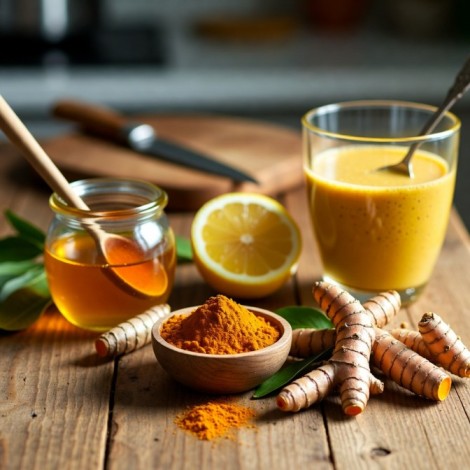
Before starting any herbal supplement, please consult a qualified doctor to ensure it is safe for your health conditions and won’t interfere with any medications. Book Appointment with doctor to know more https://fallego.com/wp-content/uploads/2026/02/grok-video-6bb7dbed-d8ac-41bf-a0a7-b3104b370bcb-1.mp4 1. Turmeric (Haldi) Kya Hai? Turmeric, jise Urdu me Haldi kehte hain, ek golden-yellow spice hai jo qadeem zamane se cooking aur medicine me use hoti aa rahi hai. Scientific name Curcuma longa hai. Haldi ka main active compound Curcumin hai jo anti-inflammatory, antioxidant aur immune-boosting properties ke liye mashhoor hai. India, Pakistan aur Asia ke traditional medicine me Haldi ka use centuries se hota raha hai, aur modern research bhi iske benefits ko confirm karti hai. 2. Top 10 Incredible Turmeric (Haldi) Benefits 2.1 Immunity Boost  Haldi immune system ko strong banati hai. Rozana Haldi use karne se flu, cold aur infections se bachao hota hai. 2.2 Anti-Inflammatory Properties  Curcumin ke zariye Haldi arthritis, joint pain aur body inflammation ko naturally kam karti hai. 2.3 Skin Benefits  Haldi acne, pimples, pigmentation aur dull skin ke liye bohot effective hai. Face mask ya Haldi paste se skin glowing aur healthy hoti hai. 2.4 Digestive Health  Haldi digestion improve karti hai, bloating aur gas kam karti hai aur liver ko detoxify karti hai. 2.5 Heart Health  Haldi blood pressure aur cholesterol ko control karne me madad karti hai aur heart ke liye protective hai. 2.6 Anti-Oxidant & Anti-Cancer Properties  Curcumin ke zariye Haldi free radicals se larne me madad karti hai aur cell damage kam hota hai. 2.7 Hair Benefits  Haldi scalp infections aur dandruff ko reduce karti hai. Hair growth aur shine improve hoti hai. 2.8 Mood & Brain Health  Haldi adaptogenic herb ke taur par brain ko oxidative stress se protect karti hai aur mood uplift me help karti hai. 2.9 Anti-Aging Properties  Haldi skin aur body ke liye anti-aging effect rakhti hai. Fine lines aur wrinkles reduce hoti hain. 2.10 Overall Health & Vitality  Haldi regular use se overall health, immunity aur vitality improve hoti hai. Body stress aur illness ke against strong hoti hai. 3. Turmeric (Haldi) Kaise Use Karein 3.1 Turmeric Powder / Haldi Powder ½ to 1 tsp daily milk, water ya smoothies me Cooking me curries, soups ya dal me 3.2 Turmeric Paste / Haldi Paste Face masks aur skin care ke liye Haldi + honey + lemon mix karke 15 min lagaye aur rinse karein 3.3 Turmeric Capsules / Supplements Market me pre-measured capsules available hain Daily dose doctor ki guidance se follow karein 3.4 Golden Milk / Haldi Doodh Warm milk + ½ tsp Haldi + honey Subah ya raat ko immunity aur health boost ke liye 4. Turmeric (Haldi) Skin Aur Hair Ke Liye 4.1 Skin Care Haldi face mask acne, pimples aur dullness ke liye Mix: Haldi + Honey + Yogurt 15-20 min baad rinse karein 4.2 Hair Care Haldi + Coconut oil scalp massage Dandruff aur hair fall kam hota hai Regular use se bal healthy aur shiny hote hain 5. Turmeric (Haldi) Ke Side Effects Digestive Issues: Zyada use se gas ya acidity ho sakti hai Pregnancy / Breastfeeding: Doctor ki guidance zaroori Blood Thinning: Agar blood thinning medicines le rahi ho to caution Allergic Reaction: Rare cases me rashes ya itching 6. Turmeric Science & Research Curcumin scientifically proven hai anti-inflammatory aur antioxidant effects ke liye Studies ke mutabiq: Immunity aur digestion improve hoti hai Skin aur hair health better hoti hai Heart aur liver function support hota hai Brain aur mood uplift hota hai 7. Popular Combinations of Turmeric Turmeric + Honey: Immunity aur skin glow Turmeric + Milk (Golden Milk): Energy aur digestion boost Turmeric + Ginger: Cold, flu aur inflammation relief

Maca Root
Blog, Fitness, General topics, Life Changing, Nutritionist

10 Incredible Maca Root (Lepidium meyenii) Benefits for Energy, Hormones & Overall Health

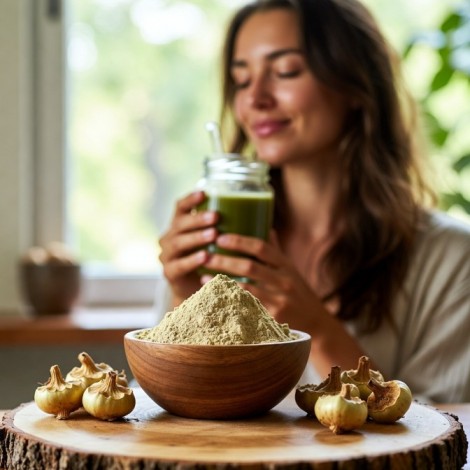
Before starting Maca Root or any herbal supplement, please consult a qualified doctor to ensure it is safe for your health conditions and won’t interfere with any medications. Book Appointment with doctor to know more https://fallego.com/wp-content/uploads/2026/02/grok-video-0b78c9cc-ee5a-476f-9463-5aebc3736c45-1-1.mp4 1.Maca Root (Lepidium meyenii) Kya Hai? Maca Root, ya scientifically Lepidium meyenii, ek Peruvian herb hai jo Andes mountains me grow hoti hai. Isay centuries se energy, stamina aur fertility ke liye use kiya jata raha hai. Maca Root ka nutritional profile bohot rich hai — isme vitamins, minerals, amino acids, antioxidants aur adaptogenic compounds hote hain. Yeh herb body ko natural energy, hormonal balance aur mental focus dene ke liye mashhoor hai. 2. Top 10 Incredible Maca Root Benefits 2.1 Energy Aur Stamina BoostMaca Root rozana use karne se aapki energy aur stamina improve hoti hai. Athletes aur active log isay performance aur endurance ke liye use karte hain. 2.2 Hormonal BalanceMaca Root hormones ko naturally regulate karta hai. Men aur women dono me testosterone aur estrogen balance me help karta hai. 2.3 Libido Aur Sexual HealthMaca Root sexual desire aur fertility ko improve karta hai. Yeh natural aphrodisiac ke taur par bhi use hota hai. 2.4 Mood Aur Mental HealthMaca adaptogenic herb hai jo stress aur anxiety ko kam karta hai. Regular use se mood uplift hota hai aur depression symptoms reduce hote hain. 2.5 Menopause Aur PMS ReliefWomen ke liye, Maca Root menopause aur PMS symptoms jaise hot flashes, mood swings aur cramps me relief provide karta hai. 2.6 Bone HealthMaca Root calcium, magnesium aur zinc se rich hai jo bones ko strong rakhta hai aur osteoporosis ka risk kam karta hai. 2.7 Skin HealthMaca Root antioxidants ke zariye skin ko rejuvenate karta hai. Acne, dull skin aur aging ke signs me improvement dekha gaya hai. 2.8 Muscle Growth & FitnessAthletes aur gym enthusiasts ke liye Maca Root muscle recovery aur growth me help karta hai. Yeh protein synthesis aur energy levels ko boost karta hai. 2.9 Immune System SupportMaca Root immunity boost karta hai aur infections ke against body ki natural defense strengthen karta hai. 2.10 Overall Health & VitalityMaca Root regular use se overall health, vitality aur longevity improve hoti hai. Yeh body ko adapt karne me help karta hai stressful situations me. 3. Maca Root Kaise Use Karein 3.1 Powder Form 1 tsp Maca Root powder daily subah khali pet Smoothies, milk, ya yogurt me mix karke use kar sakte hain 3.2 Capsules / Supplements Market me pre-measured capsules available hain Daily recommended dose doctor ki guidance se follow karein 3.3 Maca Tea / Drinks Maca powder ko garam pani ya herbal tea me mix karke peena Energy aur metabolism boost ke liye ideal hai 3.4 Maca in Food Maca powder ko oatmeal, cereals, ya baked items me sprinkle kar sakte hain Yeh daily diet ka healthy addition hai 4. Maca Root Ke Side Effects Digestive Issues: Zyada dose se gas ya bloating ho sakti hai Thyroid Concerns: Agar thyroid problem hai, doctor se consult karein Pregnancy / Breastfeeding: Doctor guidance zaroori hai Allergic Reaction: Rare cases me skin rashes ya itching 5. Maca Root Science & Research Maca Root ke andar glucosinolates, polyphenols aur macamides hote hain jo scientifically proven health benefits ke liye responsible hain. Research ke mutabiq: Energy aur stamina increase hoti hai Hormonal balance aur libido improve hoti hai Mood aur mental health better hoti hai Muscle recovery aur bone health support hoti hai 6. Popular Combinations of Maca Root Maca Root ke andar glucosinolates, polyphenols aur macamides hote hain jo scientifically proven health benefits ke liye responsible hain. Research ke mutabiq: Energy aur stamina increase hoti hai Hormonal balance aur libido improve hoti hai Mood aur mental health better hoti hai Muscle recovery aur bone health support hoti ha Maca Root (Lepidium meyenii) ek natural aur powerful herb hai jo energy, stamina, hormones, mood, aur overall health ke liye effective hai. Tip: Hamesha recommended dose follow karein aur doctor ki guidance me use karein. Maca Root ko smoothies, milk, ya daily diet me include karna best results deta hai. Book Appointment with doctor to know more

Black Seed (Kalonji)
Blog, Fitness, General topics, Nutritionist

Discover 10 Proven Black Seed (Kalonji) Benefits for Immunity, Skin & Hair.

Before starting Black Seed (Kalonji) or any herbal supplement, please consult a qualified doctor to ensure it is safe for your health conditions and won’t interfere with any medications. Book Appointment with doctor to know more Black Seed (Kalonji) Kya Hai? Black Seed, jise hum Kalonji ke naam se bhi jante hain, ek chhota sa kala beej hai jo qadeem zamane se health aur medicine ke liye use hota aa raha hai. Arabic me ise Habbatul Barakah yaani “Blessings ka Beej” kehte hain. Black Seed ka botanical naam Nigella sativa hai aur iske andar powerful compounds jaise Thymoquinone hote hain jo anti-inflammatory, antioxidant aur immune-boosting properties ke liye mashhoor hain. Yeh beej na sirf traditional medicine me use hota tha balki modern research me bhi iske faiday scientifically proven hain. Top 10 Incredible Black Seed (Kalonji) Benefits 1. Immunity Boost Black Seed (Kalonji) me strong antioxidants aur antibacterial properties hoti hain jo immune system ko strong banati hain. Regular aur balanced use se body infections se better fight karti hai — jaise flu, cold aur seasonal viruses. Yeh body ke defense cells ko support karta hai aur inflammation ko control karne me madad deta hai. 2. Anti-Inflammatory Properties Kalonji me Thymoquinone naam ka compound hota hai jo natural anti-inflammatory agent hai. Yeh joint pain, arthritis, muscle soreness aur body swelling ko reduce karne me help karta hai. Chronic inflammation jo kai diseases ka reason banti hai — usko control karne me bhi support karta hai. 3. Blood Sugar Regulation Research suggest karti hai ke Kalonji insulin sensitivity ko improve kar sakta hai. Iska matlab body sugar ko better utilize karti hai. Yeh diabetes patients me blood glucose levels ko stable rakhne me support de sakta hai — lekin medicine ka replacement nahi hai. Doctor ki guidance zaroori hai. 4. Heart Health Support Black Seed cholesterol levels (especially bad cholesterol – LDL) ko reduce karne aur blood pressure ko control karne me helpful ho sakta hai. Yeh arteries ko flexible aur healthy rakhta hai — jis se heart attack aur cardiovascular problems ka risk kam ho sakta hai. 5. Digestion & Gut Health Agar kisi ko gas, bloating, slow digestion ya stomach discomfort ho — to Kalonji digestion enzymes ko support karta hai. Yeh gut bacteria balance karne me bhi help karta hai, jis se overall digestive system healthy rehta hai. 6. Skin Benefits Black Seed oil anti-bacterial aur anti-inflammatory hone ki wajah se acne, redness, eczema aur skin irritation me useful hota hai. Regular external use se skin moisturized, calm aur glowing lag sakti hai. Yeh skin barrier ko strong karta hai aur dryness kam karta hai. 7. Hair Growth & Scalp Health Kalonji oil scalp circulation improve karta hai — jis se hair follicles strong hote hain. Dandruff, dryness aur hair fall reduce ho sakta hai. Regular scalp massage se bal healthy, thick aur shiny ho sakte hain. 8. Respiratory Health Black Seed lungs ki inflammation kam karne aur breathing ko easy banane me help karta hai. Asthma, allergies aur bronchitis me supportive herbal remedy mana jata hai. Yeh mucus ko loosen karne aur airways ko relax karne me madad karta hai. 9. Antioxidant Support & Cancer Research Black Seed me strong antioxidants hote hain jo free radicals se body ko protect karte hain — jo aging aur diseases ka cause bante hain. Kuch lab research me cancer cell growth slow hone ka indication mila hai — lekin yeh treatment nahi hai aur hamesha doctor supervision zaroori hai. 10. Stress Relief & Hormonal Balance Kalonji stress hormones ko regulate karne me help karta hai. Yeh mood stabilize karta hai aur fatigue kam karne me support karta hai. Kuch logon me energy levels aur mental focus bhi improve hota hai — jis se overall wellbeing better hoti hai. Black Seed (Kalonji) Kaise Use Karein 1. Black Seed Oil (Kalonji Oil) Black Seed oil sab se effective form mani jati hai kyun ke isme active compounds zyada concentrated hote hain.1 teaspoon subah khali pet le sakte ho — direct ya honey / lemon water ke sath. Beginners half teaspoon se start karein. Yeh digestion, immunity aur overall wellness support karta hai. Hamesha pure cold-pressed oil choose karein. 2. Raw Black Seeds Agar oil strong lagta ho to seeds ko daily diet me add karna easy tareeqa hai.Chai, salad, roti, daal, yogurt ya smoothie me sprinkle kar sakte ho. Daily ¼–½ teaspoon enough hota hai. Seeds ko halka crush karne se nutrients better absorb hote hain aur digestion ko support milta hai. 3. Capsules / Supplements Jo log taste ki wajah se oil ya seeds nahi le pate — unke liye capsules best option hain.Measured dose hoti hai aur routine me easy hota hai. Lekin pregnancy, BP ya diabetes patients pehle doctor se consult karein. 4. Black Seed Water ½ teaspoon black seed powder ek glass lukewarm pani me mix karke subah pee sakte ho.Yeh digestion activate karta hai, metabolism support karta hai aur light detox drink ki tarah kaam karta hai. Black Seed (Kalonji) Skin Aur Hair Ke Liye 1. Skin Care Face wash ke baad 2–3 drops black seed oil gently massage karo. Honey ke sath mix karke 10–15 min ka face mask bhi bana sakte ho.Yeh acne, redness aur dryness kam karta hai aur skin ko soft aur glowing banata hai. 2. Hair Care Oil ko halka warm karke scalp me 5–10 min massage karo aur 30–45 min baad shampoo se wash karo.Regular use se dandruff kam hota hai, scalp healthy hota hai aur hair fall reduce ho sakta hai. Black Seed (Kalonji) Ke Side Effects Allergic Reaction: Skin me redness ya itching ho sakti hai Stomach Upset: Zyada dose lene se gas, nausea ya stomach upset Pregnancy / Breastfeeding: Doctor ki guidance zaroori hai Blood Thinning: Agar blood thinning medicines le rahi ho to caution Black Seed Science & Research Black Seed ke andar compounds jaise Thymoquinone aur Nigellone scientifically proven hain Benefits: Blood sugar control Cholesterol aur blood pressure regulation Hormonal balance Digestive health support Popular

hibiscus
Blog, Fitness, General topics, Nutritionist

Hibiscus Complete Guide: Benefits, Uses & How to Use It

What Is Hibiscus? Hibiscus refers to a group of flowering plants from the Hibiscus family. The most commonly used species for health and beauty is Hibiscus sabdariffa — popularly known as roselle or red sorrel. Its deep red petals contain antioxidants, vitamin C, flavonoids, and organic acids that give hibiscus its unique taste and health benefits.People around the world enjoy hibiscus in different forms: as tea, herbal infusions, jams, syrups, skincare extracts, and topical remedies 🧠 Nutritional and Phytochemical Profile Hibiscus petals and leaves contain: Vitamin C — essential for collagen and immunity.  Anthocyanins — powerful antioxidants responsible for the red color and anti‑aging properties.  Flavonoids (quercetin, kaempferol) — reduce inflammation and protect cells.  Organic acids (citric, malic) — help digestion and natural exfoliation.  Amino acids — support hair growth and structure.  🫖Hibiscus Tea: Health Benefits & How to Prepare One of the most popular ways to consume hibiscus is by brewing it into tea — enjoyed hot or cold. Health Benefits of Hibiscus Tea Boosts immunity due to vitamin C and antioxidants.  Helps digestion & reduces bloating. Its natural fruit acids have a gentle digestive effect.  May help lower blood pressure and cholesterol. Hibiscus tea is studied for cardiovascular benefits like reducing high blood pressure and improving cholesterol levels.  Natural hydration & detoxification. The tea supports hydration and helps flush out toxins.  How to Make Hibiscus Tea Hot Tea Boil water. Add 1–2 tsp dried hibiscus petals. Steep 5–10 minutes. Strain and enjoy with honey or lemon.  Cold Hibiscus Infusion (Sun Tea) Add hibiscus to cold water in a jar. Let sit in sunlight 2–6 hours. Strain and serve chilled.  💁‍♀️ Hibiscus for Hair: Grow Stronger & Shinier Hair Hibiscus isn’t just beautiful — it’s a natural hair‑care powerhouse too. The nutrients in hibiscus, including vitamins and amino acids, nourish the scalp and support healthier hair growth. Regular use can help strengthen hair strands, reduce breakage, and improve overall hair texture. Hibiscus can also enhance shine and softness, acting as a natural conditioner. It can help soothe a dry scalp and may contribute to preventing dandruff and dryness. Some people also use hibiscus to help delay premature greying of hair due to its antioxidant properties. There are many ways to use hibiscus in your hair care routine. A hibiscus hair mask can be made by blending fresh hibiscus petals and mixing them with coconut oil or yogurt. This mixture is applied to the scalp and hair for about 30 minutes before rinsing. A hibiscus water rinse involves boiling the petals in water, cooling the infusion, and using it as a final rinse to add shine and smoothness to the hair.   💆‍♀️ Hibiscus for Skin: Benefits & Uses Hibiscus is often called “nature’s botox” because its natural compounds help support healthier, more youthful‑looking skin. Its high antioxidant content helps protect skin from environmental stress and supports elasticity, which may reduce the appearance of fine lines and wrinkles. Hibiscus contains natural acids called alpha‑hydroxy acids (AHAs) that gently exfoliate the skin by removing dead skin cells and promoting cell renewal. This natural exfoliation can help reveal smoother, brighter skin over time. The flower also helps hydrate and moisturize the skin, keeping it soft and supple. Because of its skin‑friendly properties, hibiscus can help even out skin tone and reduce pigmentation or redness. Its anti‑inflammatory and antimicrobial qualities may also aid in controlling acne and calming irritated skin. Many people enjoy using hibiscus in DIY skincare treatments at home. A hibiscus face toner can be made by brewing strong hibiscus tea, letting it cool, and then using it as a refreshing mist. A hibiscus exfoliating mask is created by combining dried hibiscus powder with a natural base like yogurt and applying it to the face for 10–15 minutes before rinsing with lukewarm water. 🍽️ Culinary Uses of Hibiscus  Hibiscus isn’t just for beauty — it’s also popular in food and beverages. Its tart, refreshing flavor makes it an excellent base for teas and cold drinks. Hibiscus petals are also used to make jams and jellies, thanks to their natural pectin, and they can be incorporated into desserts and sauces to add color and tang.   ⚕️ Hibiscus and Women’s Health Hibiscus may offer benefits beyond beauty and culinary uses. It is rich in vitamin C, which can help support iron absorption — particularly useful for women who are prone to anemia. The organic acids in hibiscus can support digestion and help maintain overall wellness. In some traditional practices, hibiscus has been used to support hormonal balance and general female health. ⚖️ Safety, Side Effects & Interactions Hibiscus is generally safe for most people when used in moderation. However, some individuals may experience mild side effects such as stomach upset or bloating when consumed. When applied topically, it’s a good idea to perform a patch test first to check for any allergic reaction or irritation. Hibiscus may also interact with certain medications, especially those for blood pressure or blood sugar, so consulting a healthcare professional is recommended if you are on medication.   🌱 Growing & Storing Hibiscus Hibiscus plants thrive in warm, sunny environments with good soil drainage. They can be grown in pots or garden beds and pruned regularly to encourage more blooms. To store hibiscus for long‑term use, dry the petals thoroughly and keep them in a cool, airtight container away from direct sunlight. Properly dried hibiscus can last for months while retaining its color and benefits. 🧠 Quick Tips & Best Practices For best results, drink hibiscus tea 1–2 cups daily and use fresh ingredients in homemade skincare treatments to maximize their potency. Always patch‑test topical preparations before widespread use to avoid irritation, especially if you have sensitive skin. 🏁 Conclusion Hibiscus is a versatile, natural botanical with benefits that extend beyond beauty. From promoting healthier skin and stronger hair to providing refreshing drinks and culinary delights, this flower offers timeless value supported by both traditional use and modern interest. Whether you enjoy it as tea, a

Blog, General topics, Life Changing, Nutritionist

Clove Benefits — The Ultimate Health, Nutrition & Wellness Guide.

“Before starting Clove (or any herbal supplement), please consult a qualified doctor to ensure it is safe for your health conditions and won’t interfere with any medications.” Book Appointment with doctor to know more Clove – Introduction Cloves are aromatic flower buds from the Syzygium aromaticum tree that have been treasured in kitchens and traditional medicine for centuries. This spice is used globally not only for flavoring curries, teas, and desserts but also for its potent health-promoting properties. In this comprehensive guide, we’ll explore everything you need to know about clove benefits — from nutrition and scientific uses to traditional remedies, cooking tips, and safety precautions. 1. What Are Cloves? Cloves are dried flower buds that come from a tropical evergreen tree native to Indonesia and now cultivated in many parts of the world. The spice has a warm, sweet-spicy flavor and contains several powerful compounds, the most notable of which is eugenol — a compound responsible for many of its health effects. 2. Nutrition Profile of Cloves Although you typically consume cloves in small amounts, they contain nutrients and phytonutrients that contribute to their health benefits. One teaspoon of ground cloves contains small amounts of vitamins and minerals including: Manganese: essential for bone health and enzyme function. Vitamin K: supports metabolic processes. Potassium and beta-carotene: antioxidants that protect cells. Fiber: helps with digestion.  Because cloves are rich in eugenol, flavonoids, and phenolic acids, their antioxidant capacity ranks among the highest of spices. 3. Top Clove Benefits for Health Here are the most important clove benefits that have scientific support or long-standing traditional use: 3.1 Powerful Antioxidant Action Cloves contain high levels of antioxidants that help neutralize damaging free radicals. This oxidative stress is linked to aging and chronic diseases such as heart disease and cancer.  How it helps:✔ Protects cells from damage✔ Reduces oxidative stress✔ Supports overall longevity and wellness 3.2 Reduces Inflammation One of the hallmark clove benefits is the spice’s anti-inflammatory properties. Eugenol and other compounds may help reduce inflammatory markers in the body. Potential outcomes:✔ Reduced joint pain✔ Eased arthritis symptoms✔ Lower risk of long-term inflammation 3.3 Supports Digestive Health Cloves have been traditionally used to improve digestion. They can stimulate digestive enzymes and help relieve common gut issues like gas, bloating, nausea, and indigestion. Ways cloves help digestion:✔ Encourages enzyme secretion✔ Helps reduce gastric irritation✔ Relaxes intestinal muscles for comfort 3.4 May Help Regulate Blood Sugar Some research indicates that clove compounds may assist in regulating blood glucose and improving insulin sensitivity, making them potentially useful for blood sugar control.  While whole cloves are not a replacement for medical treatment, their incorporation into a balanced diet may support blood sugar management as part of a healthy lifestyle.  3.5 Promotes Liver Health Cloves contain compounds that may support liver function by reducing oxidative stress and aiding detoxification pathways.  Health benefits for the liver:✔ Protects liver cells from damage✔ Supports detox processes in the body 3.6 Antimicrobial & Infection-Fighting Effects Cloves have antimicrobial properties, meaning they may help control the growth of harmful bacteria, fungi, and microbes.  This makes them helpful for oral health, food preservation, and immune support. 3.7 Supports Oral & Dental Health Cloves are traditionally used in oral care due to their antiseptic qualities. Chewing cloves or using clove oil can help with bad breath, gum inflammation, and toothache relief.  Why this matters: The numbing effect of eugenol helps reduce dental pain.  3.8 May Aid Metabolic & Heart Health Emerging research suggests cloves may help support cardiovascular health by improving blood cholesterol levels and promoting healthy blood circulation — likely due to their antioxidant and anti-inflammatory effects.  Potential heart benefits:✔ Support for healthy LDL and HDL cholesterol levels✔ Reduced inflammation✔ Improved circulation 3.9 Immune System Support Because cloves have antimicrobial and antiviral compounds, they may help strengthen the body’s defenses against infections and seasonal illnesses when consumed regularly.  3.10 May Support Respiratory Health Clove tea or steam inhalation with cloves may help relieve symptoms of cough, congestion, and sore throat due to anti-inflammatory and soothing qualities.    4. Lesser-Known Clove Benefits While more research is needed for some of the following effects in humans, cloves are also associated with: 4.1 Potential Anticancer Properties Test-tube research suggests compounds in cloves may help inhibit the growth of certain cancer cells. However, human studies are limited and cloves should not be viewed as a treatment on their own. 4.2 Bone Health Support Because cloves contain manganese — a mineral important for bone formation — they may contribute to bone health when eaten as part of a nutrient-rich diet.  4.3 Urinary Tract Health Cloves’ antibacterial and mild diuretic properties may help support urinary health by inhibiting pathogens — though cloves should not replace medical care for infections.  4.4 Skin & Anti-Aging Effects The antioxidant properties of cloves may help protect skin cells from oxidative damage, supporting skin health and potentially reducing signs of aging when part of a balanced antioxidant-rich diet.  4.5 Hair & Scalp Support Though direct clinical evidence is limited, antioxidants and anti-inflammatory compounds in cloves may help maintain scalp health, reduce dandruff, and support overall hair condition when included in a nutritious diet.    5. How to Use Cloves for Maximum Benefits Here’s how you can incorporate cloves into your daily routine in simple, practical ways: 5.1 Clove Tea How to make:Crush 2–3 whole cloves, boil in water for 5–10 minutes, strain, and drink warm.This traditional remedy may support digestion, relieve bloating, and ease respiratory discomfort. 5.2 Cooking with Cloves Add whole or ground cloves to curries, stews, rice, baked goods, teas, and sauces for flavor and wellness support. 5.3 Clove-Infused Water Soak cloves in water overnight and drink the infused water in the morning to help kickstart digestion and metabolism. 5.4 Clove Oil Uses Clove essential oil can be used topically (diluted with a carrier oil) for localized pain relief — such as sore muscles or dental discomfort — but should be used cautiously due to high eugenol concentration.    6. Clove Benefits

Ashwagandha
General topics, Nutritionist

Ashwagandha: Benefits, Uses, Side Effects, Dosage & Complete Guide

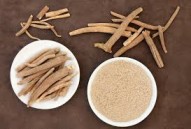
Ashwagandha (Withania somnifera) is an ancient Ayurvedic adaptogen. Adaptogens are herbs that help your body manage stress. In Ayurveda, Ashwagandha has been used for more than 3,000 years for: Stress relief Improving strength and stamina Boosting immunity Balancing hormones Enhancing brain function It is also known as: Indian Ginseng Winter Cherry Asgandh (in Pakistan & India) Its roots and leaves are used to make capsules, powders, gummies, teas, and liquid extracts. Benefits of Ashwagandha (Scientifically Supported) 1. Reduces Stress & Anxiety Naturally Ashwagandha is globally recognized as one of the best natural remedies for stress and anxiety. It works by reducing cortisol, the body’s primary stress hormone. ✔ What Research Says Studies have shown that Ashwagandha can lower stress levels by 30–45% within just 8 weeks. ✔ It Helps With: Anxiety Insomnia caused by stress Emotional restlessness Mild panic symptoms Overthinking and low mood Because of these effects, Ashwagandha is often called a “natural stress shield.” 2. Improves Sleep Quality (Deep Restorative Sleep) Poor sleep is one of the biggest modern health problems. Ashwagandha supports deeper, calmer sleep by relaxing the nervous system. ✔ Helps People Who Face: Difficulty falling asleep Repeated waking at night Light or disturbed sleep Waking up tired Most users notice improvement within 2–4 weeks of regular use. Ashwagandha supports production of GABA, a calming neurotransmitter responsible for peaceful sleep. 3. Boosts Strength, Stamina & Muscle Growth One of the reasons Ashwagandha is extremely popular among athletes, gym enthusiasts, and bodybuilders is its powerful effect on physical performance. ✔ What It Helps Improve: Muscle recovery Strength levels Stamina during workouts Endurance Post-workout fatigu ✔ Research Highlight A clinical study showed up to 20% improvement in strength when Ashwagandha was used daily for 8 weeks. This makes it one of the best natural performance enhancers. 4. Enhances Memory, Focus & Brain Function Ashwagandha is known as a brain-boosting adaptogen. It improves communication between nerve cells and supports long-term cognitive health. ✔ Benefits for the Mind Better concentration Sharper memory Enhanced focus Reduced brain fog Calmer thinking Improved learning ability It nourishes the brain, protects nerve cells, and supports emotional stability. 5. Supports Complete Hormonal Balance Ashwagandha is one of the few natural herbs that helps balance hormones for both men and women. ✔ How It Helps Hormones Reduces cortisol Supports thyroid hormones Strengthens adrenal glands Regulates testosterone Balances estrogen This is why Ashwagandha is used in natural treatments for stress, PCOS, male infertility, thyroid imbalance, and mood disorders. Ashwagandha Benefits for Men Men can especially benefit from Ashwagandha because of its impact on strength, testosterone, fertility, and sexual wellness. 1. Increases Testosterone Levels Scientific research shows that Ashwagandha may raise testosterone levels by 15–20% naturally.Higher testosterone leads to: Better muscle growth Improved mood Enhanced vitality Increased libido 2. Improves Fertility in Men Ashwagandha is traditionally used to support male reproductive health. ✔ It Helps Improve: Sperm count Sperm motility Semen quality Hormonal balance Perfect for men facing stress-related fertility problems. 3. Boosts Muscle Strength Because it improves strength and recovery, Ashwagandha is widely used by: Bodybuilders Strength athletes Fitness trainers Beginners who want rapid progress 4. Enhances Sexual Health Ashwagandha can help with: Low libido Premature ejaculation Erectile weakness due to stress Performance anxiety It increases blood flow and calms the nervous system, improving overall performance. Ashwagandha Benefits for Women Women also experience major benefits due to Ashwagandha’s ability to support hormones, mood, and reproductive health. 1. Balances Female Hormones Ashwagandha can help women experiencing: Irregular periods PMS mood swings Hormonal acne Low energy Stress-related hormonal imbalance A balanced hormonal system leads to improved physical and emotional health. 2. Helpful for PCOS Symptoms While Ashwagandha is not a cure for PCOS, it supports the underlying issues: High stress Weight gain High insulin levels Hormone imbalance It helps improve mood and energy, making PCOS symptoms easier to manage. 3. Improves Sleep & Mood Women facing fatigue, chronic stress, or anxiety often notice: Better sleep quality More energy Emotional stability Calmness 4. Boosts Female Sexual Wellness Stress is the biggest cause of low libido in women.Ashwagandha reduces cortisol and improves blood flow, which helps enhance: Desire Satisfaction Overall sexual wellness How Ashwagandha Works in the Body Ashwagandha is an adaptogen, meaning it helps your body adapt to stress and restores balance naturally. ✔ Regulates Cortisol Lower cortisol = less stress, more calmness, better sleep. ✔ Supports Thyroid Function Helpful for people with low thyroid hormones (hypothyroidism). ✔ Improves Nervous System Function Better sleep Improved focus Reduced anxiety ✔ Increases Blood Flow Supports physical energy and sexual health. ✔ Enhances Mitochondrial Function Mitochondria are the energy powerhouses of your cells → more stamina & strength. Different Forms of Ashwagandha Choose the form that fits your lifestyle: ✔ Capsules / Tablets Most convenient and commonly used. ✔ Powder (Churna) Traditional herbal form, best taken with warm milk or water. ✔ Gummies Easy and tasty option for beginners. ✔ Tea Helps with relaxation and sleep. ✔ Liquid Extract Fast absorption, great for quick effect. Recommended Ashwagandha Dosage Here are science-backed general guidelines: 1. Capsules / Tablets ✔ 300–600 mg per day✔ Take at night for sleep✔ Take twice daily for stress/anxiety 2. Powder (Churna) ✔ ½ to 1 teaspoon✔ Take with warm water or milk at night 3. Gummies ✔ Follow brand instructions✔ Usually 1–2 gummies daily 4. Liquid Extract ✔ 10–20 drops depending on strength When Should You Take Ashwagandha? Choose based on your goal: ✔ For Stress & Anxiety → Morning + evening ✔ For Better Sleep → Night only ✔ For Gym Performance & Strength → Morning before workout ✔ For Women’s Hormonal Balance → Anytime with food How Long Does Ashwagandha Take to Work? You may notice: 1 week: Improved sleep 2–3 weeks: Less stress & anxiety 4–6 weeks: Better strength, mood & hormones 8 weeks: Full benefits Consistency is the key. Side Effects of Ashwagandha (Rare but Possible) Most people tolerate Ashwagandha very well. However, high doses may cause: Upset stomach Nausea Drowsiness Mild headache  Who

Moringa
Nutritionist, General topics

Moringa – A “Miracle Tree” for Nutrition, Health, and More

“Before starting Moringa (or any herbal supplement), please consult a qualified doctor to ensure it is safe for your health conditions and won’t interfere with any medications.” Book Appointment with doctor to know more Moringa oleifera — commonly known simply as moringa Introduction: Why Moringa Is Called a “Miracle Tree” Moringa oleifera — commonly called moringa — is a fast‑growing, drought‑resistant tree native to South Asia (including regions like Pakistan, India, etc.), now cultivated widely in many parts of the world including our own region. Almost every part of the tree — leaves, pods, seeds, flowers — is edible or usable in some form, which makes moringa uniquely versatile compared to many other plants. People often refer to moringa as a “superfood” or “miracle tree,” because its leaves (fresh or dried) and other parts are densely packed with nutrients. For communities with limited access to a diverse diet, moringa can provide a low‑cost, sustainable source of essential vitamins, minerals, protein and antioxidants. Given the growing interest in natural and organic living, especially in places like Karachi — where you have a strong interest in homemade and natural products — moringa holds significant promise not only as a nutritional supplement but also as a natural ingredient with many potential uses. Nutritional Profile — What Moringa Offers The leaves of moringa (fresh or dried) are particularly rich in a wide spectrum of nutrients. Its nutrient composition includes proteins, vitamins, minerals, antioxidants, dietary fiber, and more. Key Nutrients & Their Significance Proteins & Amino Acids:Moringa leaves are a good plant-based source of protein, making them useful for vegetarians or anyone needing to supplement diets low in animal protein. Vitamins Vitamin A (beta-carotene):Supports eye health, skin, and immunity. Vitamin C:Strengthens the immune system, enhances iron absorption, and provides antioxidant protection. B-Vitamins (B1, B2, B3, B6, folate, etc.):Crucial for energy metabolism, nervous system function, and overall cellular health. Vitamin E and other antioxidants:Help protect the body against oxidative stress and free-radical damage. Minerals Calcium:Essential for strong bones and teeth. Iron:Important for blood health, energy, and preventing anemia. Potassium, Magnesium, Zinc, and other trace minerals:Support nerve transmission, muscle function, immune health, and various metabolic processes. Antioxidants & Phytonutrients Moringa contains flavonoids, phenolics, carotenoids, and other bioactive compounds that help neutralize free radicals, reduce oxidative stress, and contribute to long-term health benefits. Fiber & Healthy Macronutrients Moringa leaves offer dietary fiber for digestion, along with a nourishing balance of carbohydrates, proteins, and small amounts of healthy fats. Because of this nutrient-dense profile, moringa is a powerful addition to daily meals—especially for diets lacking variety or for individuals wanting to enhance overall nutrition without relying solely on expensive foods or supplements. Potential Health Benefits of Moringa Due to its rich nutrient and antioxidant content, moringa is associated with multiple potential health benefits. While not all are conclusively proven, many studies and traditional uses highlight its promise in the following areas: Antioxidant & Anti‑Inflammatory EffectsMoringa leaves contain antioxidant compounds and anti‑inflammatory phytochemicals that help neutralize harmful free radicals in the body. This protective effect may contribute to reducing oxidative stress, which is linked to chronic illnesses such as heart disease, diabetes, and degenerative conditions. Nutrient Supplementation & Combating MalnutritionBecause moringa is rich in vitamins, minerals, proteins, and other nutrients, it can be used as a natural supplement to improve nutrition — especially helpful in communities or households with limited access to a variety of foods. Regular use can help address deficiencies such as low iron, calcium, or protein intake. Support for Blood Sugar & Metabolic HealthSome evidence suggests that moringa leaf extracts or powders may help in regulating blood sugar levels and improving glucose metabolism. This could have implications for managing or preventing diabetes, particularly in diets prone to high carbohydrate intake. Heart Health and Cholesterol / Lipid ProfileMoringa may help improve cardiovascular health by supporting healthy lipid profiles, potentially lowering harmful cholesterol and triglycerides while supporting beneficial cholesterol levels — when used as part of a balanced lifestyle. Immune Support, General Wellness & VitalityThe combination of vitamins, minerals, proteins, and antioxidants in moringa supports general immune function. It may help maintain healthy skin, bones, and organ function, and contribute to overall energy levels and resilience — which is particularly helpful for people with busy lifestyles or limited dietary variety. How to Use Moringa — Practical Ideas & Traditional Uses Moringa is versatile and can be used in multiple ways depending on what’s available and convenient: Fresh leaves cooked as a vegetable — like spinach or other leafy greens. Leaves dried and ground into powder — added to bread dough (roti/paratha), soups, salads, yogurt, or buttermilk. As herbal tea — dry leaves steeped in hot water (optionally with lemon or honey). Mixed in smoothies or shakes — a teaspoon of moringa powder gives a nutritional boost. Occasionally seeds or pods, if available and properly prepared — though leaves are the most commonly used and studied part. Because moringa adapts well to warm and dry climates, it can be grown in home gardens (where climate permits), offering a low‑cost, sustainable source of nutrition. Cautions, Limitations & What to Know While many benefits are promising, not all claims are conclusively proven. Some beneficial effects — such as for blood sugar control or heart disease prevention — are still under investigation. Moringa should not be seen as a “miracle cure.” Moringa leaves may contain antinutrients that can interfere with absorption of some minerals; thus, nutrient intake and absorption may vary depending on diet and preparation. As with any supplement or potent food, moderation matters. Excessive intake — especially via concentrated powders or extracts — may cause digestive issues or interact adversely with certain health conditions or medications. Avoid relying solely on moringa for nutrition. It works best as a supplement to a balanced diet, not as a replacement.

Chia Seeds
Blog, Nutritionist

Chia Seeds in Urdu: Benefits, Uses, and Nutritional Value (چیا کے بیج کے فوائد اور استعمال)

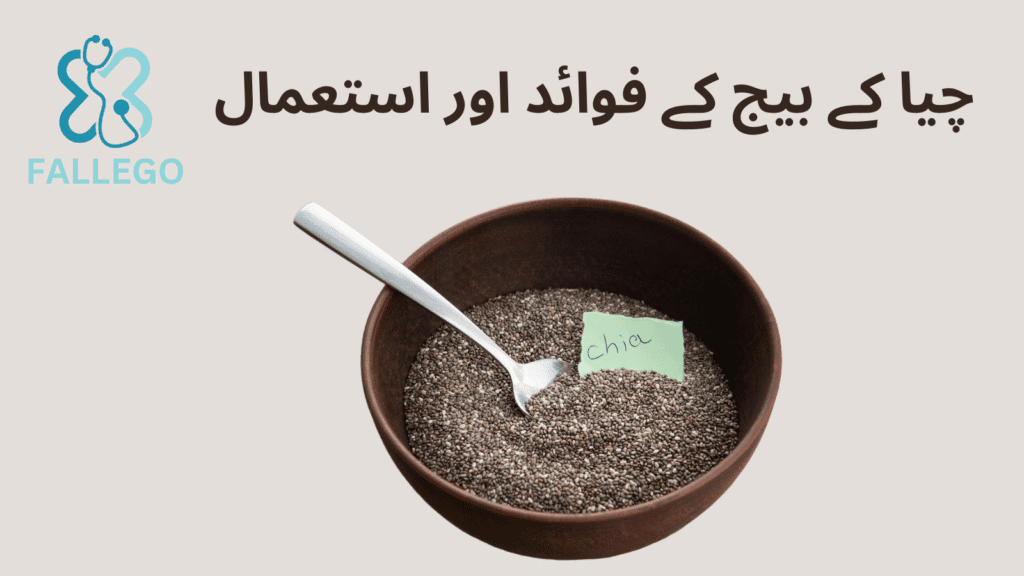
Chia Seeds ek qudrati superfood hain jo sehat ke liye be-shumar faide rakhte hain. Ye chotay chotay beej qadeem zamane se insani ghiza ka hissa rahe hain, lekin aaj kal in ki maqbooliyat bohat barh chuki hai. Chia Seeds fiber, omega-3 fatty acids, protein aur antioxidants se bharpoor hotay hain, jo inhein sehat ke liye bohat mufeed banate hain. Is article mein hum Chia Seeds ke faide, istemal aur ghizai ahmiyat par tafseel se baat karein ge taake aap inhein apni rozana diet mein shamil kar saken. What are Chia Seeds? (Chia Seeds kya hain?) Chia Seeds aik qisam ke beej hain jo Salvia Hispanica naam ke poda se hasil hotay hain. Ye beej ghizaiyat se bharpoor hotay hain aur in mein fiber, protein, omega-3 fatty acids, calcium, magnesium aur antioxidants ki miqdaar kaafi zyada hoti hai. Chia Seeds ko superfood is liye kaha jata hai kyun ke ye sehat ke liye bohat zyada faida mand hotay hain aur in ka istemal jism ko energy aur taqat deta hai. Health Benefits of Chia Seeds (Chia Seeds ke sehat ke faide) Chia Seeds ke kai sehat bakhsh faide hain, jin mein se kuch yeh hain: Hazmay ke liye mufeed: Chia Seeds mein fiber bohat zyada hota hai jo hazma behtar banata hai aur qabz se bachata hai. Dil ki sehat ke liye: Omega-3 fatty acids dil ko sehatmand rakhte hain aur cholesterol kam karne mein madad dete hain. Wazan kam karne mein madadgar: Chia Seeds pait bharne ka ehsaas dete hain jis se be-waqt bhook kam hoti hai aur wazan control rehta hai. Haddiyon ki mazbooti: Calcium, magnesium aur phosphorus ki wajah se haddiyan mazboot hoti hain. Energy ka behtareen zariya: Chia Seeds jism ko mustaqil energy dete hain jo din bhar active rakhte hain. Blood sugar control: Ye beej blood sugar level ko stable rakhne mein madad karte hain, jo diabetes ke mareezon ke liye mufeed hai. How to Use Chia Seeds (Chia Seeds ka istemal kaise karein?) Chia Seeds ko rozana diet mein shamil karna bohat asaan hai. Kuch mashhoor tareeqay yeh hain: Smoothies mein: 1 khanay ka chamach Chia Seeds smoothie mein mila kar peen. Dahi ya oats ke sath: Dahi ya oats par Chia Seeds chhirak kar khayen. Anday ke badal ke taur par: Baking mein Chia Seeds ko pani mein bhigo kar gel bana kar anday ki jagah use karein. Meethay pakwan mein: Chia Seeds pudding, cake ya energy bars mein shamil karein. Pani ya juice mein: Chia Seeds ko pani ya juice mein bhigo kar peena bohat faida mand hota hai. Nutritional Value of Chia Seeds (Chia Seeds ki ghizai ahmiyat) Chia Seeds ghizaiyat ka khazana hain. 28 gram Chia Seeds mein taqreeban: 11 gram fiber 4 gram protein 9 gram fat (zyada tar omega-3 fatty acids) 18% calcium 30% magnesium 27% phosphorus Ye tamam ghizai ajza jism ko sehatmand rakhne mein aham kirdar ada karte hain. Precautions and Side Effects (Ehtiyaati tadabeer aur nuqsanaat) Chia Seeds khatay waqt kuch ehtiyaat zaroori hai: Had se zyada istemal se pait phoolna ya hazmay ke masail ho sakte hain. Agar nigalne mein mushkil ho to Chia Seeds ko pehle bhigo kar khayen. Chia Seeds ke sath pani zyada piyen taake hazma theek rahe. Frequently Asked Questions (FAQs) Chia Seeds khanay ka behtareen waqt kya hai? Chia Seeds kisi bhi waqt khaye ja sakte hain, lekin subah nashtay mein khana zyada faida mand hota hai. 2. Kya Chia Seeds wazan kam karne mein madad karte hain? Ji haan, Chia Seeds fiber se bharpoor hotay hain jo pait bharne ka ehsaas dete hain aur wazan kam karne mein madadgar hotay hain. 3. Chia Seeds kitni miqdaar mein khanay chahiye? Rozana 1 se 2 chamach Chia Seeds ka istemal kaafi hota hai. 4. Kya Chia Seeds bachon ke liye mehfooz hain? Ji haan, lekin bachon ko dene se pehle doctor se mashwara zaroor karein. Conclusion Chia Seeds (Chia Seeds in Roman Urdu) sehat ke liye bohat faida mand hain aur inhein rozana ghiza ka hissa banana bohat asaan hai. Ye beej hazma, dil aur haddiyon ki sehat behtar banate hain, sath hi wazan kam karne aur energy barhane mein madad dete hain. Agar aap Chia Seeds ko apni diet mein shamil karna chahte hain to doctor ya nutrition expert se mashwara zaroor karein. Sehatmand zindagi ke liye aaj hi Chia Seeds ka istemal shuru karein aur in ke faidon se faida uthayein.

health benefits of Paragis grass
Blog, Nutritionist

Health Benefits of Paragis Grass: A Natural Herbal Remedy

Introduction Paragis grass, scientifically known as Eleusine indica, is a wild plant commonly found in tropical and subtropical regions. Though often considered a weed, it has been used in traditional medicine for centuries due to its remarkable healing properties. Herbal practitioners across different cultures recognize its potential in treating various ailments. This article explores the numerous health benefits of Paragis grass, its medicinal properties, and how it can be used safely. Nutritional and Medicinal Properties of Paragis Grass Paragis grass contains various bioactive compounds that contribute to its medicinal benefits. Some of its key components include: Antioxidants – Help fight free radicals that cause cell damage. Flavonoids and Tannins – Known for their anti-inflammatory and antimicrobial effects. Alkaloids – Have therapeutic properties that aid in various health conditions. Silica and Minerals – Support overall bodily functions, including kidney health and blood circulation. These compounds make Paragis grass a powerful herbal remedy with various health benefits. When consumed regularly in appropriate amounts, it can be a natural supplement to enhance overall well-being. Key Health Benefits of Paragis Grass 1. Boosts the Immune System The antioxidants in Paragis grass help enhance the immune system by protecting the body against harmful pathogens. Regular consumption of Paragis grass tea can help strengthen the body’s defenses, reducing the risk of infections. This is particularly beneficial for individuals prone to frequent colds, flu, and other viral illnesses. 2. Regulates Blood Pressure One of the well-known health benefits of Paragis grass is its ability to regulate blood pressure. Its natural diuretic properties help remove excess salt and water from the body, which in turn lowers blood pressure and improves cardiovascular health. High blood pressure is a common health concern worldwide, and using Paragis grass as a natural remedy may help prevent complications such as heart disease and stroke. 3. Aids in Kidney Health Paragis grass is a natural diuretic, promoting urine production and helping flush toxins. This benefits individuals suffering from urinary tract infections (UTIs) and kidney-related issues like kidney stones. Cleaning the urinary system naturally can prevent harmful bacteria from accumulating, reducing the likelihood of infections. 4. Supports Digestive Health Consuming Paragis grass can help digestion by preventing constipation and promoting regular bowel movements. Its natural fiber content supports gut health, reducing bloating and indigestion. Additionally, the antimicrobial properties of Paragis grass may help combat harmful bacteria in the digestive system, reducing the risk of stomach infections and food poisoning. 5. Manages Diabetes Research suggests that Paragis grass may help regulate blood sugar levels. Its natural compounds can aid in reducing glucose absorption, making it a potential herbal remedy for diabetes management. People with Diabetes can incorporate Paragis grass into their diet as a tea or juice to support their overall health. However, it is advisable to monitor blood sugar levels regularly and consult a doctor before relying on herbal remedies. 6. Promotes Skin and Hair Health Paragis grass is often used in traditional remedies for treating skin conditions like eczema, rashes, and wounds. The antibacterial and anti-inflammatory properties help in healing skin infections and preventing further complications. Additionally, it is beneficial for hair health. Many herbal enthusiasts use Paragis grass-infused water as a natural hair rinse to strengthen hair strands, reduce dandruff, and prevent hair fall. With its rich mineral content, it nourishes the scalp and promotes healthy hair growth. 7. Provides Anti-inflammatory Effects The anti-inflammatory properties of Paragis grass make it effective in alleviating joint pain and arthritis. Applying a poultice made from crushed Paragis grass leaves on swollen areas can provide relief from pain and inflammation. This makes it a useful natural remedy for those suffering from chronic inflammatory conditions such as osteoarthritis and rheumatoid arthritis. Additional Health Benefits of Paragis Grass Aside from the major health benefits mentioned, Paragis grass has also been linked to other medicinal uses, such as: Acting as a natural detoxifier – Helps cleanse the body of toxins, improving liver function. Reducing fever and infections – Traditional healers use it to lower body temperature during fevers. Improving reproductive health – Some cultures believe it enhances fertility and menstrual cycle regulation. Relieving asthma and respiratory conditions – The anti-inflammatory effects may help ease breathing difficulties. How to Use Paragis Grass for Health Benefits There are several ways to incorporate Paragis grass into your health routine: Paragis Grass Tea – Boil fresh or dried Paragis grass in water for 10-15 minutes and drink as tea. Poultice for Skin Treatments – Crush the leaves and apply them directly to affected skin areas. Hair Wash – Rinse hair with Paragis grass-infused water to strengthen hair strands. Juice Extract – Blend fresh Paragis grass with water and strain the juice for consumption. For best results, ensure that the grass is thoroughly washed before use, especially if collected from outdoor environments. Potential Side Effects and Precautions While Paragis grass offers numerous health benefits, it is essential to take precautions: Some individuals may experience allergic reactions. A patch test is recommended before topical application. Pregnant and breastfeeding women should consult a healthcare provider before using Paragis grass. Overconsumption may cause mild digestive issues; therefore, it is best to take it in moderation. Those with pre-existing medical conditions should consult a healthcare professional before incorporating it into their routine. Conclusion The health benefits of Paragis grass make it a valuable herbal remedy for various health conditions, from boosting immunity to supporting kidney health and managing Diabetes. With its natural medicinal properties, Paragis grass serves as an excellent alternative treatment for those seeking holistic healing. However, as with any herbal remedy, it is essential to use it responsibly and consult a healthcare professional if necessary. Embrace the natural healing power of Paragis grass and explore its potential benefits for a healthier lifestyle! By incorporating it into your daily routine, you can experience its positive effects and enhance your overall well-being. Whether used as tea, a topical treatment, or a hair rinse, Paragis grass is truly a versatile and beneficial plant worth considering in natural medicine.

Why Is a Burger Junk Food?
Blog, Nutritionist

Why Is a Burger Junk Food?

Introduction Burgers are one of the most popular fast-food items worldwide, loved for their delicious taste, convenience, and affordability. Found in fast-food chains, diners, and even home kitchens, burgers are often a go-to meal for many people. However, despite their widespread appeal, burgers are frequently categorized as junk food. But why is a burger junk food? The answer lies in its ingredients, preparation methods, and nutritional value. While some burgers can be nutritious, most fast-food varieties contain high calories, unhealthy fats, sodium, and processed ingredients. In this article, we will explore what qualifies as junk food, the nutritional breakdown of a typical burger, the health risks associated with burgers, and how to make healthier alternatives. What Qualifies as Junk Food? Junk food refers to foods high in calories, fat, sugar, and salt but low in essential nutrients like fiber, vitamins, and minerals. These foods are often highly processed, containing artificial additives, preservatives, and unhealthy trans fats. Common examples of junk food include: Fast food items (burgers, fries, hot dogs, and pizza) Sugary snacks (candy, pastries, donuts) Salty snacks (potato chips, nachos) Soft drinks and processed beverages (soda, energy drinks) Junk food is often linked to health problems such as obesity, heart disease, diabetes, and high blood pressure. Because burgers are typically loaded with processed ingredients, unhealthy fats, and excessive calories, they fall into the junk food category. Nutritional Breakdown of a Typical Burger To understand why a burger is junk food, let’s take a closer look at the nutritional composition of a standard fast-food burger. 1. Bun (Refined Carbs) Most fast-food burgers use white bread buns, which are made from refined flour. These buns are low in fiber and nutrients, causing blood sugar spikes. Refined carbs also contribute to weight gain and increased hunger, leading to overeating. 2. Beef Patty (High in Saturated Fat) The beef patty is often made from processed or fatty cuts of meat, which are high in saturated fat and cholesterol. Some fast-food chains also use preservatives and fillers in their patties to enhance flavor and increase shelf life. 3. Cheese (High in Fat and Sodium) Cheese adds a creamy texture to a burger but is high in saturated fat, sodium, and calories. Regularly consuming processed cheese can lead to high cholesterol and high blood pressure. 4. Sauces and Condiments (High in Sugar and Additives) Many burgers come with mayonnaise, ketchup, and other sauces that contain high amounts of added sugar, preservatives, and unhealthy fats. These sauces significantly increase the calorie count and contribute to poor heart health. 5. Fries and Soda (Extra Junk Calories) Burgers are often paired with fries and soda, which further increase the meal’s calorie count. French fries are deep-fried in unhealthy oils high in trans fats. Sodas and sugary drinks contain large amounts of added sugar, increasing the risk of diabetes and obesity. A typical fast-food burger meal (burger, fries, and soda) can contain 1,000–1,500 calories, far exceeding the recommended intake for a balanced meal. Why Is a Burger Junk Food? So, why is a burger junk food? Here are the main reasons: 1. High Caloric Content Most fast-food burgers contain excessive calories due to large portions, fatty meats, and calorie-dense toppings. Regular consumption of high-calorie meals contributes to weight gain and obesity. 2. Unhealthy Fats and Sodium Burgers are loaded with saturated fats and trans fats, which can lead to heart disease and high cholesterol. The high sodium content in the patty, cheese, and sauces can cause high blood pressure and increase the risk of strokes. 3. Processed Ingredients Most fast-food burgers contain processed meats, artificial flavors, and preservatives to enhance taste and shelf life. These ingredients have been linked to inflammation, digestive issues, and even cancer. 4. Lack of Nutritional Value A standard burger is low in fiber, vitamins, and minerals, making it a poor dietary choice. Fiber is essential for digestion and gut health, yet most burgers lack any significant fiber content. Are All Burgers Junk Food? Not all burgers are unhealthy. A homemade or carefully prepared burger can be a nutritious meal if made with high-quality, whole ingredients. Here’s how: 1. Use Whole-Grain Buns Instead of refined white buns, opt for whole-grain or whole-wheat buns, rich in fiber and essential nutrients. 2. Choose Lean Protein Replace fatty beef patties with: Lean ground turkey or chicken Grilled fish Plant-based patties (made from beans, lentils, or mushrooms) 3. Add Fresh Vegetables Increase the nutritional value of your burger by adding lettuce, tomatoes, onions, cucumbers, and avocados, which provide essential vitamins, minerals, and fiber. 4. Limit High-Calorie Sauces Swap high-calorie condiments like mayonnaise with Greek yogurt-based dressings, mustard, or homemade salsa to keep the meal healthier. 5. Choose Healthier Sides Instead of fries and soda, pair your burger with: A fresh salad Baked sweet potato fries Infused water or fresh juice By making these simple changes, you can enjoy a burger without being classified as junk food. Health Risks Associated with Junk Food Burgers Regularly eating junk food burgers can lead to several serious health risks, including: 1. Obesity Fast-food burgers are high in calories and unhealthy fats, making them a major contributor to weight gain and obesity. 2. Heart Disease Burgers contain high amounts of saturated fats and cholesterol, which can increase the risk of heart disease and strokes. 3. Diabetes The high sugar content in sauces and soft drinks paired with refined carbs from the bun can increase the risk of type 2 diabetes. 4. Digestive Issues Burgers are low in fiber, leading to digestive problems like constipation and bloating. Conclusion So, why is a burger junk food? The answer lies in its high-calorie content, unhealthy fats, processed ingredients, and low nutritional value. Fast-food burgers contribute to serious health risks, including obesity, heart disease, and diabetes. However, not all burgers have to be unhealthy. By choosing whole, fresh ingredients and preparing burgers at home, you can enjoy a nutritious and balanced meal. Instead of avoiding burgers completely, make healthier choices that align with a well-balanced diet.

Scroll to Top