fallego

General topics

Turmeric
Blog, Fitness, General topics, Life Changing, Nutritionist

10 Incredible Turmeric (Haldi) Benefits for Health, Skin & Immunity

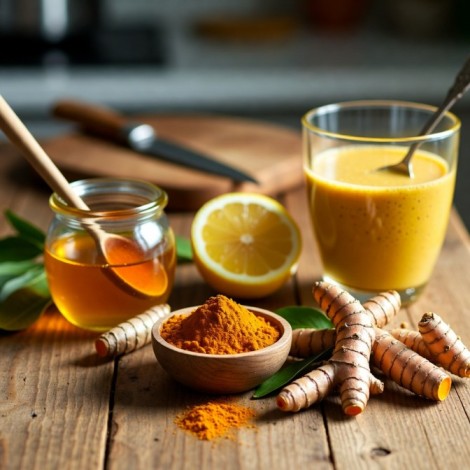
Before starting any herbal supplement, please consult a qualified doctor to ensure it is safe for your health conditions and won’t interfere with any medications. Book Appointment with doctor to know more https://fallego.com/wp-content/uploads/2026/02/grok-video-6bb7dbed-d8ac-41bf-a0a7-b3104b370bcb-1.mp4 1. Turmeric (Haldi) Kya Hai? Turmeric, jise Urdu me Haldi kehte hain, ek golden-yellow spice hai jo qadeem zamane se cooking aur medicine me use hoti aa rahi hai. Scientific name Curcuma longa hai. Haldi ka main active compound Curcumin hai jo anti-inflammatory, antioxidant aur immune-boosting properties ke liye mashhoor hai. India, Pakistan aur Asia ke traditional medicine me Haldi ka use centuries se hota raha hai, aur modern research bhi iske benefits ko confirm karti hai. 2. Top 10 Incredible Turmeric (Haldi) Benefits 2.1 Immunity Boost  Haldi immune system ko strong banati hai. Rozana Haldi use karne se flu, cold aur infections se bachao hota hai. 2.2 Anti-Inflammatory Properties  Curcumin ke zariye Haldi arthritis, joint pain aur body inflammation ko naturally kam karti hai. 2.3 Skin Benefits  Haldi acne, pimples, pigmentation aur dull skin ke liye bohot effective hai. Face mask ya Haldi paste se skin glowing aur healthy hoti hai. 2.4 Digestive Health  Haldi digestion improve karti hai, bloating aur gas kam karti hai aur liver ko detoxify karti hai. 2.5 Heart Health  Haldi blood pressure aur cholesterol ko control karne me madad karti hai aur heart ke liye protective hai. 2.6 Anti-Oxidant & Anti-Cancer Properties  Curcumin ke zariye Haldi free radicals se larne me madad karti hai aur cell damage kam hota hai. 2.7 Hair Benefits  Haldi scalp infections aur dandruff ko reduce karti hai. Hair growth aur shine improve hoti hai. 2.8 Mood & Brain Health  Haldi adaptogenic herb ke taur par brain ko oxidative stress se protect karti hai aur mood uplift me help karti hai. 2.9 Anti-Aging Properties  Haldi skin aur body ke liye anti-aging effect rakhti hai. Fine lines aur wrinkles reduce hoti hain. 2.10 Overall Health & Vitality  Haldi regular use se overall health, immunity aur vitality improve hoti hai. Body stress aur illness ke against strong hoti hai. 3. Turmeric (Haldi) Kaise Use Karein 3.1 Turmeric Powder / Haldi Powder ½ to 1 tsp daily milk, water ya smoothies me Cooking me curries, soups ya dal me 3.2 Turmeric Paste / Haldi Paste Face masks aur skin care ke liye Haldi + honey + lemon mix karke 15 min lagaye aur rinse karein 3.3 Turmeric Capsules / Supplements Market me pre-measured capsules available hain Daily dose doctor ki guidance se follow karein 3.4 Golden Milk / Haldi Doodh Warm milk + ½ tsp Haldi + honey Subah ya raat ko immunity aur health boost ke liye 4. Turmeric (Haldi) Skin Aur Hair Ke Liye 4.1 Skin Care Haldi face mask acne, pimples aur dullness ke liye Mix: Haldi + Honey + Yogurt 15-20 min baad rinse karein 4.2 Hair Care Haldi + Coconut oil scalp massage Dandruff aur hair fall kam hota hai Regular use se bal healthy aur shiny hote hain 5. Turmeric (Haldi) Ke Side Effects Digestive Issues: Zyada use se gas ya acidity ho sakti hai Pregnancy / Breastfeeding: Doctor ki guidance zaroori Blood Thinning: Agar blood thinning medicines le rahi ho to caution Allergic Reaction: Rare cases me rashes ya itching 6. Turmeric Science & Research Curcumin scientifically proven hai anti-inflammatory aur antioxidant effects ke liye Studies ke mutabiq: Immunity aur digestion improve hoti hai Skin aur hair health better hoti hai Heart aur liver function support hota hai Brain aur mood uplift hota hai 7. Popular Combinations of Turmeric Turmeric + Honey: Immunity aur skin glow Turmeric + Milk (Golden Milk): Energy aur digestion boost Turmeric + Ginger: Cold, flu aur inflammation relief

Maca Root
Blog, Fitness, General topics, Life Changing, Nutritionist

10 Incredible Maca Root (Lepidium meyenii) Benefits for Energy, Hormones & Overall Health

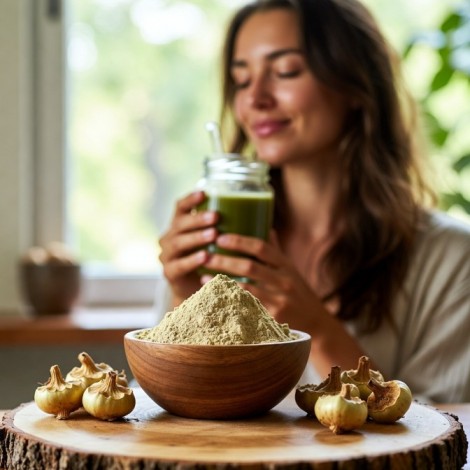
Before starting Maca Root or any herbal supplement, please consult a qualified doctor to ensure it is safe for your health conditions and won’t interfere with any medications. Book Appointment with doctor to know more https://fallego.com/wp-content/uploads/2026/02/grok-video-0b78c9cc-ee5a-476f-9463-5aebc3736c45-1-1.mp4 1.Maca Root (Lepidium meyenii) Kya Hai? Maca Root, ya scientifically Lepidium meyenii, ek Peruvian herb hai jo Andes mountains me grow hoti hai. Isay centuries se energy, stamina aur fertility ke liye use kiya jata raha hai. Maca Root ka nutritional profile bohot rich hai — isme vitamins, minerals, amino acids, antioxidants aur adaptogenic compounds hote hain. Yeh herb body ko natural energy, hormonal balance aur mental focus dene ke liye mashhoor hai. 2. Top 10 Incredible Maca Root Benefits 2.1 Energy Aur Stamina BoostMaca Root rozana use karne se aapki energy aur stamina improve hoti hai. Athletes aur active log isay performance aur endurance ke liye use karte hain. 2.2 Hormonal BalanceMaca Root hormones ko naturally regulate karta hai. Men aur women dono me testosterone aur estrogen balance me help karta hai. 2.3 Libido Aur Sexual HealthMaca Root sexual desire aur fertility ko improve karta hai. Yeh natural aphrodisiac ke taur par bhi use hota hai. 2.4 Mood Aur Mental HealthMaca adaptogenic herb hai jo stress aur anxiety ko kam karta hai. Regular use se mood uplift hota hai aur depression symptoms reduce hote hain. 2.5 Menopause Aur PMS ReliefWomen ke liye, Maca Root menopause aur PMS symptoms jaise hot flashes, mood swings aur cramps me relief provide karta hai. 2.6 Bone HealthMaca Root calcium, magnesium aur zinc se rich hai jo bones ko strong rakhta hai aur osteoporosis ka risk kam karta hai. 2.7 Skin HealthMaca Root antioxidants ke zariye skin ko rejuvenate karta hai. Acne, dull skin aur aging ke signs me improvement dekha gaya hai. 2.8 Muscle Growth & FitnessAthletes aur gym enthusiasts ke liye Maca Root muscle recovery aur growth me help karta hai. Yeh protein synthesis aur energy levels ko boost karta hai. 2.9 Immune System SupportMaca Root immunity boost karta hai aur infections ke against body ki natural defense strengthen karta hai. 2.10 Overall Health & VitalityMaca Root regular use se overall health, vitality aur longevity improve hoti hai. Yeh body ko adapt karne me help karta hai stressful situations me. 3. Maca Root Kaise Use Karein 3.1 Powder Form 1 tsp Maca Root powder daily subah khali pet Smoothies, milk, ya yogurt me mix karke use kar sakte hain 3.2 Capsules / Supplements Market me pre-measured capsules available hain Daily recommended dose doctor ki guidance se follow karein 3.3 Maca Tea / Drinks Maca powder ko garam pani ya herbal tea me mix karke peena Energy aur metabolism boost ke liye ideal hai 3.4 Maca in Food Maca powder ko oatmeal, cereals, ya baked items me sprinkle kar sakte hain Yeh daily diet ka healthy addition hai 4. Maca Root Ke Side Effects Digestive Issues: Zyada dose se gas ya bloating ho sakti hai Thyroid Concerns: Agar thyroid problem hai, doctor se consult karein Pregnancy / Breastfeeding: Doctor guidance zaroori hai Allergic Reaction: Rare cases me skin rashes ya itching 5. Maca Root Science & Research Maca Root ke andar glucosinolates, polyphenols aur macamides hote hain jo scientifically proven health benefits ke liye responsible hain. Research ke mutabiq: Energy aur stamina increase hoti hai Hormonal balance aur libido improve hoti hai Mood aur mental health better hoti hai Muscle recovery aur bone health support hoti hai 6. Popular Combinations of Maca Root Maca Root ke andar glucosinolates, polyphenols aur macamides hote hain jo scientifically proven health benefits ke liye responsible hain. Research ke mutabiq: Energy aur stamina increase hoti hai Hormonal balance aur libido improve hoti hai Mood aur mental health better hoti hai Muscle recovery aur bone health support hoti ha Maca Root (Lepidium meyenii) ek natural aur powerful herb hai jo energy, stamina, hormones, mood, aur overall health ke liye effective hai. Tip: Hamesha recommended dose follow karein aur doctor ki guidance me use karein. Maca Root ko smoothies, milk, ya daily diet me include karna best results deta hai. Book Appointment with doctor to know more

Black Seed (Kalonji)
Blog, Fitness, General topics, Nutritionist

Discover 10 Proven Black Seed (Kalonji) Benefits for Immunity, Skin & Hair.

Before starting Black Seed (Kalonji) or any herbal supplement, please consult a qualified doctor to ensure it is safe for your health conditions and won’t interfere with any medications. Book Appointment with doctor to know more Black Seed (Kalonji) Kya Hai? Black Seed, jise hum Kalonji ke naam se bhi jante hain, ek chhota sa kala beej hai jo qadeem zamane se health aur medicine ke liye use hota aa raha hai. Arabic me ise Habbatul Barakah yaani “Blessings ka Beej” kehte hain. Black Seed ka botanical naam Nigella sativa hai aur iske andar powerful compounds jaise Thymoquinone hote hain jo anti-inflammatory, antioxidant aur immune-boosting properties ke liye mashhoor hain. Yeh beej na sirf traditional medicine me use hota tha balki modern research me bhi iske faiday scientifically proven hain. Top 10 Incredible Black Seed (Kalonji) Benefits 1. Immunity Boost Black Seed (Kalonji) me strong antioxidants aur antibacterial properties hoti hain jo immune system ko strong banati hain. Regular aur balanced use se body infections se better fight karti hai — jaise flu, cold aur seasonal viruses. Yeh body ke defense cells ko support karta hai aur inflammation ko control karne me madad deta hai. 2. Anti-Inflammatory Properties Kalonji me Thymoquinone naam ka compound hota hai jo natural anti-inflammatory agent hai. Yeh joint pain, arthritis, muscle soreness aur body swelling ko reduce karne me help karta hai. Chronic inflammation jo kai diseases ka reason banti hai — usko control karne me bhi support karta hai. 3. Blood Sugar Regulation Research suggest karti hai ke Kalonji insulin sensitivity ko improve kar sakta hai. Iska matlab body sugar ko better utilize karti hai. Yeh diabetes patients me blood glucose levels ko stable rakhne me support de sakta hai — lekin medicine ka replacement nahi hai. Doctor ki guidance zaroori hai. 4. Heart Health Support Black Seed cholesterol levels (especially bad cholesterol – LDL) ko reduce karne aur blood pressure ko control karne me helpful ho sakta hai. Yeh arteries ko flexible aur healthy rakhta hai — jis se heart attack aur cardiovascular problems ka risk kam ho sakta hai. 5. Digestion & Gut Health Agar kisi ko gas, bloating, slow digestion ya stomach discomfort ho — to Kalonji digestion enzymes ko support karta hai. Yeh gut bacteria balance karne me bhi help karta hai, jis se overall digestive system healthy rehta hai. 6. Skin Benefits Black Seed oil anti-bacterial aur anti-inflammatory hone ki wajah se acne, redness, eczema aur skin irritation me useful hota hai. Regular external use se skin moisturized, calm aur glowing lag sakti hai. Yeh skin barrier ko strong karta hai aur dryness kam karta hai. 7. Hair Growth & Scalp Health Kalonji oil scalp circulation improve karta hai — jis se hair follicles strong hote hain. Dandruff, dryness aur hair fall reduce ho sakta hai. Regular scalp massage se bal healthy, thick aur shiny ho sakte hain. 8. Respiratory Health Black Seed lungs ki inflammation kam karne aur breathing ko easy banane me help karta hai. Asthma, allergies aur bronchitis me supportive herbal remedy mana jata hai. Yeh mucus ko loosen karne aur airways ko relax karne me madad karta hai. 9. Antioxidant Support & Cancer Research Black Seed me strong antioxidants hote hain jo free radicals se body ko protect karte hain — jo aging aur diseases ka cause bante hain. Kuch lab research me cancer cell growth slow hone ka indication mila hai — lekin yeh treatment nahi hai aur hamesha doctor supervision zaroori hai. 10. Stress Relief & Hormonal Balance Kalonji stress hormones ko regulate karne me help karta hai. Yeh mood stabilize karta hai aur fatigue kam karne me support karta hai. Kuch logon me energy levels aur mental focus bhi improve hota hai — jis se overall wellbeing better hoti hai. Black Seed (Kalonji) Kaise Use Karein 1. Black Seed Oil (Kalonji Oil) Black Seed oil sab se effective form mani jati hai kyun ke isme active compounds zyada concentrated hote hain.1 teaspoon subah khali pet le sakte ho — direct ya honey / lemon water ke sath. Beginners half teaspoon se start karein. Yeh digestion, immunity aur overall wellness support karta hai. Hamesha pure cold-pressed oil choose karein. 2. Raw Black Seeds Agar oil strong lagta ho to seeds ko daily diet me add karna easy tareeqa hai.Chai, salad, roti, daal, yogurt ya smoothie me sprinkle kar sakte ho. Daily ¼–½ teaspoon enough hota hai. Seeds ko halka crush karne se nutrients better absorb hote hain aur digestion ko support milta hai. 3. Capsules / Supplements Jo log taste ki wajah se oil ya seeds nahi le pate — unke liye capsules best option hain.Measured dose hoti hai aur routine me easy hota hai. Lekin pregnancy, BP ya diabetes patients pehle doctor se consult karein. 4. Black Seed Water ½ teaspoon black seed powder ek glass lukewarm pani me mix karke subah pee sakte ho.Yeh digestion activate karta hai, metabolism support karta hai aur light detox drink ki tarah kaam karta hai. Black Seed (Kalonji) Skin Aur Hair Ke Liye 1. Skin Care Face wash ke baad 2–3 drops black seed oil gently massage karo. Honey ke sath mix karke 10–15 min ka face mask bhi bana sakte ho.Yeh acne, redness aur dryness kam karta hai aur skin ko soft aur glowing banata hai. 2. Hair Care Oil ko halka warm karke scalp me 5–10 min massage karo aur 30–45 min baad shampoo se wash karo.Regular use se dandruff kam hota hai, scalp healthy hota hai aur hair fall reduce ho sakta hai. Black Seed (Kalonji) Ke Side Effects Allergic Reaction: Skin me redness ya itching ho sakti hai Stomach Upset: Zyada dose lene se gas, nausea ya stomach upset Pregnancy / Breastfeeding: Doctor ki guidance zaroori hai Blood Thinning: Agar blood thinning medicines le rahi ho to caution Black Seed Science & Research Black Seed ke andar compounds jaise Thymoquinone aur Nigellone scientifically proven hain Benefits: Blood sugar control Cholesterol aur blood pressure regulation Hormonal balance Digestive health support Popular

face wash
Blog, Dermatology, Fitness, General topics, Life Changing

Face Wash: Benefits, Types, How to Choose the Right One & Proper Usage Guide.

A face wash is one of the most essential skincare products used in daily routines across the world. Whether you have oily, dry, sensitive, or acne-prone skin, choosing the right face wash plays a vital role in maintaining healthy, clear, and glowing skin. In this detailed guide, we will explore what face wash is, its benefits, different types, how to select the right one, correct usage methods, and common mistakes to avoid. What Is a Face Wash? A face wash is a skincare cleanser specially formulated to remove dirt, oil, sweat, dead skin cells, makeup residue, and environmental pollutants from the skin’s surface. Unlike regular soap, face washes are designed to maintain the skin’s natural moisture balance and pH level. Regular cleansing with a suitable face wash helps keep pores clean, prevents acne, and prepares the skin for other skincare products such as serums and moisturizers. Why Is Face Wash Important for Skin? Our skin is exposed daily to dust, pollution, bacteria, and excess oil. Without proper cleansing, these impurities can clog pores, leading to acne, dullness, and premature aging. Key Reasons to Use Face Wash Daily: Removes excess oil and dirt Prevents acne and breakouts Maintains skin hydration Improves skin texture and tone Enhances absorption of skincare products Using a face wash twice a day—morning and night—is recommended by dermatologists for optimal skin health. Benefits of Using Face Wash 1. Deep Cleansing Face wash penetrates deeper into pores to remove impurities that water alone cannot eliminate. 2. Controls Excess Oil Oil-control face washes help reduce shine and prevent clogged pores, especially for oily and acne-prone skin. 3. Prevents Acne and Pimples Regular cleansing removes bacteria and excess sebum, reducing the risk of pimples, blackheads, and whiteheads. 4. Hydrates the Skin Gentle face washes preserve the skin’s natural moisture barrier, preventing dryness and irritation. 5. Improves Skin Glow By removing dead skin cells and impurities, face wash helps reveal fresher, brighter skin. 6. Delays Signs of Aging Antioxidant-rich face washes help protect skin from pollution damage and premature wrinkles. Types of Face Wash According to Skin Type Choosing the correct face wash depends largely on your skin type. 1. Face Wash for Oily Skin These face washes contain oil-controlling ingredients like salicylic acid, tea tree oil, or charcoal. They help reduce excess sebum and prevent acne. Best for: Shiny skin, enlarged pores, frequent breakouts 2. Face Wash for Dry Skin Dry skin face washes are cream-based or hydrating formulas enriched with glycerin, hyaluronic acid, or aloe vera. Best for: Flaky, rough, or tight skin 3. Face Wash for Combination Skin These cleansers balance oil in the T-zone while maintaining hydration on dry areas. Best for: Oily forehead and nose with dry cheeks 4. Face Wash for Sensitive Skin Formulated without harsh chemicals, fragrance, or alcohol. These are soothing and non-irritating. Best for: Redness, itching, or easily irritated skin 5. Face Wash for Acne-Prone Skin Contains antibacterial and exfoliating agents such as benzoyl peroxide or salicylic acid to treat acne. Best for: Pimples, blackheads, and whiteheads Common Ingredients Found in Face Wash Understanding ingredients helps you choose a safe and effective product. Salicylic Acid: Unclogs pores and treats acne Tea Tree Oil: Antibacterial and anti-inflammatory Hyaluronic Acid: Provides deep hydration Aloe Vera: Soothes and calms irritated skin Vitamin C: Brightens skin tone Charcoal: Absorbs oil and impurities Always check ingredient labels, especially if you have sensitive skin. How to Use Face Wash Properly Using a face wash correctly is just as important as choosing the right one. Wet your face with lukewarm water Take a small amount of face wash Gently massage in circular motions for 30–60 seconds Avoid harsh scrubbing Rinse thoroughly with water Pat dry with a clean towel Apply moisturizer after cleansing Frequency: Twice daily (morning and night) Common Face Wash Mistakes to Avoid Using body soap on the face Over-washing the face Scrubbing too hard Using hot water Ignoring moisturizer after cleansing These mistakes can damage the skin barrier and cause dryness or breakouts. Natural vs Medicated Face Wash Natural Face Wash Made with herbal extracts and plant-based ingredients. Suitable for daily use and sensitive skin. Medicated Face Wash Contains active ingredients for acne, pigmentation, or infections. Best used under medical advice.

Ear Piercing
Blog, Dermatology, General topics, Life Changing

Piercing Ear: Complete Guide to Types, Benefits, Risks, and Aftercare

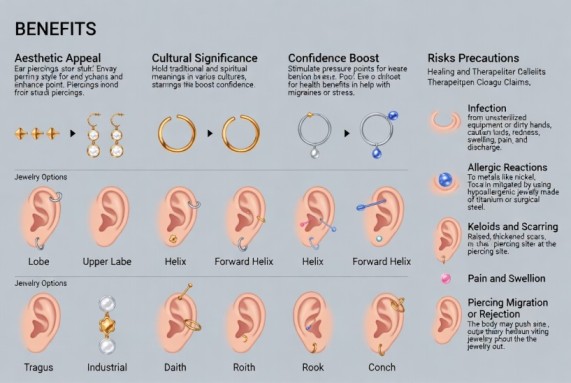
Ear piercing is one of the most popular forms of body modification worldwide. From simple lobe piercings to elaborate cartilage designs, ear piercings allow individuals to express their personality, style, and cultural identity. In this comprehensive guide, we will explore everything about piercing ears, including types, benefits, risks, aftercare, and tips to ensure a safe and stylish experience. What Is Ear Piercing? Ear piercing is a process of creating a small hole in the ear to insert jewelry, such as studs, hoops, or rings. While ear piercing has been practiced for centuries in various cultures, modern piercing techniques prioritize hygiene, precision, and minimal pain. Ear piercing can be purely aesthetic, but it also has cultural, religious, and even therapeutic significance in some traditions. For example, in Ayurveda, certain ear points are believed to promote health and well-being. Types of Ear Piercings There are multiple types of ear piercings, each with unique placement and style. Choosing the right type depends on personal preference, pain tolerance, and lifestyle. 1. Lobe Piercing The most common and widely accepted ear piercing. Lobe piercings are relatively painless and heal faster compared to other types. Jewelry options include studs, hoops, and dangling earrings. 2. Upper Lobe Piercing This is placed slightly above the standard lobe piercing. It allows multiple piercings along the lobe for a layered jewelry effect. 3. Helix Piercing Located on the upper cartilage of the ear, helix piercings are stylish and modern. Healing may take longer than lobe piercings due to the tougher cartilage tissue. 4. Forward Helix Piercing This piercing is placed on the front rim of the ear. It offers a unique look and allows for multiple jewelry pieces along the forward helix. 5. Industrial Piercing An industrial piercing involves two cartilage piercings connected with a single barbell. It’s bold, edgy, and requires careful healing. 6. Tragus Piercing The tragus is the small flap in front of the ear canal. Tragus piercings are trendy and provide a subtle yet stylish look. 7. Daith Piercing Located in the innermost cartilage fold, daith piercings are known for their unique appearance. Some people even claim it may reduce migraines, although scientific evidence is limited. 8. Rook Piercing The rook piercing is on the inner ridge of the ear. It’s a bold choice and can enhance overall ear aesthetics. 9. Conch Piercing Placed in the middle cartilage, conch piercings can be either inner or outer. They allow hoops and studs for a standout appearance. Benefits of Ear Piercing 1. Aesthetic Appeal Ear piercings enhance personal style and allow for creative self-expression. They can complement fashion trends and individual personality. 2. Cultural Significance In many cultures, ear piercings hold traditional and spiritual meanings. For example, in South Asia, ear piercing ceremonies are celebrated as rites of passage for children. 3. Confidence Boost Wearing jewelry in the ear can make people feel more confident and stylish. It can also highlight facial features effectively. 4. Healing and Therapeutic Claims Some believe that specific ear piercings, like the daith or tragus, stimulate pressure points that can help with health issues, including migraines or stress. Risks and Precautions While ear piercing is generally safe when done professionally, there are risks if hygiene and care are ignored. 1. Infection Using unsterilized equipment or touching the piercing with dirty hands can cause bacterial infections. Symptoms include redness, swelling, pain, and discharge. 2. Allergic Reactions Some people may be allergic to metals like nickel. Choosing hypoallergenic jewelry made of titanium or surgical steel reduces this risk. 3. Keloids and Scarring Some individuals are prone to keloid formation—raised, thickened scars at the piercing site. 4. Pain and Swelling Pain is inevitable, especially in cartilage piercings. Swelling is common during the initial healing phase. 5. Piercing Migration or Rejection Sometimes, the body may push the jewelry out, causing migration or rejection of the piercing. Aftercare Tips for Ear Piercing Proper aftercare is crucial for healing and avoiding complications. Clean Regularly: Use saline solution or antiseptic recommended by the piercer. Avoid Touching: Don’t touch or rotate jewelry unnecessarily to prevent bacteria transfer. Choose Proper Jewelry: Use high-quality, hypoallergenic materials. Avoid Swimming: Pools, lakes, and hot tubs can introduce bacteria during the initial healing period. Sleep Carefully: Avoid sleeping on the newly pierced ear to prevent irritation. Watch for Infection: Redness, swelling, or pus may indicate infection. Consult a doctor if symptoms persist.

heart rate
Blog, Fitness, General topics

Heart Rate: What It Is, Normal Ranges, Symptoms, Causes, and Treatment.

Heart Rate-What Is this? Heart rate refers to the number of times the heart beats per minute (BPM). Each heartbeat represents the heart contracting and pumping blood through the arteries. Heart rate changes throughout the day depending on factors such as physical activity, emotions, sleep, stress levels, body position, medications, and overall health. A healthy heart can adjust its rate according to the body’s needs, slowing down during rest and increasing during exercise or stress. Normal Heart Rate Range For most adults, a normal resting heart rate ranges between: 60 to 100 beats per minute However, what is considered normal can vary depending on age, fitness level, and medical conditions. Normal Heart Rate by Age Newborns: 100–160 BPM Children (1–10 years): 70–120 BPM Teenagers: 60–100 BPM Adults: 60–100 BPM Athletes: 40–60 BPM (can be normal due to strong heart muscles) A resting heart rate consistently above or below the normal range may require medical evaluation Types of Abnormal Heart Rate Abnormal heart rate conditions are medically called arrhythmias. The two most common types include: 1. Tachycardia (Fast Heart Rate) Tachycardia occurs when the resting heart rate is above 100 BPM. 2. Bradycardia (Slow Heart Rate) Bradycardia occurs when the resting heart rate is below 60 BPM, especially when accompanied by symptoms. Symptoms of Abnormal Heart Rate Symptoms may vary depending on whether the heart rate is too fast or too slow. Symptoms of Fast Heart Rate Palpitations or pounding heartbeat Shortness of breath Chest discomfort Dizziness or lightheadedness Anxiety or restlessness Fatigue Sweating Fainting in severe cases Symptoms of Slow Heart Rate Extreme fatigue Dizziness Weakness Shortness of breath Confusion Fainting or near-fainting episodes Poor exercise tolerance Some people may have abnormal heart rates without noticeable symptoms, which makes regular checkups important Heart Rate and Thyroid Connection The thyroid gland plays a critical role in regulating heart rate. Hyperthyroidism can cause a persistently fast heart rate and palpitations. Hypothyroidism may lead to a slow heart rate and reduced cardiac output. Because of this strong link, doctors often recommend thyroid testing when unexplained heart rate abnormalities occur How to Measure Heart Rate Heart rate can be measured easily at home or in a medical setting. Manual Method Place two fingers on your wrist or neck Count the beats for 60 seconds Record the number Digital Methods Smartwatches and fitness trackers Blood pressure monitors Pulse oximeters For accurate assessment, measure your heart rate while resting and relaxed. Heart Rate Tests and Diagnosis If abnormal heart rate is suspected, doctors may recommend: Electrocardiogram (ECG or EKG) Holter monitor (24–48 hours) Event monitor Echocardiogram Blood tests (thyroid levels, electrolytes, anemia) Stress test These tests help identify rhythm problems and underlying causes. Treatment Options for Abnormal Heart Rate Treatment depends on the cause, severity, and type of heart rate disorder. Medical Treatment Beta-blockers Anti-arrhythmic medications Thyroid medications Blood pressure control drugs Advanced Treatments Pacemaker (for severe bradycardia) Catheter ablation Cardioversion Implantable cardioverter-defibrillator (ICD) Treatment is always individualized and should be guided by a cardiologist Lifestyle Changes for Healthy Heart Rate Healthy habits play a major role in maintaining a normal heart rate. Recommended Lifestyle Practices Regular physical activity Stress management (meditation, breathing exercises) Adequate sleep Maintaining healthy body weight Staying hydrated Limiting caffeine and alcohol Quitting smoking Heart-Healthy Diet Fruits and vegetables Whole grains Lean proteins Fish rich in omega-3 fatty acids Low salt and low sugar intake When to See a Doctor You should consult a doctor immediately if you experience: Persistent rapid or slow heartbeat Chest pain Fainting or dizziness Shortness of breath Heart palpitations with anxiety or weakness Family history of heart disease Early diagnosis can prevent life-threatening complications such as stroke or heart failure.

MRI
Blog, General topics

MRI Scan: Complete Guide, Uses, Procedure, Risks & Cost Explained

An MRI scan (Magnetic Resonance Imaging) is one of the most advanced and accurate medical imaging techniques used today. Doctors rely on MRI scans to diagnose diseases of the brain, spine, joints, heart, and internal organs without using harmful radiation. Unlike X-rays or CT scans, MRI uses strong magnetic fields and radio waves to create detailed images of soft tissues. This makes it extremely useful for detecting conditions that cannot be seen clearly on other imaging tests. In this complete guide, you will learn what an MRI scan is, how it works, why it is done, its procedure, benefits, risks, cost, and preparation tip What Is an MRI Scan? An MRI scan is a non-invasive diagnostic test that produces high-resolution images of organs, tissues, and bones inside the body. MRI stands for Magnetic Resonance Imaging. It does not use X-rays. Instead, it uses: Powerful magnets Radiofrequency waves Computer processing These elements work together to create clear, detailed images. How Does an MRI Scan Work? The human body contains a large amount of water. When you enter the MRI machine: Strong magnets align hydrogen atoms in your body Radio waves disturb this alignment When atoms return to their normal position, they emit signals These signals are converted into images by a computer This technology allows doctors to see even tiny abnormalities. Why Is an MRI Scan Done? (Uses of MRI Scan) 1. Brain & Nervous System Brain tumors Stroke Multiple sclerosis Seizures Head injury Migraines 2. Spine & Back Problems Slip disc Spinal cord injury Nerve compression Back pain Sciatica 3. Joints & Muscles Knee injuries Ligament tears Sports injuries Arthritis Muscle damage 4. Heart & Blood Vessels Heart structure Blood flow problems Congenital heart disease 5. Abdomen & Pelvis Liver disease Kidney problems Uterine fibroids Ovarian cysts Prostate issues 6. Cancer Detection Tumor detection Cancer staging Monitoring treatment response Types of MRI Scans 1. Standard MRI Used for general imaging of organs and tissues. 2. MRI with Contrast A special dye (gadolinium) is injected to enhance image clarity. 3. Functional MRI (fMRI) Measures brain activity by detecting blood flow changes. 4. Cardiac MRI Used specifically for heart evaluation. 5. Open MRI Designed for claustrophobic or obese patients. MRI Scan Procedure (Step-by-Step) Before the Scan Remove metal objects (jewelry, watch, phone) Inform doctor about implants or pacemakers Change into hospital gown Fasting may be required for contrast MRI During the Scan You lie on a movable table Table slides into the MRI machine Loud knocking sounds occur (earplugs provided) You must stay still Scan lasts 20–60 minutes After the Scan You can resume normal activities If contrast was used, drink plenty of water Results are reviewed by a radiologist Is MRI Scan Painful? No. An MRI scan is completely painless.However, some people may feel: Discomfort from lying still Anxiety due to enclosed space Mild warmth in the scanned area MRI Scan Side Effects & Risks MRI scans are considered extremely safe. Possible Risks Claustrophobia Allergic reaction to contrast (rare) Issues with metal implants ⚠️ MRI is NOT recommended for patients with: Pacemakers Cochlear implants Metal fragments in the body Always inform your doctor beforehand. MRI Scan vs CT Scan Feature MRI Scan CT Scan Radiation ❌ No ✅ Yes Soft tissue detail Excellent Moderate Scan time Longer Shorter Bone imaging Less ideal Better Safety Very high Moderate MRI Scan Cost in Pakistan The cost of an MRI scan in Pakistan depends on the body part and facility. Average MRI Scan Prices Brain MRI: PKR 12,000 – 18,000 Spine MRI: PKR 15,000 – 25,000 Knee MRI: PKR 10,000 – 18,000 MRI with contrast: PKR 20,000 – 35,000 Prices may vary by city and hospital. How to Prepare for an MRI Scan Wear loose, metal-free clothing Inform about pregnancy Mention kidney problems (for contrast MRI) Take anxiety medication if prescribed Arrive 30 minutes early MRI Scan During Pregnancy MRI is generally safe during pregnancy, especially after the first trimester. However: Contrast MRI is usually avoided Only done if medically necessary Always consult your doctor. MRI Scan Results MRI results are interpreted by a radiologist and shared with your doctor. Result Timeline Same day to 48 hours Urgent cases: within hours Benefits of MRI Scan No radiation exposure Highly detailed images Early disease detection Accurate diagnosis Safe for repeated use FAQs – MRI Scan 1. How long does an MRI scan take? Usually 20 to 60 minutes, depending on the body part. 2. Can MRI detect cancer? Yes, MRI is highly effective in detecting and staging cancer. 3. Is MRI scan safe? Yes, MRI is one of the safest imaging tests available. 4. Can I eat before MRI scan? Yes, unless fasting is required for contrast MRI. 5. Is MRI better than CT scan? For soft tissues, brain, and nerves—yes. MRI Scan in Karachi & Pakistan MRI scans are widely available in: Government hospitals Private diagnostic centers Tertiary care hospitals Booking through online health platforms helps reduce waiting time. Final Thoughts An MRI scan is a powerful diagnostic tool that helps doctors detect diseases accurately without radiation. Whether it’s brain disorders, spine issues, joint injuries, or cancer detection, MRI plays a vital role in modern healthcare. If your doctor recommends an MRI scan, there’s no need to worry—it is safe, painless, and highly informative. 🧠 Early diagnosis saves lives—don’t delay your MRI scan.

hibiscus
Blog, Fitness, General topics, Nutritionist

Hibiscus Complete Guide: Benefits, Uses & How to Use It

What Is Hibiscus? Hibiscus refers to a group of flowering plants from the Hibiscus family. The most commonly used species for health and beauty is Hibiscus sabdariffa — popularly known as roselle or red sorrel. Its deep red petals contain antioxidants, vitamin C, flavonoids, and organic acids that give hibiscus its unique taste and health benefits.People around the world enjoy hibiscus in different forms: as tea, herbal infusions, jams, syrups, skincare extracts, and topical remedies 🧠 Nutritional and Phytochemical Profile Hibiscus petals and leaves contain: Vitamin C — essential for collagen and immunity.  Anthocyanins — powerful antioxidants responsible for the red color and anti‑aging properties.  Flavonoids (quercetin, kaempferol) — reduce inflammation and protect cells.  Organic acids (citric, malic) — help digestion and natural exfoliation.  Amino acids — support hair growth and structure.  🫖Hibiscus Tea: Health Benefits & How to Prepare One of the most popular ways to consume hibiscus is by brewing it into tea — enjoyed hot or cold. Health Benefits of Hibiscus Tea Boosts immunity due to vitamin C and antioxidants.  Helps digestion & reduces bloating. Its natural fruit acids have a gentle digestive effect.  May help lower blood pressure and cholesterol. Hibiscus tea is studied for cardiovascular benefits like reducing high blood pressure and improving cholesterol levels.  Natural hydration & detoxification. The tea supports hydration and helps flush out toxins.  How to Make Hibiscus Tea Hot Tea Boil water. Add 1–2 tsp dried hibiscus petals. Steep 5–10 minutes. Strain and enjoy with honey or lemon.  Cold Hibiscus Infusion (Sun Tea) Add hibiscus to cold water in a jar. Let sit in sunlight 2–6 hours. Strain and serve chilled.  💁‍♀️ Hibiscus for Hair: Grow Stronger & Shinier Hair Hibiscus isn’t just beautiful — it’s a natural hair‑care powerhouse too. The nutrients in hibiscus, including vitamins and amino acids, nourish the scalp and support healthier hair growth. Regular use can help strengthen hair strands, reduce breakage, and improve overall hair texture. Hibiscus can also enhance shine and softness, acting as a natural conditioner. It can help soothe a dry scalp and may contribute to preventing dandruff and dryness. Some people also use hibiscus to help delay premature greying of hair due to its antioxidant properties. There are many ways to use hibiscus in your hair care routine. A hibiscus hair mask can be made by blending fresh hibiscus petals and mixing them with coconut oil or yogurt. This mixture is applied to the scalp and hair for about 30 minutes before rinsing. A hibiscus water rinse involves boiling the petals in water, cooling the infusion, and using it as a final rinse to add shine and smoothness to the hair.   💆‍♀️ Hibiscus for Skin: Benefits & Uses Hibiscus is often called “nature’s botox” because its natural compounds help support healthier, more youthful‑looking skin. Its high antioxidant content helps protect skin from environmental stress and supports elasticity, which may reduce the appearance of fine lines and wrinkles. Hibiscus contains natural acids called alpha‑hydroxy acids (AHAs) that gently exfoliate the skin by removing dead skin cells and promoting cell renewal. This natural exfoliation can help reveal smoother, brighter skin over time. The flower also helps hydrate and moisturize the skin, keeping it soft and supple. Because of its skin‑friendly properties, hibiscus can help even out skin tone and reduce pigmentation or redness. Its anti‑inflammatory and antimicrobial qualities may also aid in controlling acne and calming irritated skin. Many people enjoy using hibiscus in DIY skincare treatments at home. A hibiscus face toner can be made by brewing strong hibiscus tea, letting it cool, and then using it as a refreshing mist. A hibiscus exfoliating mask is created by combining dried hibiscus powder with a natural base like yogurt and applying it to the face for 10–15 minutes before rinsing with lukewarm water. 🍽️ Culinary Uses of Hibiscus  Hibiscus isn’t just for beauty — it’s also popular in food and beverages. Its tart, refreshing flavor makes it an excellent base for teas and cold drinks. Hibiscus petals are also used to make jams and jellies, thanks to their natural pectin, and they can be incorporated into desserts and sauces to add color and tang.   ⚕️ Hibiscus and Women’s Health Hibiscus may offer benefits beyond beauty and culinary uses. It is rich in vitamin C, which can help support iron absorption — particularly useful for women who are prone to anemia. The organic acids in hibiscus can support digestion and help maintain overall wellness. In some traditional practices, hibiscus has been used to support hormonal balance and general female health. ⚖️ Safety, Side Effects & Interactions Hibiscus is generally safe for most people when used in moderation. However, some individuals may experience mild side effects such as stomach upset or bloating when consumed. When applied topically, it’s a good idea to perform a patch test first to check for any allergic reaction or irritation. Hibiscus may also interact with certain medications, especially those for blood pressure or blood sugar, so consulting a healthcare professional is recommended if you are on medication.   🌱 Growing & Storing Hibiscus Hibiscus plants thrive in warm, sunny environments with good soil drainage. They can be grown in pots or garden beds and pruned regularly to encourage more blooms. To store hibiscus for long‑term use, dry the petals thoroughly and keep them in a cool, airtight container away from direct sunlight. Properly dried hibiscus can last for months while retaining its color and benefits. 🧠 Quick Tips & Best Practices For best results, drink hibiscus tea 1–2 cups daily and use fresh ingredients in homemade skincare treatments to maximize their potency. Always patch‑test topical preparations before widespread use to avoid irritation, especially if you have sensitive skin. 🏁 Conclusion Hibiscus is a versatile, natural botanical with benefits that extend beyond beauty. From promoting healthier skin and stronger hair to providing refreshing drinks and culinary delights, this flower offers timeless value supported by both traditional use and modern interest. Whether you enjoy it as tea, a

Blog, General topics, Life Changing, Nutritionist

Clove Benefits — The Ultimate Health, Nutrition & Wellness Guide.

“Before starting Clove (or any herbal supplement), please consult a qualified doctor to ensure it is safe for your health conditions and won’t interfere with any medications.” Book Appointment with doctor to know more Clove – Introduction Cloves are aromatic flower buds from the Syzygium aromaticum tree that have been treasured in kitchens and traditional medicine for centuries. This spice is used globally not only for flavoring curries, teas, and desserts but also for its potent health-promoting properties. In this comprehensive guide, we’ll explore everything you need to know about clove benefits — from nutrition and scientific uses to traditional remedies, cooking tips, and safety precautions. 1. What Are Cloves? Cloves are dried flower buds that come from a tropical evergreen tree native to Indonesia and now cultivated in many parts of the world. The spice has a warm, sweet-spicy flavor and contains several powerful compounds, the most notable of which is eugenol — a compound responsible for many of its health effects. 2. Nutrition Profile of Cloves Although you typically consume cloves in small amounts, they contain nutrients and phytonutrients that contribute to their health benefits. One teaspoon of ground cloves contains small amounts of vitamins and minerals including: Manganese: essential for bone health and enzyme function. Vitamin K: supports metabolic processes. Potassium and beta-carotene: antioxidants that protect cells. Fiber: helps with digestion.  Because cloves are rich in eugenol, flavonoids, and phenolic acids, their antioxidant capacity ranks among the highest of spices. 3. Top Clove Benefits for Health Here are the most important clove benefits that have scientific support or long-standing traditional use: 3.1 Powerful Antioxidant Action Cloves contain high levels of antioxidants that help neutralize damaging free radicals. This oxidative stress is linked to aging and chronic diseases such as heart disease and cancer.  How it helps:✔ Protects cells from damage✔ Reduces oxidative stress✔ Supports overall longevity and wellness 3.2 Reduces Inflammation One of the hallmark clove benefits is the spice’s anti-inflammatory properties. Eugenol and other compounds may help reduce inflammatory markers in the body. Potential outcomes:✔ Reduced joint pain✔ Eased arthritis symptoms✔ Lower risk of long-term inflammation 3.3 Supports Digestive Health Cloves have been traditionally used to improve digestion. They can stimulate digestive enzymes and help relieve common gut issues like gas, bloating, nausea, and indigestion. Ways cloves help digestion:✔ Encourages enzyme secretion✔ Helps reduce gastric irritation✔ Relaxes intestinal muscles for comfort 3.4 May Help Regulate Blood Sugar Some research indicates that clove compounds may assist in regulating blood glucose and improving insulin sensitivity, making them potentially useful for blood sugar control.  While whole cloves are not a replacement for medical treatment, their incorporation into a balanced diet may support blood sugar management as part of a healthy lifestyle.  3.5 Promotes Liver Health Cloves contain compounds that may support liver function by reducing oxidative stress and aiding detoxification pathways.  Health benefits for the liver:✔ Protects liver cells from damage✔ Supports detox processes in the body 3.6 Antimicrobial & Infection-Fighting Effects Cloves have antimicrobial properties, meaning they may help control the growth of harmful bacteria, fungi, and microbes.  This makes them helpful for oral health, food preservation, and immune support. 3.7 Supports Oral & Dental Health Cloves are traditionally used in oral care due to their antiseptic qualities. Chewing cloves or using clove oil can help with bad breath, gum inflammation, and toothache relief.  Why this matters: The numbing effect of eugenol helps reduce dental pain.  3.8 May Aid Metabolic & Heart Health Emerging research suggests cloves may help support cardiovascular health by improving blood cholesterol levels and promoting healthy blood circulation — likely due to their antioxidant and anti-inflammatory effects.  Potential heart benefits:✔ Support for healthy LDL and HDL cholesterol levels✔ Reduced inflammation✔ Improved circulation 3.9 Immune System Support Because cloves have antimicrobial and antiviral compounds, they may help strengthen the body’s defenses against infections and seasonal illnesses when consumed regularly.  3.10 May Support Respiratory Health Clove tea or steam inhalation with cloves may help relieve symptoms of cough, congestion, and sore throat due to anti-inflammatory and soothing qualities.    4. Lesser-Known Clove Benefits While more research is needed for some of the following effects in humans, cloves are also associated with: 4.1 Potential Anticancer Properties Test-tube research suggests compounds in cloves may help inhibit the growth of certain cancer cells. However, human studies are limited and cloves should not be viewed as a treatment on their own. 4.2 Bone Health Support Because cloves contain manganese — a mineral important for bone formation — they may contribute to bone health when eaten as part of a nutrient-rich diet.  4.3 Urinary Tract Health Cloves’ antibacterial and mild diuretic properties may help support urinary health by inhibiting pathogens — though cloves should not replace medical care for infections.  4.4 Skin & Anti-Aging Effects The antioxidant properties of cloves may help protect skin cells from oxidative damage, supporting skin health and potentially reducing signs of aging when part of a balanced antioxidant-rich diet.  4.5 Hair & Scalp Support Though direct clinical evidence is limited, antioxidants and anti-inflammatory compounds in cloves may help maintain scalp health, reduce dandruff, and support overall hair condition when included in a nutritious diet.    5. How to Use Cloves for Maximum Benefits Here’s how you can incorporate cloves into your daily routine in simple, practical ways: 5.1 Clove Tea How to make:Crush 2–3 whole cloves, boil in water for 5–10 minutes, strain, and drink warm.This traditional remedy may support digestion, relieve bloating, and ease respiratory discomfort. 5.2 Cooking with Cloves Add whole or ground cloves to curries, stews, rice, baked goods, teas, and sauces for flavor and wellness support. 5.3 Clove-Infused Water Soak cloves in water overnight and drink the infused water in the morning to help kickstart digestion and metabolism. 5.4 Clove Oil Uses Clove essential oil can be used topically (diluted with a carrier oil) for localized pain relief — such as sore muscles or dental discomfort — but should be used cautiously due to high eugenol concentration.    6. Clove Benefits

Ashwagandha
General topics, Nutritionist

Ashwagandha: Benefits, Uses, Side Effects, Dosage & Complete Guide

Ashwagandha (Withania somnifera) is an ancient Ayurvedic adaptogen. Adaptogens are herbs that help your body manage stress. In Ayurveda, Ashwagandha has been used for more than 3,000 years for: Stress relief Improving strength and stamina Boosting immunity Balancing hormones Enhancing brain function It is also known as: Indian Ginseng Winter Cherry Asgandh (in Pakistan & India) Its roots and leaves are used to make capsules, powders, gummies, teas, and liquid extracts. Benefits of Ashwagandha (Scientifically Supported) 1. Reduces Stress & Anxiety Naturally Ashwagandha is globally recognized as one of the best natural remedies for stress and anxiety. It works by reducing cortisol, the body’s primary stress hormone. ✔ What Research Says Studies have shown that Ashwagandha can lower stress levels by 30–45% within just 8 weeks. ✔ It Helps With: Anxiety Insomnia caused by stress Emotional restlessness Mild panic symptoms Overthinking and low mood Because of these effects, Ashwagandha is often called a “natural stress shield.” 2. Improves Sleep Quality (Deep Restorative Sleep) Poor sleep is one of the biggest modern health problems. Ashwagandha supports deeper, calmer sleep by relaxing the nervous system. ✔ Helps People Who Face: Difficulty falling asleep Repeated waking at night Light or disturbed sleep Waking up tired Most users notice improvement within 2–4 weeks of regular use. Ashwagandha supports production of GABA, a calming neurotransmitter responsible for peaceful sleep. 3. Boosts Strength, Stamina & Muscle Growth One of the reasons Ashwagandha is extremely popular among athletes, gym enthusiasts, and bodybuilders is its powerful effect on physical performance. ✔ What It Helps Improve: Muscle recovery Strength levels Stamina during workouts Endurance Post-workout fatigu ✔ Research Highlight A clinical study showed up to 20% improvement in strength when Ashwagandha was used daily for 8 weeks. This makes it one of the best natural performance enhancers. 4. Enhances Memory, Focus & Brain Function Ashwagandha is known as a brain-boosting adaptogen. It improves communication between nerve cells and supports long-term cognitive health. ✔ Benefits for the Mind Better concentration Sharper memory Enhanced focus Reduced brain fog Calmer thinking Improved learning ability It nourishes the brain, protects nerve cells, and supports emotional stability. 5. Supports Complete Hormonal Balance Ashwagandha is one of the few natural herbs that helps balance hormones for both men and women. ✔ How It Helps Hormones Reduces cortisol Supports thyroid hormones Strengthens adrenal glands Regulates testosterone Balances estrogen This is why Ashwagandha is used in natural treatments for stress, PCOS, male infertility, thyroid imbalance, and mood disorders. Ashwagandha Benefits for Men Men can especially benefit from Ashwagandha because of its impact on strength, testosterone, fertility, and sexual wellness. 1. Increases Testosterone Levels Scientific research shows that Ashwagandha may raise testosterone levels by 15–20% naturally.Higher testosterone leads to: Better muscle growth Improved mood Enhanced vitality Increased libido 2. Improves Fertility in Men Ashwagandha is traditionally used to support male reproductive health. ✔ It Helps Improve: Sperm count Sperm motility Semen quality Hormonal balance Perfect for men facing stress-related fertility problems. 3. Boosts Muscle Strength Because it improves strength and recovery, Ashwagandha is widely used by: Bodybuilders Strength athletes Fitness trainers Beginners who want rapid progress 4. Enhances Sexual Health Ashwagandha can help with: Low libido Premature ejaculation Erectile weakness due to stress Performance anxiety It increases blood flow and calms the nervous system, improving overall performance. Ashwagandha Benefits for Women Women also experience major benefits due to Ashwagandha’s ability to support hormones, mood, and reproductive health. 1. Balances Female Hormones Ashwagandha can help women experiencing: Irregular periods PMS mood swings Hormonal acne Low energy Stress-related hormonal imbalance A balanced hormonal system leads to improved physical and emotional health. 2. Helpful for PCOS Symptoms While Ashwagandha is not a cure for PCOS, it supports the underlying issues: High stress Weight gain High insulin levels Hormone imbalance It helps improve mood and energy, making PCOS symptoms easier to manage. 3. Improves Sleep & Mood Women facing fatigue, chronic stress, or anxiety often notice: Better sleep quality More energy Emotional stability Calmness 4. Boosts Female Sexual Wellness Stress is the biggest cause of low libido in women.Ashwagandha reduces cortisol and improves blood flow, which helps enhance: Desire Satisfaction Overall sexual wellness How Ashwagandha Works in the Body Ashwagandha is an adaptogen, meaning it helps your body adapt to stress and restores balance naturally. ✔ Regulates Cortisol Lower cortisol = less stress, more calmness, better sleep. ✔ Supports Thyroid Function Helpful for people with low thyroid hormones (hypothyroidism). ✔ Improves Nervous System Function Better sleep Improved focus Reduced anxiety ✔ Increases Blood Flow Supports physical energy and sexual health. ✔ Enhances Mitochondrial Function Mitochondria are the energy powerhouses of your cells → more stamina & strength. Different Forms of Ashwagandha Choose the form that fits your lifestyle: ✔ Capsules / Tablets Most convenient and commonly used. ✔ Powder (Churna) Traditional herbal form, best taken with warm milk or water. ✔ Gummies Easy and tasty option for beginners. ✔ Tea Helps with relaxation and sleep. ✔ Liquid Extract Fast absorption, great for quick effect. Recommended Ashwagandha Dosage Here are science-backed general guidelines: 1. Capsules / Tablets ✔ 300–600 mg per day✔ Take at night for sleep✔ Take twice daily for stress/anxiety 2. Powder (Churna) ✔ ½ to 1 teaspoon✔ Take with warm water or milk at night 3. Gummies ✔ Follow brand instructions✔ Usually 1–2 gummies daily 4. Liquid Extract ✔ 10–20 drops depending on strength When Should You Take Ashwagandha? Choose based on your goal: ✔ For Stress & Anxiety → Morning + evening ✔ For Better Sleep → Night only ✔ For Gym Performance & Strength → Morning before workout ✔ For Women’s Hormonal Balance → Anytime with food How Long Does Ashwagandha Take to Work? You may notice: 1 week: Improved sleep 2–3 weeks: Less stress & anxiety 4–6 weeks: Better strength, mood & hormones 8 weeks: Full benefits Consistency is the key. Side Effects of Ashwagandha (Rare but Possible) Most people tolerate Ashwagandha very well. However, high doses may cause: Upset stomach Nausea Drowsiness Mild headache  Who

Scroll to Top