fallego

Dermatology

face wash
Blog, Dermatology, Fitness, General topics, Life Changing

Face Wash: Benefits, Types, How to Choose the Right One & Proper Usage Guide.

A face wash is one of the most essential skincare products used in daily routines across the world. Whether you have oily, dry, sensitive, or acne-prone skin, choosing the right face wash plays a vital role in maintaining healthy, clear, and glowing skin. In this detailed guide, we will explore what face wash is, its benefits, different types, how to select the right one, correct usage methods, and common mistakes to avoid. What Is a Face Wash? A face wash is a skincare cleanser specially formulated to remove dirt, oil, sweat, dead skin cells, makeup residue, and environmental pollutants from the skin’s surface. Unlike regular soap, face washes are designed to maintain the skin’s natural moisture balance and pH level. Regular cleansing with a suitable face wash helps keep pores clean, prevents acne, and prepares the skin for other skincare products such as serums and moisturizers. Why Is Face Wash Important for Skin? Our skin is exposed daily to dust, pollution, bacteria, and excess oil. Without proper cleansing, these impurities can clog pores, leading to acne, dullness, and premature aging. Key Reasons to Use Face Wash Daily: Removes excess oil and dirt Prevents acne and breakouts Maintains skin hydration Improves skin texture and tone Enhances absorption of skincare products Using a face wash twice a day—morning and night—is recommended by dermatologists for optimal skin health. Benefits of Using Face Wash 1. Deep Cleansing Face wash penetrates deeper into pores to remove impurities that water alone cannot eliminate. 2. Controls Excess Oil Oil-control face washes help reduce shine and prevent clogged pores, especially for oily and acne-prone skin. 3. Prevents Acne and Pimples Regular cleansing removes bacteria and excess sebum, reducing the risk of pimples, blackheads, and whiteheads. 4. Hydrates the Skin Gentle face washes preserve the skin’s natural moisture barrier, preventing dryness and irritation. 5. Improves Skin Glow By removing dead skin cells and impurities, face wash helps reveal fresher, brighter skin. 6. Delays Signs of Aging Antioxidant-rich face washes help protect skin from pollution damage and premature wrinkles. Types of Face Wash According to Skin Type Choosing the correct face wash depends largely on your skin type. 1. Face Wash for Oily Skin These face washes contain oil-controlling ingredients like salicylic acid, tea tree oil, or charcoal. They help reduce excess sebum and prevent acne. Best for: Shiny skin, enlarged pores, frequent breakouts 2. Face Wash for Dry Skin Dry skin face washes are cream-based or hydrating formulas enriched with glycerin, hyaluronic acid, or aloe vera. Best for: Flaky, rough, or tight skin 3. Face Wash for Combination Skin These cleansers balance oil in the T-zone while maintaining hydration on dry areas. Best for: Oily forehead and nose with dry cheeks 4. Face Wash for Sensitive Skin Formulated without harsh chemicals, fragrance, or alcohol. These are soothing and non-irritating. Best for: Redness, itching, or easily irritated skin 5. Face Wash for Acne-Prone Skin Contains antibacterial and exfoliating agents such as benzoyl peroxide or salicylic acid to treat acne. Best for: Pimples, blackheads, and whiteheads Common Ingredients Found in Face Wash Understanding ingredients helps you choose a safe and effective product. Salicylic Acid: Unclogs pores and treats acne Tea Tree Oil: Antibacterial and anti-inflammatory Hyaluronic Acid: Provides deep hydration Aloe Vera: Soothes and calms irritated skin Vitamin C: Brightens skin tone Charcoal: Absorbs oil and impurities Always check ingredient labels, especially if you have sensitive skin. How to Use Face Wash Properly Using a face wash correctly is just as important as choosing the right one. Wet your face with lukewarm water Take a small amount of face wash Gently massage in circular motions for 30–60 seconds Avoid harsh scrubbing Rinse thoroughly with water Pat dry with a clean towel Apply moisturizer after cleansing Frequency: Twice daily (morning and night) Common Face Wash Mistakes to Avoid Using body soap on the face Over-washing the face Scrubbing too hard Using hot water Ignoring moisturizer after cleansing These mistakes can damage the skin barrier and cause dryness or breakouts. Natural vs Medicated Face Wash Natural Face Wash Made with herbal extracts and plant-based ingredients. Suitable for daily use and sensitive skin. Medicated Face Wash Contains active ingredients for acne, pigmentation, or infections. Best used under medical advice.

Ear Piercing
Blog, Dermatology, General topics, Life Changing

Piercing Ear: Complete Guide to Types, Benefits, Risks, and Aftercare

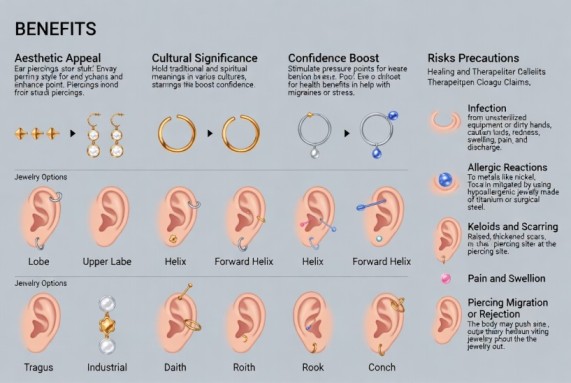
Ear piercing is one of the most popular forms of body modification worldwide. From simple lobe piercings to elaborate cartilage designs, ear piercings allow individuals to express their personality, style, and cultural identity. In this comprehensive guide, we will explore everything about piercing ears, including types, benefits, risks, aftercare, and tips to ensure a safe and stylish experience. What Is Ear Piercing? Ear piercing is a process of creating a small hole in the ear to insert jewelry, such as studs, hoops, or rings. While ear piercing has been practiced for centuries in various cultures, modern piercing techniques prioritize hygiene, precision, and minimal pain. Ear piercing can be purely aesthetic, but it also has cultural, religious, and even therapeutic significance in some traditions. For example, in Ayurveda, certain ear points are believed to promote health and well-being. Types of Ear Piercings There are multiple types of ear piercings, each with unique placement and style. Choosing the right type depends on personal preference, pain tolerance, and lifestyle. 1. Lobe Piercing The most common and widely accepted ear piercing. Lobe piercings are relatively painless and heal faster compared to other types. Jewelry options include studs, hoops, and dangling earrings. 2. Upper Lobe Piercing This is placed slightly above the standard lobe piercing. It allows multiple piercings along the lobe for a layered jewelry effect. 3. Helix Piercing Located on the upper cartilage of the ear, helix piercings are stylish and modern. Healing may take longer than lobe piercings due to the tougher cartilage tissue. 4. Forward Helix Piercing This piercing is placed on the front rim of the ear. It offers a unique look and allows for multiple jewelry pieces along the forward helix. 5. Industrial Piercing An industrial piercing involves two cartilage piercings connected with a single barbell. It’s bold, edgy, and requires careful healing. 6. Tragus Piercing The tragus is the small flap in front of the ear canal. Tragus piercings are trendy and provide a subtle yet stylish look. 7. Daith Piercing Located in the innermost cartilage fold, daith piercings are known for their unique appearance. Some people even claim it may reduce migraines, although scientific evidence is limited. 8. Rook Piercing The rook piercing is on the inner ridge of the ear. It’s a bold choice and can enhance overall ear aesthetics. 9. Conch Piercing Placed in the middle cartilage, conch piercings can be either inner or outer. They allow hoops and studs for a standout appearance. Benefits of Ear Piercing 1. Aesthetic Appeal Ear piercings enhance personal style and allow for creative self-expression. They can complement fashion trends and individual personality. 2. Cultural Significance In many cultures, ear piercings hold traditional and spiritual meanings. For example, in South Asia, ear piercing ceremonies are celebrated as rites of passage for children. 3. Confidence Boost Wearing jewelry in the ear can make people feel more confident and stylish. It can also highlight facial features effectively. 4. Healing and Therapeutic Claims Some believe that specific ear piercings, like the daith or tragus, stimulate pressure points that can help with health issues, including migraines or stress. Risks and Precautions While ear piercing is generally safe when done professionally, there are risks if hygiene and care are ignored. 1. Infection Using unsterilized equipment or touching the piercing with dirty hands can cause bacterial infections. Symptoms include redness, swelling, pain, and discharge. 2. Allergic Reactions Some people may be allergic to metals like nickel. Choosing hypoallergenic jewelry made of titanium or surgical steel reduces this risk. 3. Keloids and Scarring Some individuals are prone to keloid formation—raised, thickened scars at the piercing site. 4. Pain and Swelling Pain is inevitable, especially in cartilage piercings. Swelling is common during the initial healing phase. 5. Piercing Migration or Rejection Sometimes, the body may push the jewelry out, causing migration or rejection of the piercing. Aftercare Tips for Ear Piercing Proper aftercare is crucial for healing and avoiding complications. Clean Regularly: Use saline solution or antiseptic recommended by the piercer. Avoid Touching: Don’t touch or rotate jewelry unnecessarily to prevent bacteria transfer. Choose Proper Jewelry: Use high-quality, hypoallergenic materials. Avoid Swimming: Pools, lakes, and hot tubs can introduce bacteria during the initial healing period. Sleep Carefully: Avoid sleeping on the newly pierced ear to prevent irritation. Watch for Infection: Redness, swelling, or pus may indicate infection. Consult a doctor if symptoms persist.

thyroid
Blog, Dermatology, Infertility, Life Changing

Thyroid Symptoms: 15 Warning Signs, Causes, Tests & Treatment Explained

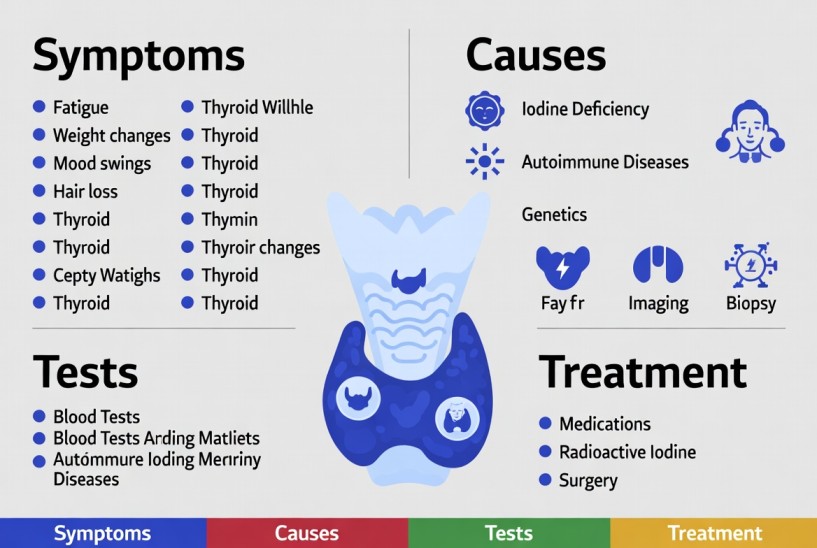
Thyroid Disease: What Is the Thyroid Gland? (Introduction) The thyroid is a small, butterfly-shaped gland located at the front of the neck. It produces hormones that regulate metabolism, energy levels, heart rate, body temperature, mood, and weight. When the thyroid gland produces too little or too much hormone, it leads to a medical condition known as thyroid disease, which causes multiple physical and mental symptoms. ⚠️ Types of Thyroid Disorders There are two main types of thyroid problems: 1️⃣ Hypothyroidism When the thyroid gland produces too little hormone. 2️⃣ Hyperthyroidism When the thyroid gland produces too much hormone. Each condition has different symptoms and health effects. 🔵 Hypothyroidism Symptoms (Low Thyroid Hormone) Common symptoms of hypothyroidism include: Constant fatigue and weakness Weight gain without increased food intake Feeling cold more often Hair thinning or hair loss Dry and rough skin Depression or low mood Memory problems Slow heart rate Irregular menstrual cycles Constipation Swelling of face or neck Excessive sleepiness Muscle pain or stiffness Hoarse voice Low libido 🔴 Hyperthyroidism Symptoms (Overactive Thyroid) Symptoms of hyperthyroidism may include: Sudden weight loss Rapid or irregular heartbeat Excessive sweating Heat intolerance Anxiety or nervousness Tremors in hands Difficulty sleeping Increased appetite Frequent bowel movements or diarrhea Menstrual disturbances Hair thinning Muscle weakness Mood swings Bulging eyes (Graves’ disease) Restlessness and fatigue 👩‍⚕️ Who Is at Higher Risk of Thyroid Disease? Thyroid disorders are more common in: Women People over 30 years of age Those with a family history of thyroid disease Post-pregnancy women Individuals with high stress levels People with iodine imbalance 🧪 Thyroid Tests and Diagnosis Doctors usually recommend the following tests: TSH (Thyroid Stimulating Hormone) Test T3 Test T4 Test Thyroid Ultrasound Thyroid Antibody Test (for autoimmune thyroid disease) A simple blood test can accurately diagnose thyroid problems. 💊 Thyroid Treatment Options Treatment depends on the type of thyroid disorder: Hypothyroidism Treatment: Daily thyroid hormone replacement (Levothyroxine) Regular blood monitoring Lifestyle and dietary improvements Hyperthyroidism Treatment: Anti-thyroid medications Radioactive iodine therapy Surgery in severe cases ⚠️ Never take thyroid medication without medical supervision. 🥗 Diet and Lifestyle for Thyroid Health Recommended Foods: Iodized salt Eggs Fish and seafood Fruits and vegetables Adequate water intake Foods to Limit: Junk and processed foods Smoking Excess soy products High caffeine intake ❓ Frequently Asked Questions (FAQs) Q1: Can thyroid disease be cured? Thyroid disorders are usually manageable, and symptoms can be controlled with proper treatment. Q2: Does thyroid affect fertility? Yes, untreated thyroid problems can cause fertility issues in both men and women. Q3: Is thyroid a lifelong condition? In many cases, thyroid disorders require long-term or lifelong management. Q4: Can thyroid cause weight changes? Yes, thyroid hormones directly affect metabolism and body weight. 📞 When Should You See a Doctor? Consult a doctor if you experience: Persistent fatigue Sudden weight changes Irregular heartbeat Menstrual irregularities Anxiety or depression without clear cause Early diagnosis helps prevent serious complications. 🔔 Call to Action (CTA) 👉 Get your thyroid levels tested today👉 Book an online doctor consultation-03339025207👉 Early treatment can protect your long-term health

Dermatologist
Dermatology

How to Choose the Best Dermatologist in Karachi for Your Skin and Health Needs

Your skin is not just a reflection of your outer appearance but also a vital indicator of your overall well-being. Whether you’re dealing with a stubborn skin condition or seeking ways to enhance your natural glow, finding the right dermatologist is crucial. In a city like Karachi, where environmental factors and lifestyle choices can impact your skin, selecting the best dermatologist can make all the difference. This guide will walk you through the essential tips to choose a dermatologist who meets your skin and health needs. Why Your Choice of Dermatologist Matters A dermatologist is a medical professional specializing in skin, hair, and nail health. They play a pivotal role in diagnosing and treating a wide range of conditions, from acne and eczema to more complex issues like psoriasis and skin cancer. Beyond medical treatments, dermatologists also offer cosmetic procedures to help you look and feel your best. Choosing the right dermatologist ensures you receive accurate diagnoses, effective treatments, and personalized care tailored to your unique needs. Key Factors to Consider When Choosing a Dermatologist 1. Qualifications and Certifications One of the most important factors to consider is the dermatologist’s qualifications. Always verify that the dermatologist is board-certified and has the necessary qualifications to practice. Board certification indicates that they have completed rigorous training and are knowledgeable about the latest advancements in dermatology. Additionally, some dermatologists have further certifications in specialized areas such as cosmetic dermatology, pediatric dermatology, or dermatologic surgery. If you have a specific concern, such as hair loss, acne scars, or aging skin, looking for a specialist in that field can be beneficial. 2. Experience and Expertise Experience matters when it comes to treating specific skin concerns. A dermatologist who has handled numerous cases similar to yours is more likely to provide effective solutions. For example, if you’re struggling with acne, look for a dermatologist with a proven track record in acne treatment and scar management. Moreover, dermatologists often have different areas of expertise—some focus on medical treatments (such as skin diseases), while others specialize in cosmetic procedures (like laser treatments, fillers, and Botox). Choose a dermatologist whose expertise aligns with your skin goals. 3. Patient Reviews and Testimonials Patient reviews and testimonials provide valuable insights into a dermatologist’s reputation and patient satisfaction. Online platforms, such as Google Reviews and social media pages, can give you an idea of other patients’ experiences. Look for patterns in feedback—consistent positive reviews about professionalism, effective treatments, and good communication are strong indicators of a reliable dermatologist. Additionally, personal recommendations from friends or family members can be very helpful, especially if they’ve had successful treatments with a dermatologist. 4. Range of Services Offered A good dermatologist should offer a comprehensive range of services to cater to various skin concerns. These may include: Medical Treatments: Acne, eczema, psoriasis, fungal infections, and skin cancer screenings. Cosmetic Procedures: Botox, dermal fillers, laser hair removal, chemical peels, and microdermabrasion. Advanced Technologies: Clinics equipped with the latest technology, such as laser treatments and skin rejuvenation devices, are often more capable of providing effective solutions. Customized Skincare Plans: A reputable dermatologist will offer tailored skincare regimens based on your skin type and concerns. 5. Accessibility and Convenience Consider the location of the clinic and the ease of scheduling appointments. A conveniently located clinic can make follow-up visits more manageable. Additionally, check the availability of the dermatologist—some clinics have long wait times for consultations, which may not be ideal if you need urgent care. Availability for follow-ups and emergency consultations is another important factor to keep in mind. Some dermatologists offer telemedicine options, which can be beneficial for follow-ups and minor concerns. Questions to Ask During Your Consultation Before committing to a dermatologist, prepare a list of questions to evaluate their expertise and approach. Here are some examples: What is your experience with my specific skin concern? What treatment options do you recommend, and why? Are there any potential side effects or risks associated with the treatment? Do you offer customized skincare routines? What is the expected timeline for results? How do you stay updated with the latest dermatological advancements? Asking these questions will help you gauge whether the dermatologist is the right fit for your needs. Red Flags to Watch Out For While most dermatologists are highly professional, there are some red flags to be aware of: Lack of proper credentials or certifications: Always verify their qualifications before starting treatment. Pushy sales tactics for unnecessary treatments: A good dermatologist will recommend treatments based on medical necessity, not just to sell services. Poor communication or dismissive attitude: A professional dermatologist should listen to your concerns and explain treatment options clearly. Negative reviews or unresolved patient complaints: Consistent negative feedback about results, professionalism, or ethics should be taken seriously. If you notice any of these signs, it’s best to continue your search for a more reliable dermatologist. Benefits of Choosing the Right Dermatologist Selecting the best dermatologist in Karachi can have a transformative impact on your skin and overall well-being. Here’s how: Accurate Diagnosis and Effective Treatment: A skilled dermatologist can identify the root cause of your skin issues and recommend the most effective treatments. Personalized Skincare Routines: Tailored advice ensures long-term results and prevents future problems. Enhanced Confidence: Cosmetic procedures can help you achieve a radiant, youthful appearance. Prevention of Future Issues: Regular check-ups and expert guidance can help you maintain healthy skin for years to come. Tips for Maintaining Skin Health In addition to professional care, here are some general tips to keep your skin healthy and glowing: Follow a Proper Skincare Routine: Cleanse, moisturize, and protect your skin daily. Use Sunscreen: Apply SPF 30 or higher to prevent sun damage and premature aging. Stay Hydrated: Drinking plenty of water helps maintain skin elasticity and hydration. Eat a Balanced Diet: Incorporate fruits, vegetables, and antioxidants for glowing skin. Avoid Over-Exfoliation: Using harsh exfoliators too often can damage your skin barrier. Manage Stress: High stress levels can lead to breakouts and other skin issues. Conclusion Choosing the

best dermatologist in Karachi
Dermatology

Best Dermatologists in Karachi for Glowing Skin and Optimal Health

Best Dermatologist , When it comes to achieving glowing skin and maintaining optimal health, consulting a skilled dermatologist is essential. In a bustling city like Karachi, where pollution, stress, and lifestyle factors can take a toll on your skin, finding the best dermatologist in Karachi can make all the difference. Whether you’re dealing with acne or pigmentation or simply want to enhance your natural beauty, this guide will help you navigate the top dermatologists in the city and their expertise. Why Consult a Dermatologist? A dermatologist is a medical professional specializing in skin, hair, and nail health. They diagnose and treat a wide range of conditions, from acne and eczema to more complex issues like psoriasis and skin cancer. Beyond medical treatments, dermatologists also offer cosmetic procedures to enhance your beauty, such as anti-aging treatments, laser therapies, and chemical peels. In Karachi, where the climate and environmental factors can exacerbate skin problems, consulting a dermatologist is not just a luxury but a necessity. Regular visits to a dermatologist can help you maintain healthy, radiant skin and address concerns before they become serious. How to Choose the Right Dermatologist With so many options available, finding the best dermatologist in Karachi can feel overwhelming. Here are some factors to consider: Qualifications and Certifications: Ensure the dermatologist is board-certified and has the necessary qualifications. Experience and Specialization: Look for a dermatologist with experience in treating your specific concerns, whether medical or cosmetic. Patient Reviews and Testimonials: Check online reviews and ask for recommendations from friends or family. Range of Services: Some dermatologists specialize in medical treatments, while others focus on cosmetic procedures. Choose one that aligns with your needs. Accessibility and Location: Consider the dermatologist’s clinic location and availability for appointments. Best Dermatologists in Karachi Here’s a curated list of the best dermatologists in Karachi who are renowned for their expertise and patient care: Dr. Khurram Mushir M.B.B.S., D.Dsc (UK), M.Sc Dermatologist, Cosmetic Surgeon, Laser Specialist, Cosmetologist Dr. Khurram Mushir specializes in clear skin treatments, expertly removing dark spots, freckles, and blemishes. Dr. Zain Latif M.B.B.S., Dip. (Dermatology & Dermatosurgery) Dermatologist, Cosmetologist, Hair Transplant Surgeon. Dr. Zain Latif is an expert in skincare, cosmetic treatments, and hair transplants. Dr. Nosheen Waheed M.B.B.S, D.Derm, Aesthetic Physician (AAAM) USA Dermatologist, Aesthetic Physician, Cosmetologist Dr. Nosheen Waheed excels in botox, fillers, and hydra facials, earning patient praise for hair and skin treatments. Dr. Khawaja Muhammad Salik M.B.B.S. (Dow), FCPS (Dermatology), SCE Dermatology (UK) Dermatologist, Cosmetologist Dr. Khawaja Muhammad Salik is renowned for acne scar treatments, laser procedures, PRP therapy, and skin rejuvenation. Dr. Samrin Dost M.B.B.S., FCPS (Dermatology) Dermatologist Dr. Samrin’s expertise ensures that each individual receives the best possible treatment for healthy and glowing skin. Dr. Sameena Qureshi M.B.B.S., Diploma in Dermatology Dermatologist, Cosmetologist Dr. Sameena is committed to enhancing skin health and beauty through advanced treatments. Dr. Rabia Sufi M.B.B.S., MCPS (Dermatology) Dermatologist, Cosmetologist Dr. Rabia is dedicated to delivering effective and result-oriented solutions, enhancing skin health and beauty Dr.Faiza Abdul Salam M.B.B.S., MCPS (Dermatology) Dermatologist, Aesthetic Physician, Cosmetologist Dr. Faiza extensive experience in dermatology and cosmetology suggests proficiency in various skin and hair treatments. Dr.Nigarish Fatima M.B.B.S., Diploma in Dermatology Dermatologist, Cosmetologist Dr. Nigarish provides personalized, results-driven skincare, enhancing natural beauty with expert and compassionate care. Services Offered by Karachi’s Top Dermatologists The best dermatologists in Karachi offer a wide range of services to cater to diverse skin and beauty needs: Medical Treatments: Acne, eczema, psoriasis, and skin infections. Cosmetic Procedures: Botox, fillers, chemical peels, and laser treatments. Advanced Therapies: Micro-needling, PRP, and hydra-facial for glowing skin. Personalized Skincare: Customized routines and consultations for long-term skin health. Tips for Maintaining Glowing Skin and Optimal Health Here are some expert tips from Karachi’s top dermatologists to keep your skin healthy and radiant: Cleanse and Moisturize Daily: Use a gentle cleanser and moisturizer suitable for your skin type. Wear Sunscreen: Protect your skin from harmful UV rays with SPF 30 or higher. Stay Hydrated: Drink plenty of water to keep your skin hydrated from within. Eat a Balanced Diet: Include fruits, vegetables, and antioxidants for healthy skin. Avoid Over-Exfoliation: Limit exfoliation to 1-2 times a week to prevent irritation. Frequently Asked Questions (FAQs) How often should I visit a dermatologist? It depends on your skin concerns. For general check-ups, once a year is recommended. What’s the difference between medical and cosmetic dermatology? Medical dermatology focuses on treating skin conditions, while cosmetic dermatology enhances beauty through procedures like Botox and fillers. Are dermatological treatments safe? When performed by a qualified dermatologist, treatments are safe and effective. How do I know if a dermatologist is right for me? Consider their expertise, patient reviews, and whether they address your specific concerns. Conclusion Your skin is a reflection of your overall health, and consulting the best dermatologist in Karachi is the first step toward achieving glowing skin and optimal well-being. Whether you’re dealing with a skin condition or seeking beauty enhancements, the dermatologists listed above are trusted experts in their field. Take charge of your skin health today and book a consultation with one of Karachi’s top dermatologists. Your journey to radiant, healthy skin starts here!

Scroll to Top