fallego

Infertility

thyroid
Blog, Dermatology, Infertility, Life Changing

Thyroid Symptoms: 15 Warning Signs, Causes, Tests & Treatment Explained

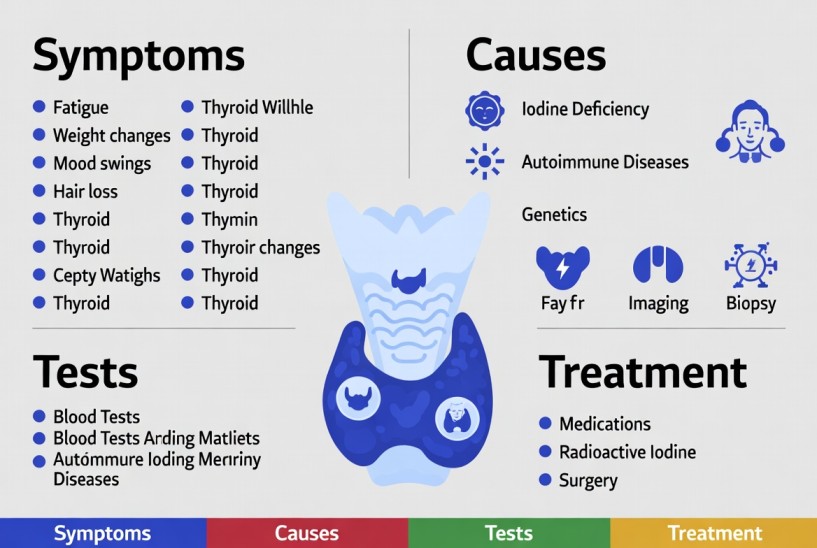
Thyroid Disease: What Is the Thyroid Gland? (Introduction) The thyroid is a small, butterfly-shaped gland located at the front of the neck. It produces hormones that regulate metabolism, energy levels, heart rate, body temperature, mood, and weight. When the thyroid gland produces too little or too much hormone, it leads to a medical condition known as thyroid disease, which causes multiple physical and mental symptoms. ⚠️ Types of Thyroid Disorders There are two main types of thyroid problems: 1️⃣ Hypothyroidism When the thyroid gland produces too little hormone. 2️⃣ Hyperthyroidism When the thyroid gland produces too much hormone. Each condition has different symptoms and health effects. 🔵 Hypothyroidism Symptoms (Low Thyroid Hormone) Common symptoms of hypothyroidism include: Constant fatigue and weakness Weight gain without increased food intake Feeling cold more often Hair thinning or hair loss Dry and rough skin Depression or low mood Memory problems Slow heart rate Irregular menstrual cycles Constipation Swelling of face or neck Excessive sleepiness Muscle pain or stiffness Hoarse voice Low libido 🔴 Hyperthyroidism Symptoms (Overactive Thyroid) Symptoms of hyperthyroidism may include: Sudden weight loss Rapid or irregular heartbeat Excessive sweating Heat intolerance Anxiety or nervousness Tremors in hands Difficulty sleeping Increased appetite Frequent bowel movements or diarrhea Menstrual disturbances Hair thinning Muscle weakness Mood swings Bulging eyes (Graves’ disease) Restlessness and fatigue 👩‍⚕️ Who Is at Higher Risk of Thyroid Disease? Thyroid disorders are more common in: Women People over 30 years of age Those with a family history of thyroid disease Post-pregnancy women Individuals with high stress levels People with iodine imbalance 🧪 Thyroid Tests and Diagnosis Doctors usually recommend the following tests: TSH (Thyroid Stimulating Hormone) Test T3 Test T4 Test Thyroid Ultrasound Thyroid Antibody Test (for autoimmune thyroid disease) A simple blood test can accurately diagnose thyroid problems. 💊 Thyroid Treatment Options Treatment depends on the type of thyroid disorder: Hypothyroidism Treatment: Daily thyroid hormone replacement (Levothyroxine) Regular blood monitoring Lifestyle and dietary improvements Hyperthyroidism Treatment: Anti-thyroid medications Radioactive iodine therapy Surgery in severe cases ⚠️ Never take thyroid medication without medical supervision. 🥗 Diet and Lifestyle for Thyroid Health Recommended Foods: Iodized salt Eggs Fish and seafood Fruits and vegetables Adequate water intake Foods to Limit: Junk and processed foods Smoking Excess soy products High caffeine intake ❓ Frequently Asked Questions (FAQs) Q1: Can thyroid disease be cured? Thyroid disorders are usually manageable, and symptoms can be controlled with proper treatment. Q2: Does thyroid affect fertility? Yes, untreated thyroid problems can cause fertility issues in both men and women. Q3: Is thyroid a lifelong condition? In many cases, thyroid disorders require long-term or lifelong management. Q4: Can thyroid cause weight changes? Yes, thyroid hormones directly affect metabolism and body weight. 📞 When Should You See a Doctor? Consult a doctor if you experience: Persistent fatigue Sudden weight changes Irregular heartbeat Menstrual irregularities Anxiety or depression without clear cause Early diagnosis helps prevent serious complications. 🔔 Call to Action (CTA) 👉 Get your thyroid levels tested today👉 Book an online doctor consultation-03339025207👉 Early treatment can protect your long-term health


Mardana Kamzori (مردانہ کمزوری)
Infertility

Mardana Kamzori (مردانہ کمزوری) – Asbab, Alamat Aur Asaan Ilaj

Mardana Kamzori (مردانہ کمزوری) ka masla ha abhi hmarey mahir Sexologist sa Appointment Book karen or apni parshani ka hal janeya. Book Appointment Mardana kamzori (مردانہ کمزوری) aik aisi health issue hai jo na sirf physical balkeh emotional zindagi ko bhi deeply affect karti hai. Har teesra mard kisi na kisi pehlu se is maslay ka shikaar hai — lekin afsos ke saath is par baat karna log sharam samajhtay hain. Is blog mein hum detail se batayein ge ke mardana kamzori (مردانہ کمزوری) kya hoti hai, iski wajahen, alamat aur hal kya hai — taake aap is maslay ko samajh kar behtar zindagi ki taraf pehla qadam utha saken. Mardana kamzori or uska ilaj Mardana Kamzori (مردانہ کمزوری) Kya Hai? Mardana kamzori (مردانہ کمزوری) ka matlab hai ke mard sexual activity ke doran proper erection hasil nahi kar pata ya maintain nahi kar pata. Yeh condition kabhi temporary hoti hai, kabhi permanent. Yeh masla aksar shadi shuda zindagi mein tension, confidence ki kami, aur relationship breakdown ka sabab ban jata hai. Mardana Kamzori (مردانہ کمزوری) Ki Common Alamat: Kamzor erection Jaldi discharge ho jana Sexual desire mein kami Confidence ki kami Partner se emotional distance Mardana Kamzori (مردانہ کمزوری) Ki Wajuhat: Jismani Wajuhat: Diabetes High BP Obesity Heart issues Smoking / drugs Testosterone hormone ki kami Zehni Wajuhat: Depression Stress Anxiety Relationship issues Performance ka pressure Lifestyle Factors: Ghalat diet Exercise ki kami Poor sleep Nasha aur unhealthy routine Mardana Kamzori (مردانہ کمزوری) Ka Ilaj: 1. Tabi Ilaj: Badam, akhrot, chilgoza Shahad aur doodh Herbal nuskhe: ashwagandha, salajeet Desi totkay (doctor ke mashware se) 2. Medical Ilaj: Viagra, Cialis (doctor ke under) Hormone therapy Counseling / Therapy Penile devices ya surgery 3. Lifestyle Changes: Daily walk/exercise Balanced diet Stress se nijaat Smoking/drinking se doori Proper neend Mardana Kamzori (مردانہ کمزوری) – Ghalat Fehmiyan: Sirf bude logon ko hoti hai — Galat Ye kabhi theek nahi hoti — Galat Iska matlab mard ba-nasli hai — Galat Partner Ka Kirdar Aur Support Mardana kamzori (مردانہ کمزوری) ka ilaj tabhi mumkin hai jab partner support kare. Sharminda karne ke bajaye himmat dena aur doctor se mashwara lena sabse aham hai. Prevention Tips: Healthy food Smoking se parhez Exercise ka routine Neend pooray karein Routine checkups zaroori hain Natija: Mardana kamzori (مردانہ کمزوری) ka ilaj possible hai. Agar waqt par is maslay ko samjha jaye, to aap behtar zindagi guzar sakte hain. Apni sehat aur zindagi ke liye pehla qadam uthaiye — be sharam, be jhijhak.

Test Tube Babies in Pakistan
Infertility

Test Tube Babies in Pakistan: A Journey Through IVF Treatments and Success Stories

Test Tube Baby in Pakistan. In recent years, the concept of Test Tube Babies in Pakistan has gained significant attention as a viable solution for couples struggling with infertility. In vitro fertilization (IVF), the scientific process behind test tube babies, has become a beacon of hope for many families. This article explores the rise of IVF in Pakistan, the procedures involved, success rates, and where to find the best fertility specialists and IVF centers, particularly in cities like Karachi. Understanding IVF and Test Tube Babies IVF, or in vitro fertilization, is a medical procedure where an egg is fertilized by sperm outside the body in a laboratory setting. The term “test tube baby” refers to a child conceived through this process. IVF is often recommended for couples facing infertility due to blocked fallopian tubes, low sperm count, advanced maternal age, or unexplained infertility. In Pakistan, where cultural and societal pressures to have children are high, IVF has emerged as a lifeline for many couples. The procedure offers a chance to experience parenthood, even in the most challenging circumstances. The Rise of IVF in Pakistan IVF treatments were introduced in Pakistan in the late 1980s and have since gained widespread acceptance. Initially met with skepticism due to cultural and religious concerns, IVF is now increasingly embraced as awareness grows and success stories become more common. Major cities like Karachi, Lahore, and Islamabad are home to state-of-the-art fertility clinics that offer advanced IVF treatments. These clinics cater to a growing demand for assisted reproductive technologies, helping countless couples achieve their dream of having a child. The IVF Process: Step-by-Step The IVF process involves several stages, each requiring careful monitoring and expertise: Initial Consultation and Fertility Assessment Couples undergo a thorough evaluation to determine the cause of infertility and the suitability of IVF. Ovarian Stimulation and Egg Retrieval The woman is given hormonal injections to stimulate egg production. Once the eggs are mature, they are retrieved through a minor surgical procedure. Fertilization and Embryo Development The retrieved eggs are fertilized with sperm in a laboratory. The resulting embryos are monitored for growth and quality. Embryo Transfer One or more healthy embryos are transferred into the woman’s uterus. This is a quick and painless procedure. Post-Procedure Care and Follow-Up Patients are monitored for signs of pregnancy, and supportive care is provided to ensure a successful outcome. Success Rates of IVF in Pakistan The success rate of Test Tube Babies in Pakistan varies depending on factors such as the woman’s age, the cause of infertility, and the quality of the clinic. On average, the success rate ranges from 30% to 50% per cycle, which is comparable to global standards. Younger women typically have higher success rates, while older women or those with underlying health conditions may require multiple cycles. It’s important for couples to have realistic expectations and to work closely with their fertility specialist to maximize their chances of success. Challenges and Considerations While IVF offers hope, it also comes with challenges. The emotional and psychological toll of infertility and IVF treatments can be significant. Couples often experience stress, anxiety, and disappointment, especially if a cycle is unsuccessful. Financial costs are another major consideration. A single IVF cycle in Pakistan can cost between PKR 300,000 and PKR 500,000, making it inaccessible for some families. Additionally, ethical and religious concerns may arise as some individuals question the moral implications of assisted reproduction. Finding the Best IVF Centers and Specialists Choosing the right fertility clinic is crucial for a successful IVF journey. In Pakistan, cities like Karachi are home to some of the country’s top IVF centers, equipped with advanced technology and staffed by experienced specialists. When selecting a clinic, consider factors such as success rates, patient reviews, and the availability of comprehensive care. Reputable centers offer not only IVF treatments but also counseling and support services to guide couples through the process. Success Stories: Real-Life Test Tube Baby Journeys The rise of Test Tube Babies in Pakistan has led to countless success stories. For example, a couple from Karachi struggled with infertility for over a decade before turning to IVF. After two cycles, they welcomed a healthy baby girl, fulfilling their long-held dream of parenthood. Such stories highlight the transformative power of IVF and offer hope to others facing similar challenges. They also underscore the importance of perseverance and seeking care from experienced professionals. Frequently Asked Questions (FAQs) What is a test tube baby? A test tube baby is a child conceived through IVF, where fertilization occurs outside the body in a laboratory. How successful is IVF in Pakistan? Success rates range from 30% to 50% per cycle, depending on factors like age and clinic expertise. Is IVF affordable in Pakistan? While IVF can be expensive, some clinics offer payment plans or financial assistance to make it more accessible. Are there ethical concerns with IVF? Some individuals may have ethical or religious concerns, but IVF is widely accepted as a solution for infertility. Conclusion The journey to parenthood through IVF is a deeply personal and often challenging experience. In Pakistan, the growing availability of IVF treatments has provided hope to countless couples, enabling them to overcome infertility and build families. For those considering IVF, it’s essential to seek guidance from reputable clinics and specialists. With the right support and determination, the dream of having a Test Tube Baby in Pakistan can become a reality. Resources and Further Reading Top IVF Centers in Karachi, Lahore, and Islamabad. Pakistan Society for Reproductive Medicine (PSRM). Support groups and online forums for couples undergoing IVF. By understanding the process and exploring available options, couples can take the first step toward achieving their dream of parenthood.

sperm donor in pakistan
Infertility

Sperm Donors in Pakistan: What You Need to Know About Finding a Suitable Match

Sperm donation is a medical solution that offers hope to couples struggling with male infertility, single women, and LGBTQ+ individuals who wish to start a family. While it remains a sensitive topic in many societies, sperm donation is becoming an increasingly viable option in Pakistan. This article explores the availability of sperm donors in Pakistan, the process of sperm donation, and the fertility clinics offering these services, particularly in cities like Karachi. Understanding Sperm Donation Sperm donation involves a man providing his sperm to help someone conceive a child. This process is often used in cases of male infertility, genetic disorders, or when a single woman or same-sex couple wishes to have a child. In Pakistan, where cultural and religious norms heavily influence societal attitudes, sperm donation is often viewed with caution. However, for many couples, it remains a crucial option to achieve parenthood. Legal and Cultural Landscape of Sperm Donation in Pakistan The legal status of sperm donation in Pakistan is not explicitly defined, leading to a gray area in regulation. While there are no specific laws prohibiting sperm donation, religious and cultural sensitivities often create barriers. Many Islamic scholars consider sperm donation outside of marriage to be ethically problematic, which influences public opinion and medical practices. Despite these challenges, fertility clinics in Pakistan are increasingly offering sperm donor services, often operating within a framework that respects local values. Clinics like Fallego ensure confidentiality and anonymity to protect the identities of both donors and recipients. The Process of Sperm Donation The process of sperm donation in Pakistan involves several steps to ensure safety and success. First, potential donors undergo rigorous screening, including medical and genetic testing, to rule out any health issues or hereditary conditions. Once a donor is approved, their sperm is collected and stored in a sperm bank. Recipients can choose a donor based on specific criteria, such as physical traits, ethnicity, and medical history. Fertility clinics like Fallego play a key role in facilitating this process, ensuring that the selected sperm is used in procedures like intrauterine insemination (IUI) or in vitro fertilization (IVF). Finding a Suitable Sperm Donor Finding a suitable sperm donor in Pakistan requires careful consideration. Recipients often look for donors who share similar physical characteristics, such as height, eye color, and skin tone, to ensure the child resembles the family. Medical history is another critical factor, as it helps minimize the risk of genetic disorders. Fertility clinics like Fallego typically maintain a database of screened donors, making it easier for recipients to find a match. In some cases, clinics may also collaborate with international sperm banks to provide a wider range of options. Fertility Clinics Offering Sperm Donor Services in Pakistan Several fertility clinics in Pakistan offer sperm donor services, particularly in major cities like Karachi, Lahore, and Islamabad. These clinics provide comprehensive care, including donor matching, IVF treatments, and counseling. In Karachi, for example, clinics like Fallego are known for their advanced reproductive technologies and experienced medical teams. These facilities adhere to international standards, ensuring high success rates for patients. Costs and Financial Considerations The cost of sperm donation and related fertility treatments in Pakistan can vary widely depending on the clinic and the specific procedures involved. On average, the cost of a single IVF cycle ranges from PKR 300,000 to PKR 500,000, with additional fees for donor sperm and related services. While insurance coverage for fertility treatments is limited in Pakistan, some clinics like Fallego offer payment plans or financial assistance programs to help patients manage the costs. It’s important for prospective parents to discuss these options with their chosen clinic. Emotional and Psychological Aspects The journey of sperm donation can be emotionally challenging for both recipients and donors. Couples may experience feelings of guilt, anxiety, or uncertainty, while donors may grapple with the long-term implications of their decision. To address these challenges, many fertility clinics in Pakistan, including Fallego, provide counseling and support services. These programs help individuals and couples navigate the emotional complexities of sperm donation, ensuring they are fully prepared for the process. Success Stories and Case Studies There are numerous success stories of couples in Pakistan who have achieved parenthood through sperm donation. For instance, a couple from Lahore struggled with male infertility for years before opting for donor sperm and IVF. Today, they are proud parents of a healthy child. Such stories highlight the transformative impact of sperm donation and offer hope to others facing similar challenges. They also underscore the importance of seeking professional guidance and support throughout the process. Frequently Asked Questions (FAQs) Is sperm donation legal in Pakistan? While there are no specific laws against sperm donation, it operates within a gray area due to cultural and religious sensitivities. How are sperm donors screened? Donors undergo thorough medical and genetic testing to ensure they are healthy and free from hereditary conditions. Can I choose the sperm donor? Yes, recipients can select a donor based on criteria such as physical traits, ethnicity, and medical history. What is the success rate of sperm donation in Pakistan? Success rates vary depending on the clinic and the specific treatment, but many clinics like Fallego report success rates comparable to international standards. Conclusion Sperm donation is a valuable option for individuals and couples in Pakistan who face challenges in conceiving naturally. While cultural and religious factors may pose challenges, fertility clinics like Fallego are working to provide safe and ethical services that respect local values. For those considering sperm donation, it’s essential to seek guidance from reputable clinics and professionals. With the right support, many couples have successfully achieved their dream of parenthood through this process. Resources and Further Reading The Fertility Clinic By Setna Pakistan Society for Reproductive Medicine (PSRM) By understanding the process and exploring available options, prospective parents can make informed decisions about sperm donation in Pakistan.

ivf in pakistan
Blog, Infertility

IVF in Pakistan: An Overview of the Best Fertility Clinics and Treatments Available

Infertility is a growing concern worldwide, and Pakistan is no exception. For couples struggling to conceive, In Vitro Fertilization (IVF) offers a ray of hope. IVF has become a widely sought-after fertility treatment in Pakistan, thanks to advancements in medical technology and the availability of skilled specialists. This article provides a comprehensive overview of IVF in Pakistan, focusing on the best fertility clinics, the treatment process, costs, success rates, and additional services like semen analysis and sperm donor options. Whether you’re in Karachi, Lahore, or Islamabad, this guide will help you navigate your IVF journey with confidence. Understanding IVF and Its Role in Fertility Treatment IVF, or In Vitro Fertilization, is an assisted reproductive technology that involves fertilizing an egg with sperm outside the body in a laboratory. The resulting embryo is then transferred to the uterus, where it can implant and develop into a pregnancy. IVF is often recommended for couples facing issues such as blocked fallopian tubes, low sperm count, endometriosis, or unexplained infertility. In Pakistan, the demand for IVF has surged in recent years due to increasing awareness and the availability of advanced fertility treatments. With the right clinic and expert care, many couples have successfully achieved their dream of parenthood through IVF in Pakistan. The IVF Process in Pakistan The IVF process involves several steps, each critical to the success of the treatment. Here’s what you can expect: Ovarian Stimulation: Fertility medications are used to stimulate the ovaries to produce multiple eggs. Egg Retrieval: Once the eggs are mature, they are retrieved through a minor surgical procedure. Fertilization: The eggs are fertilized with sperm in a laboratory. In some cases, Intracytoplasmic Sperm Injection (ICSI) is used to directly inject sperm into the egg. Embryo Culture: The fertilized eggs are cultured for a few days to form embryos. Embryo Transfer: One or more embryos are transferred into the uterus. Follow-Up: A pregnancy test is conducted after about two weeks to determine if the procedure was successful. Before starting IVF, couples typically undergo pre-treatment tests, such as semen analysis and hormonal evaluations, to assess their fertility status and tailor the treatment plan accordingly. Top IVF Centers in Pakistan Pakistan is home to several renowned fertility clinics that offer world-class IVF services. These centers are equipped with state-of-the-art technology and staffed by highly skilled specialists. While there are excellent options across the country, Karachi, Lahore, and Islamabad stand out as hubs for some of the best IVF centers in Pakistan. Best IVF Centers in Karachi Karachi, being Pakistan’s largest city, is home to several top-tier fertility clinics. Here are some of the best IVF centers in Karachi: Aga Khan University Hospital Known for its advanced technology and experienced specialists, Aga Khan University Hospital offers a wide range of fertility treatments, including IVF, ICSI, and egg freezing. The hospital’s high success rates and patient-centered care make it a top choice for couples seeking IVF in Pakistan. Conceptual Fertility Center Conceptual Fertility Center is one of the leading IVF clinics in Karachi, offering personalized treatment plans and cutting-edge technology. The clinic is renowned for its high success rates and compassionate care, making it a trusted name in fertility treatment. Liaquat National Hospital Liaquat National Hospital’s fertility center is equipped with state-of-the-art facilities and staffed by highly qualified specialists. The clinic offers a comprehensive range of services, including IVF, ICSI, and genetic testing, ensuring personalized care for each patient. These clinics are widely regarded as the best IVF centers in Pakistan due to their expertise, advanced technology, and commitment to patient care. Cost of IVF Treatment in Pakistan The cost of IVF treatment in Pakistan varies depending on the clinic, location, and specific services required. On average, the cost ranges from PKR 300,000 to PKR 600,000 per cycle. While this may seem expensive, many clinics offer payment plans to make treatment more affordable. Success Rates of IVF in Pakistan The success rates of IVF in Pakistan depend on several factors, including the age of the patient, underlying health conditions, and the expertise of the clinic. On average, the success rate for IVF in Pakistan ranges from 30% to 50% per cycle. Clinics with advanced technology and experienced specialists tend to have higher success rates. Additional Fertility Services in Pakistan In addition to IVF, many fertility clinics in Pakistan offer a range of services to address various infertility issues: Semen Analysis: A diagnostic test to evaluate sperm count, motility, and morphology. Sperm Donor Options: Availability of sperm donor programs for couples with severe male infertility. Egg Freezing and Donation: Options for women seeking to preserve fertility or use donor eggs. Genetic Testing: Preimplantation Genetic Diagnosis (PGD) to screen embryos for genetic disorders. Challenges and Considerations for IVF in Pakistan While IVF offers hope to many couples, there are challenges to consider: Cultural and Societal Attitudes: Infertility is often stigmatized in Pakistan, which can make seeking treatment emotionally challenging. Financial Constraints: The high cost of IVF can be a barrier for many couples. Emotional and Psychological Support: IVF can be a stressful process, and couples may benefit from counseling or support groups. Tips for Choosing the Right IVF Clinic in Pakistan When selecting an IVF clinic, consider the following factors: Success Rates: Look for clinics with high live birth rates per IVF cycle. Expertise of Specialists: Ensure the clinic has experienced fertility doctors and embryologists. Technology and Facilities: Choose a clinic with advanced equipment and techniques. Patient Reviews: Read testimonials and reviews from previous patients. Cost and Transparency: Opt for a clinic that offers clear pricing and payment plans. Conclusion IVF in Pakistan has become a beacon of hope for couples struggling with infertility. With world-class facilities, experienced specialists, and a commitment to patient care, clinics like Aga Khan University Hospital, Conceptual Fertility Center, and Liaquat National Hospital in Karachi stand out as top choices. By understanding the IVF process, costs, and success rates, you can make an informed decision and take the first step toward achieving your dream of parenthood. If you’re

best infertility center in pakistan
Blog, Infertility

How to Choose the Best Fertility Clinic in Pakistan for Your IVF Journey

Navigating fertility treatment can be an overwhelming experience, but choosing the right clinic can make all the difference. For couples struggling with infertility, In Vitro Fertilization (IVF) offers hope and a path to parenthood. However, the success of your IVF journey largely depends on the quality of the clinic you choose. In Pakistan, there are several top-tier fertility centers, with Karachi being home to some of the best infertility centers in the country. This article will guide you through the process of selecting the best infertility center in Pakistan, with a special focus on Karachi, to ensure you receive the highest standard of care. Understanding IVF and Its Importance IVF, or In Vitro Fertilization, is a widely used assisted reproductive technology that helps couples conceive when natural methods are not successful. The process involves fertilizing an egg with sperm outside the body in a laboratory and then transferring the embryo into the uterus. IVF is often recommended for conditions such as blocked fallopian tubes, low sperm count, endometriosis, or unexplained infertility. In Pakistan, the demand for IVF services has grown significantly as awareness about fertility treatments increases. With the right clinic and expert care, many couples have successfully achieved their dream of parenthood. Key Factors to Consider When Choosing a Fertility Clinic Selecting the best infertility center in Pakistan requires careful consideration of several factors: Success Rates: A clinic’s success rate is one of the most important indicators of its expertise. Look for centers with high live birth rates per IVF cycle. Expertise of Specialists: The qualifications and experience of fertility doctors, embryologists, and support staff play a crucial role in the success of your treatment. Technology and Facilities: Advanced equipment and techniques, such as ICSI (Intracytoplasmic Sperm Injection) and PGD (Preimplantation Genetic Diagnosis), can significantly improve outcomes. Range of Services: A comprehensive clinic will offer a variety of fertility treatments, including egg freezing, sperm donation, and genetic testing. Patient Reviews and Testimonials: Feedback from previous patients can provide valuable insights into the clinic’s quality of care and success rates. Cost and Transparency: IVF treatment can be expensive, so it’s important to choose a clinic that offers clear pricing and payment plans. Top IVF Centers in Pakistan Pakistan is home to several renowned fertility clinics that offer world-class IVF services. These centers are equipped with state-of-the-art technology and staffed by highly skilled specialists. While there are excellent options across the country, Karachi stands out as a hub for some of the best infertility centers in Pakistan. Best IVF Centers in Karachi Karachi, being Pakistan’s largest city, is home to several top-tier fertility clinics. Here are some of the best infertility centers in Karachi:  Aga Khan University Hospital Known for its advanced technology and experienced specialists, Aga Khan University Hospital offers a wide range of fertility treatments, including IVF, ICSI, and egg freezing. The hospital’s high success rates and patient-centered care make it a top choice for couples seeking IVF treatment. Conceptual Fertility Center Conceptual Fertility Center is one of the leading IVF clinics in Karachi, offering personalized treatment plans and cutting-edge technology. The clinic is renowned for its high success rates and compassionate care, making it a trusted name in fertility treatment. Liaquat National Hospital Liaquat National Hospital’s fertility center is equipped with state-of-the-art facilities and staffed by highly qualified specialists. The clinic offers a comprehensive range of services, including IVF, ICSI, and genetic testing, ensuring personalized care for each patient. These clinics are widely regarded as the best infertility centers in Pakistan due to their expertise, advanced technology, and commitment to patient care. Questions to Ask When Choosing an IVF Clinic Before selecting a fertility clinic, it’s important to ask the right questions to ensure you’re making an informed decision. Here are some key questions to consider: What are your success rates for IVF treatments? What qualifications and experience do your specialists have? What advanced technologies do you use? Do you offer personalized treatment plans? What is the total cost of treatment, and are there any hidden fees? Tips for a Successful IVF Journey Embarking on an IVF journey can be emotionally and physically demanding. Here are some tips to help you navigate the process: Seek Emotional Support: IVF can be stressful, so it’s important to have a strong support system in place. Consider joining support groups or seeking counseling. Adopt a Healthy Lifestyle: A balanced diet, regular exercise, and stress management can improve your chances of success. Build a Strong Relationship with Your Specialist: Open communication with your fertility doctor is key to a successful IVF journey. Cost of IVF Treatment in Pakistan The cost of IVF treatment in Pakistan varies depending on the clinic, location, and specific services required. On average, the cost ranges from PKR 300,000 to PKR 600,000 per cycle. While this may seem expensive, many clinics offer payment plans to make treatment more affordable. Conclusion Choosing the best infertility center in Pakistan is a critical step in your IVF journey. With world-class facilities, experienced specialists, and a commitment to patient care, clinics like Aga Khan University Hospital, Conceptual Fertility Center, and Liaquat National Hospital in Karachi stand out as top choices. By considering factors such as success rates, technology, and patient reviews, you can make an informed decision and increase your chances of a successful outcome. If you’re considering IVF treatment, don’t hesitate to schedule a consultation with one of these top clinics. Your dream of parenthood may be closer than you think. Call to Action Research and visit the best infertility centers in Pakistan to find the right clinic for your needs. Share this article with others who may benefit from this information. Leave a comment below if you have questions or experiences to share about IVF treatment in Pakistan.

sperm count test
Blog, Infertility

The Complete Guide to Sperm Tests and Semen Analysis: What You Need to Know About Costs and Clinics

Male fertility is a critical factor in the journey to parenthood, yet it is often overlooked. One of the most effective ways to assess male reproductive health is through a sperm count test and semen analysis. This diagnostic tool provides valuable insights into sperm health, helping to identify potential issues that may affect fertility. In this article, we’ll explore everything you need to know about sperm tests, including how they are conducted, what they reveal, and where you can find reliable clinics. We’ll also discuss semen analysis test prices, with a special focus on the best fertility clinics for men in Pakistan. What is a Sperm Count Test? A sperm count test is a key component of semen analysis, a diagnostic procedure used to evaluate male fertility. It measures the number of sperm present in a man’s ejaculate, along with other important parameters such as sperm motility (movement), morphology (shape), semen volume, and pH levels. A healthy sperm count typically ranges from 15 million to over 200 million sperm per milliliter of semen. Results below this range may indicate conditions like oligospermia (low sperm count), which can impact fertility. Semen analysis is a straightforward yet powerful tool for diagnosing male infertility and guiding treatment options. It is often the first step for couples experiencing difficulty conceiving. Why is a Sperm Count Test Important? A sperm count test is crucial for understanding male reproductive health. It helps identify potential causes of infertility, such as low sperm count, poor motility, or abnormal sperm shape. These issues can significantly reduce the chances of natural conception. Beyond fertility, semen analysis can also uncover underlying health problems, such as hormonal imbalances, infections, or blockages in the reproductive tract. Early diagnosis and treatment can improve both fertility outcomes and overall health. For couples planning to start a family, a sperm count test provides peace of mind and valuable information for making informed decisions about their reproductive journey. How is a Sperm Count Test Conducted? The process of a sperm count test is simple and non-invasive. Here’s what to expect: Preparation: Men are typically asked to abstain from ejaculation for 2 to 5 days before the test to ensure accurate results. Sample Collection: The semen sample is usually collected through masturbation in a private room at the clinic. Some labs may allow collection at home, but the sample must be delivered to the lab within an hour. Analysis: The sample is analyzed in a lab to measure sperm count, motility, morphology, and other factors. Results: Results are usually available within a few days and are reviewed with a healthcare provider to determine the next steps. Understanding Semen Analysis Results Semen analysis results provide a detailed picture of sperm health. Here’s what the key parameters mean: Sperm Count: The total number of sperm in the sample. A low count may indicate oligospermia. Motility: The percentage of sperm that are moving. Poor motility can hinder the sperm’s ability to reach and fertilize an egg. Morphology: The shape and structure of the sperm. Abnormal morphology can affect fertilization. Volume: The amount of semen produced. Low volume may indicate blockages or other issues. pH Level: The acidity or alkalinity of the semen, which can impact sperm health. If your results are abnormal, don’t panic. Many factors can influence sperm health, and lifestyle changes or medical treatments can often improve fertility. Factors Affecting Semen Analysis Results Several factors can impact the results of a sperm count test: Lifestyle Choices: Smoking, excessive alcohol consumption, drug use, and a poor diet can negatively affect sperm production. Environmental Exposures: Prolonged exposure to toxins, chemicals, or excessive heat (e.g., hot tubs or saunas) can harm sperm. Medical Conditions: Conditions like varicocele, diabetes, and hormonal imbalances can reduce sperm count. Age: While men can produce sperm throughout their lives, sperm quality tends to decline with age. Understanding these factors can help men take proactive steps to improve their reproductive health. Semen Analysis Test Prices: What to Expect The cost of a sperm count test can vary depending on the location, clinic, and additional tests included in the analysis. On average, semen analysis test prices range from 100to100to300 in many countries. In Pakistan, the cost is typically lower, ranging from PKR 5,000 to PKR 15,000, depending on the clinic and city. When choosing a clinic, it’s important to balance cost with quality. Look for accredited facilities with experienced staff and advanced technology to ensure accurate results. Best Fertility Clinics for Men in Pakistan Pakistan is home to several reputable fertility clinics that offer sperm count tests and comprehensive semen analysis. Here are some of the top options: Aga Khan University Hospital (Karachi): Known for its state-of-the-art facilities and experienced specialists. Shaukat Khanum Memorial Cancer Hospital & Research Centre (Lahore): Offers advanced diagnostic services, including semen analysis. Islamabad Clinic Serving Infertile Couples (ICSI): Specializes in male and female infertility treatments. When selecting a clinic, consider factors such as accreditation, patient reviews, and the range of services offered. Tips for Choosing the Right Clinic for a Sperm Count Test Ask Questions: Inquire about the clinic’s experience, success rates, and testing methods. Read Reviews: Check online reviews and testimonials from previous patients. Compare Costs: Request a detailed breakdown of fees to avoid hidden charges. Improving Sperm Health: Tips for Better Results If you’re looking to boost your sperm count and improve fertility, consider the following tips: Adopt a Healthy Lifestyle: Eat a balanced diet rich in antioxidants, exercise regularly, and avoid smoking and excessive alcohol. Manage Stress: Chronic stress can negatively impact hormone levels and sperm production. Avoid Heat Exposure: Limit time in hot tubs, saunas, or tight-fitting underwear that can raise scrotal temperature. Seek Medical Advice: If you have an underlying medical condition, consult a specialist for targeted treatment. Conclusion A sperm count test is a vital tool for assessing male fertility and diagnosing potential issues. Whether you’re planning to start a family or experiencing fertility challenges, semen analysis can provide critical insights and guide effective treatment options. With affordable

Sperm Count and Male Fertility Tests
Blog, Infertility

Understanding Sperm Count and Male Fertility Tests: What You Need to Know

Male fertility plays a crucial role in reproductive health, yet it is often overlooked in conversations about conception and family planning. One of the most important aspects of male fertility is sperm count, which is a key factor in determining a man’s ability to father a child. Sperm count tests and male fertility tests are essential tools for assessing reproductive health, diagnosing potential issues, and guiding treatment options. In this article, we’ll explore how these tests work, what they measure, and why they are vital for men planning to start a family or experiencing fertility challenges. What is a Sperm Count Test? A sperm count test, also known as a semen analysis, is a diagnostic procedure that measures the number of sperm present in a man’s ejaculate. It is one of the most common tests used to evaluate male fertility. A healthy sperm count is typically between 15 million to over 200 million sperm per milliliter of semen. Results below this range may indicate a condition called oligospermia (low sperm count), which can affect the chances of conception. The test also evaluates other important factors, such as sperm motility (movement) and morphology (shape), which are equally critical for successful fertilization. Together, these measurements provide a comprehensive picture of a man’s reproductive health. How Male Fertility Tests Work Male fertility tests go beyond just measuring sperm count. They assess multiple aspects of semen quality and reproductive function. A standard male fertility test typically includes the following: Sperm Count: The total number of sperm in the sample. Motility: The percentage of sperm that are moving and how well they swim. Morphology: The shape and structure of the sperm, which can impact their ability to fertilize an egg. Volume: The amount of semen produced during ejaculation. pH Level: The acidity or alkalinity of the semen, which can affect sperm health. These tests are usually conducted in a clinical setting, where a semen sample is collected and analyzed under a microscope. The results help healthcare providers identify potential causes of infertility, such as hormonal imbalances, infections, or blockages in the reproductive tract. Why Are Sperm Count and Male Fertility Tests Important? Sperm count and male fertility tests are critical for several reasons. First, they provide valuable insights into a man’s reproductive health, helping to identify issues that may not have obvious symptoms. For example, low sperm count or poor sperm motility can significantly reduce the chances of natural conception, yet these conditions often go unnoticed without testing. Second, these tests can uncover underlying health problems that may affect fertility, such as varicocele (enlarged veins in the scrotum), infections, or hormonal imbalances. Early diagnosis and treatment can improve fertility outcomes and overall health. Finally, for couples struggling to conceive, male fertility tests can help determine whether male factors are contributing to infertility. This information is essential for guiding treatment options, such as lifestyle changes, medications, or assisted reproductive technologies like in vitro fertilization (IVF). The Process of a Sperm Count Test and Male Fertility Test The process of a sperm count test or male fertility test is straightforward but requires careful preparation to ensure accurate results. Here’s what to expect: Preparation: Men are typically asked to abstain from ejaculation for 2 to 5 days before the test. This helps ensure that the semen sample is of optimal quality. Sample Collection: The sample is usually collected through masturbation in a private room at the testing facility. Some labs may allow collection at home, but the sample must be delivered to the lab within an hour. Analysis: The sample is analyzed in a lab to measure sperm count, motility, morphology, and other factors. Results: Results are usually available within a few days and are reviewed with a healthcare provider to determine the next steps. Factors That Influence Sperm Count Several factors can impact sperm count and overall semen quality. These include: Lifestyle Choices: Smoking, excessive alcohol consumption, drug use, and a poor diet can negatively affect sperm production. Environmental Exposures: Prolonged exposure to toxins, chemicals, or excessive heat (e.g., hot tubs or saunas) can harm sperm. Medical Conditions: Conditions like varicocele, diabetes, and hormonal imbalances can reduce sperm count. Age: While men can produce sperm throughout their lives, sperm quality tends to decline with age. Understanding these factors can help men take proactive steps to improve their reproductive health. Where to Get a Sperm Count Test or Male Fertility Test If you’re considering a sperm count test or male fertility test, there are several options available. Many fertility clinics, urology offices, and specialized labs offer these tests. To find a testing facility near you, consult your healthcare provider or search online for reputable labs. At-home sperm count tests are also available and can provide a preliminary assessment of sperm count. However, these tests are less comprehensive than clinical evaluations and should be followed up with a professional analysis if results are concerning. Interpreting Test Results Understanding the results of a sperm count test or male fertility test is crucial for determining the next steps. Normal results indicate healthy sperm production and function, while abnormal results may suggest issues like low sperm count, poor motility, or abnormal morphology. If your results are outside the normal range, don’t panic. Many factors can influence sperm count, and lifestyle changes or medical treatments can often improve fertility. Your healthcare provider can help you interpret the results and recommend appropriate interventions. Improving Sperm Count and Male Fertility If you’re looking to boost your sperm count and improve fertility, consider the following tips: Adopt a Healthy Lifestyle: Eat a balanced diet rich in antioxidants, exercise regularly, and avoid smoking and excessive alcohol. Manage Stress: Chronic stress can negatively impact hormone levels and sperm production. Avoid Heat Exposure: Limit time in hot tubs, saunas, or tight-fitting underwear that can raise scrotal temperature. Seek Medical Advice: If you have an underlying medical condition, consult a specialist for targeted treatment. Conclusion Sperm count tests and male fertility tests are invaluable tools for assessing reproductive health

Scroll to Top