fallego

Blog

Your blog category

thyroid
Blog, Dermatology, Infertility, Life Changing

Thyroid Symptoms: 15 Warning Signs, Causes, Tests & Treatment Explained

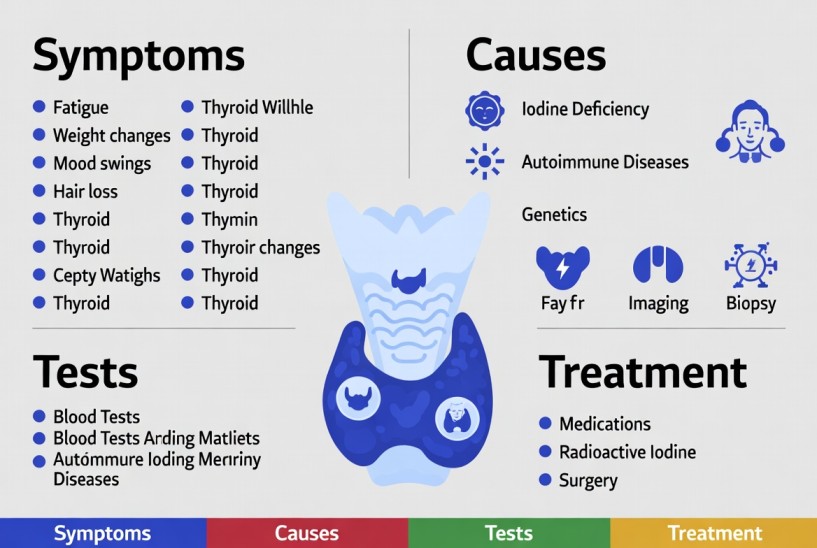
Thyroid Disease: What Is the Thyroid Gland? (Introduction) The thyroid is a small, butterfly-shaped gland located at the front of the neck. It produces hormones that regulate metabolism, energy levels, heart rate, body temperature, mood, and weight. When the thyroid gland produces too little or too much hormone, it leads to a medical condition known as thyroid disease, which causes multiple physical and mental symptoms. ⚠️ Types of Thyroid Disorders There are two main types of thyroid problems: 1️⃣ Hypothyroidism When the thyroid gland produces too little hormone. 2️⃣ Hyperthyroidism When the thyroid gland produces too much hormone. Each condition has different symptoms and health effects. 🔵 Hypothyroidism Symptoms (Low Thyroid Hormone) Common symptoms of hypothyroidism include: Constant fatigue and weakness Weight gain without increased food intake Feeling cold more often Hair thinning or hair loss Dry and rough skin Depression or low mood Memory problems Slow heart rate Irregular menstrual cycles Constipation Swelling of face or neck Excessive sleepiness Muscle pain or stiffness Hoarse voice Low libido 🔴 Hyperthyroidism Symptoms (Overactive Thyroid) Symptoms of hyperthyroidism may include: Sudden weight loss Rapid or irregular heartbeat Excessive sweating Heat intolerance Anxiety or nervousness Tremors in hands Difficulty sleeping Increased appetite Frequent bowel movements or diarrhea Menstrual disturbances Hair thinning Muscle weakness Mood swings Bulging eyes (Graves’ disease) Restlessness and fatigue 👩‍⚕️ Who Is at Higher Risk of Thyroid Disease? Thyroid disorders are more common in: Women People over 30 years of age Those with a family history of thyroid disease Post-pregnancy women Individuals with high stress levels People with iodine imbalance 🧪 Thyroid Tests and Diagnosis Doctors usually recommend the following tests: TSH (Thyroid Stimulating Hormone) Test T3 Test T4 Test Thyroid Ultrasound Thyroid Antibody Test (for autoimmune thyroid disease) A simple blood test can accurately diagnose thyroid problems. 💊 Thyroid Treatment Options Treatment depends on the type of thyroid disorder: Hypothyroidism Treatment: Daily thyroid hormone replacement (Levothyroxine) Regular blood monitoring Lifestyle and dietary improvements Hyperthyroidism Treatment: Anti-thyroid medications Radioactive iodine therapy Surgery in severe cases ⚠️ Never take thyroid medication without medical supervision. 🥗 Diet and Lifestyle for Thyroid Health Recommended Foods: Iodized salt Eggs Fish and seafood Fruits and vegetables Adequate water intake Foods to Limit: Junk and processed foods Smoking Excess soy products High caffeine intake ❓ Frequently Asked Questions (FAQs) Q1: Can thyroid disease be cured? Thyroid disorders are usually manageable, and symptoms can be controlled with proper treatment. Q2: Does thyroid affect fertility? Yes, untreated thyroid problems can cause fertility issues in both men and women. Q3: Is thyroid a lifelong condition? In many cases, thyroid disorders require long-term or lifelong management. Q4: Can thyroid cause weight changes? Yes, thyroid hormones directly affect metabolism and body weight. 📞 When Should You See a Doctor? Consult a doctor if you experience: Persistent fatigue Sudden weight changes Irregular heartbeat Menstrual irregularities Anxiety or depression without clear cause Early diagnosis helps prevent serious complications. 🔔 Call to Action (CTA) 👉 Get your thyroid levels tested today👉 Book an online doctor consultation-03339025207👉 Early treatment can protect your long-term health

MRI
Blog, General topics

MRI Scan: Complete Guide, Uses, Procedure, Risks & Cost Explained

An MRI scan (Magnetic Resonance Imaging) is one of the most advanced and accurate medical imaging techniques used today. Doctors rely on MRI scans to diagnose diseases of the brain, spine, joints, heart, and internal organs without using harmful radiation. Unlike X-rays or CT scans, MRI uses strong magnetic fields and radio waves to create detailed images of soft tissues. This makes it extremely useful for detecting conditions that cannot be seen clearly on other imaging tests. In this complete guide, you will learn what an MRI scan is, how it works, why it is done, its procedure, benefits, risks, cost, and preparation tip What Is an MRI Scan? An MRI scan is a non-invasive diagnostic test that produces high-resolution images of organs, tissues, and bones inside the body. MRI stands for Magnetic Resonance Imaging. It does not use X-rays. Instead, it uses: Powerful magnets Radiofrequency waves Computer processing These elements work together to create clear, detailed images. How Does an MRI Scan Work? The human body contains a large amount of water. When you enter the MRI machine: Strong magnets align hydrogen atoms in your body Radio waves disturb this alignment When atoms return to their normal position, they emit signals These signals are converted into images by a computer This technology allows doctors to see even tiny abnormalities. Why Is an MRI Scan Done? (Uses of MRI Scan) 1. Brain & Nervous System Brain tumors Stroke Multiple sclerosis Seizures Head injury Migraines 2. Spine & Back Problems Slip disc Spinal cord injury Nerve compression Back pain Sciatica 3. Joints & Muscles Knee injuries Ligament tears Sports injuries Arthritis Muscle damage 4. Heart & Blood Vessels Heart structure Blood flow problems Congenital heart disease 5. Abdomen & Pelvis Liver disease Kidney problems Uterine fibroids Ovarian cysts Prostate issues 6. Cancer Detection Tumor detection Cancer staging Monitoring treatment response Types of MRI Scans 1. Standard MRI Used for general imaging of organs and tissues. 2. MRI with Contrast A special dye (gadolinium) is injected to enhance image clarity. 3. Functional MRI (fMRI) Measures brain activity by detecting blood flow changes. 4. Cardiac MRI Used specifically for heart evaluation. 5. Open MRI Designed for claustrophobic or obese patients. MRI Scan Procedure (Step-by-Step) Before the Scan Remove metal objects (jewelry, watch, phone) Inform doctor about implants or pacemakers Change into hospital gown Fasting may be required for contrast MRI During the Scan You lie on a movable table Table slides into the MRI machine Loud knocking sounds occur (earplugs provided) You must stay still Scan lasts 20–60 minutes After the Scan You can resume normal activities If contrast was used, drink plenty of water Results are reviewed by a radiologist Is MRI Scan Painful? No. An MRI scan is completely painless.However, some people may feel: Discomfort from lying still Anxiety due to enclosed space Mild warmth in the scanned area MRI Scan Side Effects & Risks MRI scans are considered extremely safe. Possible Risks Claustrophobia Allergic reaction to contrast (rare) Issues with metal implants ⚠️ MRI is NOT recommended for patients with: Pacemakers Cochlear implants Metal fragments in the body Always inform your doctor beforehand. MRI Scan vs CT Scan Feature MRI Scan CT Scan Radiation ❌ No ✅ Yes Soft tissue detail Excellent Moderate Scan time Longer Shorter Bone imaging Less ideal Better Safety Very high Moderate MRI Scan Cost in Pakistan The cost of an MRI scan in Pakistan depends on the body part and facility. Average MRI Scan Prices Brain MRI: PKR 12,000 – 18,000 Spine MRI: PKR 15,000 – 25,000 Knee MRI: PKR 10,000 – 18,000 MRI with contrast: PKR 20,000 – 35,000 Prices may vary by city and hospital. How to Prepare for an MRI Scan Wear loose, metal-free clothing Inform about pregnancy Mention kidney problems (for contrast MRI) Take anxiety medication if prescribed Arrive 30 minutes early MRI Scan During Pregnancy MRI is generally safe during pregnancy, especially after the first trimester. However: Contrast MRI is usually avoided Only done if medically necessary Always consult your doctor. MRI Scan Results MRI results are interpreted by a radiologist and shared with your doctor. Result Timeline Same day to 48 hours Urgent cases: within hours Benefits of MRI Scan No radiation exposure Highly detailed images Early disease detection Accurate diagnosis Safe for repeated use FAQs – MRI Scan 1. How long does an MRI scan take? Usually 20 to 60 minutes, depending on the body part. 2. Can MRI detect cancer? Yes, MRI is highly effective in detecting and staging cancer. 3. Is MRI scan safe? Yes, MRI is one of the safest imaging tests available. 4. Can I eat before MRI scan? Yes, unless fasting is required for contrast MRI. 5. Is MRI better than CT scan? For soft tissues, brain, and nerves—yes. MRI Scan in Karachi & Pakistan MRI scans are widely available in: Government hospitals Private diagnostic centers Tertiary care hospitals Booking through online health platforms helps reduce waiting time. Final Thoughts An MRI scan is a powerful diagnostic tool that helps doctors detect diseases accurately without radiation. Whether it’s brain disorders, spine issues, joint injuries, or cancer detection, MRI plays a vital role in modern healthcare. If your doctor recommends an MRI scan, there’s no need to worry—it is safe, painless, and highly informative. 🧠 Early diagnosis saves lives—don’t delay your MRI scan.

Vitamin D Deficiency
Blog

Vitamin D Deficiency: Causes, Symptoms, Risks & Complete Treatment Guide

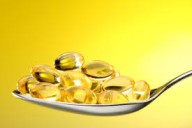
Vitamin D deficiency is one of the most common yet ignored health problems worldwide. Despite living in sunny regions like Pakistan, millions of people suffer from low vitamin D levels without realizing it. Vitamin D plays a crucial role in maintaining strong bones, supporting immunity, regulating mood, and preventing chronic diseases. A deficiency can silently damage your body, leading to fatigue, bone pain, frequent infections, hair loss, depression, and even heart disease. In this detailed guide, we will explain what vitamin D deficiency is, why it happens, its symptoms, risks, diagnosis, treatment, and prevention—all in simple, easy-to-understand language. What Is Vitamin D? Vitamin D is a fat-soluble vitamin that acts like a hormone in the body. It helps your body: Absorb calcium and phosphorus Maintain strong bones and teeth Support immune system function Reduce inflammation Improve muscle strength Support mental health Your body produces vitamin D when your skin is exposed to sunlight. It can also be obtained through certain foods and supplements. Causes of Vitamin D Deficiency 1. Lack of Sun Exposure Staying indoors most of the day Covering most of the body with clothing Using excessive sunscreen Living in polluted cities 2. Poor Diet Vitamin D is naturally found in very few foods. A diet lacking these foods increases deficiency risk. 3. Dark Skin Tone Melanin reduces the skin’s ability to produce vitamin D from sunlight. 4. Obesity Vitamin D gets stored in fat cells, reducing its availability in the blood. 5. Digestive Disorders Conditions like: Celiac disease Crohn’s disease Ulcerative colitis can reduce vitamin D absorption. 6. Liver or Kidney Disease These organs are needed to convert vitamin D into its active form. 7. Aging Older adults produce less vitamin D from sunlight. Causes of Vitamin D Deficiency Symptoms may develop slowly and are often ignored. Common Symptoms Constant tiredness and fatigue Bone pain and back pain Muscle weakness Joint pain Frequent infections Slow wound healing Mental Health Symptoms Depression Anxiety Mood swings Brain fog Severe Symptoms Bone fractures Osteoporosis Rickets (in children) Muscle cramps Hair loss Vitamin D Deficiency in Women Symptoms may develop slowly and are often ignored. Common Symptoms Constant tiredness and fatigue Bone pain and back pain Muscle weakness Joint pain Frequent infections Slow wound healing Mental Health Symptoms Depression Anxiety Mood swings Brain fog Severe Symptoms Bone fractures Osteoporosis Rickets (in children) Muscle cramps Hair loss Vitamin D Deficiency in Men Men with low vitamin D may experience: Low testosterone levels Muscle loss Reduced stamina Erectile dysfunction Increased risk of heart disease Vitamin D Deficiency in Children Children with vitamin D deficiency may develop: Delayed growth Weak bones Bowed legs Rickets Poor immunity Adequate vitamin D is essential during growth years. Health Risks of Untreated Vitamin D Deficiency If left untreated, vitamin D deficiency can lead to serious health problems: Osteoporosis Frequent fractures Heart disease Diabetes High blood pressure Autoimmune diseases Depression Increased cancer risk How Is Vitamin D Deficiency Diagnosed? A simple blood test called 25-hydroxyvitamin D test is used. Who Should Get Tested? People with bone pain or fatigue Pregnant women Elderly individuals Obese individuals People with chronic illnesses Vitamin D Deficiency Treatment 1. Sun Exposure 15–30 minutes of sunlight 3–4 times per week Expose face, arms, and legs 2. Vitamin D-Rich Foods Food Vitamin D Content Fatty fish (salmon, tuna) High Egg yolk Moderate Liver Moderate Fortified milk Moderate Fortified cereals Moderate Mushrooms Low 3. Vitamin D Supplements Common Dosages (Doctor-Guided): Mild deficiency: 800–1000 IU daily Moderate deficiency: 2000 IU daily Severe deficiency: 50,000 IU weekly for 6–8 weeks ⚠️ Always consult a doctor before high-dose supplements. Vitamin D Deficiency Treatment in Pakistan Due to widespread deficiency, doctors in Pakistan often prescribe: Vitamin D3 injections Weekly high-dose capsules Long-term maintenance doses Urban lifestyle, pollution, and indoor work are major contributors. Can You Take Too Much Vitamin D? Yes. Excess vitamin D can cause: High calcium levels Kidney stones Nausea and vomiting Heart rhythm problems Stick to prescribed doses only. How to Prevent Vitamin D Deficiency Get regular sunlight Eat vitamin D-rich foods Maintain healthy body weight Take supplements if prescribed Get levels checked annually Vitamin D Deficiency & Immunity Vitamin D strengthens immune response and reduces inflammation. Low levels increase the risk of: Flu Respiratory infections COVID-19 complications

hibiscus
Blog, Fitness, General topics, Nutritionist

Hibiscus Complete Guide: Benefits, Uses & How to Use It

What Is Hibiscus? Hibiscus refers to a group of flowering plants from the Hibiscus family. The most commonly used species for health and beauty is Hibiscus sabdariffa — popularly known as roselle or red sorrel. Its deep red petals contain antioxidants, vitamin C, flavonoids, and organic acids that give hibiscus its unique taste and health benefits.People around the world enjoy hibiscus in different forms: as tea, herbal infusions, jams, syrups, skincare extracts, and topical remedies 🧠 Nutritional and Phytochemical Profile Hibiscus petals and leaves contain: Vitamin C — essential for collagen and immunity.  Anthocyanins — powerful antioxidants responsible for the red color and anti‑aging properties.  Flavonoids (quercetin, kaempferol) — reduce inflammation and protect cells.  Organic acids (citric, malic) — help digestion and natural exfoliation.  Amino acids — support hair growth and structure.  🫖Hibiscus Tea: Health Benefits & How to Prepare One of the most popular ways to consume hibiscus is by brewing it into tea — enjoyed hot or cold. Health Benefits of Hibiscus Tea Boosts immunity due to vitamin C and antioxidants.  Helps digestion & reduces bloating. Its natural fruit acids have a gentle digestive effect.  May help lower blood pressure and cholesterol. Hibiscus tea is studied for cardiovascular benefits like reducing high blood pressure and improving cholesterol levels.  Natural hydration & detoxification. The tea supports hydration and helps flush out toxins.  How to Make Hibiscus Tea Hot Tea Boil water. Add 1–2 tsp dried hibiscus petals. Steep 5–10 minutes. Strain and enjoy with honey or lemon.  Cold Hibiscus Infusion (Sun Tea) Add hibiscus to cold water in a jar. Let sit in sunlight 2–6 hours. Strain and serve chilled.  💁‍♀️ Hibiscus for Hair: Grow Stronger & Shinier Hair Hibiscus isn’t just beautiful — it’s a natural hair‑care powerhouse too. The nutrients in hibiscus, including vitamins and amino acids, nourish the scalp and support healthier hair growth. Regular use can help strengthen hair strands, reduce breakage, and improve overall hair texture. Hibiscus can also enhance shine and softness, acting as a natural conditioner. It can help soothe a dry scalp and may contribute to preventing dandruff and dryness. Some people also use hibiscus to help delay premature greying of hair due to its antioxidant properties. There are many ways to use hibiscus in your hair care routine. A hibiscus hair mask can be made by blending fresh hibiscus petals and mixing them with coconut oil or yogurt. This mixture is applied to the scalp and hair for about 30 minutes before rinsing. A hibiscus water rinse involves boiling the petals in water, cooling the infusion, and using it as a final rinse to add shine and smoothness to the hair.   💆‍♀️ Hibiscus for Skin: Benefits & Uses Hibiscus is often called “nature’s botox” because its natural compounds help support healthier, more youthful‑looking skin. Its high antioxidant content helps protect skin from environmental stress and supports elasticity, which may reduce the appearance of fine lines and wrinkles. Hibiscus contains natural acids called alpha‑hydroxy acids (AHAs) that gently exfoliate the skin by removing dead skin cells and promoting cell renewal. This natural exfoliation can help reveal smoother, brighter skin over time. The flower also helps hydrate and moisturize the skin, keeping it soft and supple. Because of its skin‑friendly properties, hibiscus can help even out skin tone and reduce pigmentation or redness. Its anti‑inflammatory and antimicrobial qualities may also aid in controlling acne and calming irritated skin. Many people enjoy using hibiscus in DIY skincare treatments at home. A hibiscus face toner can be made by brewing strong hibiscus tea, letting it cool, and then using it as a refreshing mist. A hibiscus exfoliating mask is created by combining dried hibiscus powder with a natural base like yogurt and applying it to the face for 10–15 minutes before rinsing with lukewarm water. 🍽️ Culinary Uses of Hibiscus  Hibiscus isn’t just for beauty — it’s also popular in food and beverages. Its tart, refreshing flavor makes it an excellent base for teas and cold drinks. Hibiscus petals are also used to make jams and jellies, thanks to their natural pectin, and they can be incorporated into desserts and sauces to add color and tang.   ⚕️ Hibiscus and Women’s Health Hibiscus may offer benefits beyond beauty and culinary uses. It is rich in vitamin C, which can help support iron absorption — particularly useful for women who are prone to anemia. The organic acids in hibiscus can support digestion and help maintain overall wellness. In some traditional practices, hibiscus has been used to support hormonal balance and general female health. ⚖️ Safety, Side Effects & Interactions Hibiscus is generally safe for most people when used in moderation. However, some individuals may experience mild side effects such as stomach upset or bloating when consumed. When applied topically, it’s a good idea to perform a patch test first to check for any allergic reaction or irritation. Hibiscus may also interact with certain medications, especially those for blood pressure or blood sugar, so consulting a healthcare professional is recommended if you are on medication.   🌱 Growing & Storing Hibiscus Hibiscus plants thrive in warm, sunny environments with good soil drainage. They can be grown in pots or garden beds and pruned regularly to encourage more blooms. To store hibiscus for long‑term use, dry the petals thoroughly and keep them in a cool, airtight container away from direct sunlight. Properly dried hibiscus can last for months while retaining its color and benefits. 🧠 Quick Tips & Best Practices For best results, drink hibiscus tea 1–2 cups daily and use fresh ingredients in homemade skincare treatments to maximize their potency. Always patch‑test topical preparations before widespread use to avoid irritation, especially if you have sensitive skin. 🏁 Conclusion Hibiscus is a versatile, natural botanical with benefits that extend beyond beauty. From promoting healthier skin and stronger hair to providing refreshing drinks and culinary delights, this flower offers timeless value supported by both traditional use and modern interest. Whether you enjoy it as tea, a

Blog, General topics, Life Changing, Nutritionist

Clove Benefits — The Ultimate Health, Nutrition & Wellness Guide.

“Before starting Clove (or any herbal supplement), please consult a qualified doctor to ensure it is safe for your health conditions and won’t interfere with any medications.” Book Appointment with doctor to know more Clove – Introduction Cloves are aromatic flower buds from the Syzygium aromaticum tree that have been treasured in kitchens and traditional medicine for centuries. This spice is used globally not only for flavoring curries, teas, and desserts but also for its potent health-promoting properties. In this comprehensive guide, we’ll explore everything you need to know about clove benefits — from nutrition and scientific uses to traditional remedies, cooking tips, and safety precautions. 1. What Are Cloves? Cloves are dried flower buds that come from a tropical evergreen tree native to Indonesia and now cultivated in many parts of the world. The spice has a warm, sweet-spicy flavor and contains several powerful compounds, the most notable of which is eugenol — a compound responsible for many of its health effects. 2. Nutrition Profile of Cloves Although you typically consume cloves in small amounts, they contain nutrients and phytonutrients that contribute to their health benefits. One teaspoon of ground cloves contains small amounts of vitamins and minerals including: Manganese: essential for bone health and enzyme function. Vitamin K: supports metabolic processes. Potassium and beta-carotene: antioxidants that protect cells. Fiber: helps with digestion.  Because cloves are rich in eugenol, flavonoids, and phenolic acids, their antioxidant capacity ranks among the highest of spices. 3. Top Clove Benefits for Health Here are the most important clove benefits that have scientific support or long-standing traditional use: 3.1 Powerful Antioxidant Action Cloves contain high levels of antioxidants that help neutralize damaging free radicals. This oxidative stress is linked to aging and chronic diseases such as heart disease and cancer.  How it helps:✔ Protects cells from damage✔ Reduces oxidative stress✔ Supports overall longevity and wellness 3.2 Reduces Inflammation One of the hallmark clove benefits is the spice’s anti-inflammatory properties. Eugenol and other compounds may help reduce inflammatory markers in the body. Potential outcomes:✔ Reduced joint pain✔ Eased arthritis symptoms✔ Lower risk of long-term inflammation 3.3 Supports Digestive Health Cloves have been traditionally used to improve digestion. They can stimulate digestive enzymes and help relieve common gut issues like gas, bloating, nausea, and indigestion. Ways cloves help digestion:✔ Encourages enzyme secretion✔ Helps reduce gastric irritation✔ Relaxes intestinal muscles for comfort 3.4 May Help Regulate Blood Sugar Some research indicates that clove compounds may assist in regulating blood glucose and improving insulin sensitivity, making them potentially useful for blood sugar control.  While whole cloves are not a replacement for medical treatment, their incorporation into a balanced diet may support blood sugar management as part of a healthy lifestyle.  3.5 Promotes Liver Health Cloves contain compounds that may support liver function by reducing oxidative stress and aiding detoxification pathways.  Health benefits for the liver:✔ Protects liver cells from damage✔ Supports detox processes in the body 3.6 Antimicrobial & Infection-Fighting Effects Cloves have antimicrobial properties, meaning they may help control the growth of harmful bacteria, fungi, and microbes.  This makes them helpful for oral health, food preservation, and immune support. 3.7 Supports Oral & Dental Health Cloves are traditionally used in oral care due to their antiseptic qualities. Chewing cloves or using clove oil can help with bad breath, gum inflammation, and toothache relief.  Why this matters: The numbing effect of eugenol helps reduce dental pain.  3.8 May Aid Metabolic & Heart Health Emerging research suggests cloves may help support cardiovascular health by improving blood cholesterol levels and promoting healthy blood circulation — likely due to their antioxidant and anti-inflammatory effects.  Potential heart benefits:✔ Support for healthy LDL and HDL cholesterol levels✔ Reduced inflammation✔ Improved circulation 3.9 Immune System Support Because cloves have antimicrobial and antiviral compounds, they may help strengthen the body’s defenses against infections and seasonal illnesses when consumed regularly.  3.10 May Support Respiratory Health Clove tea or steam inhalation with cloves may help relieve symptoms of cough, congestion, and sore throat due to anti-inflammatory and soothing qualities.    4. Lesser-Known Clove Benefits While more research is needed for some of the following effects in humans, cloves are also associated with: 4.1 Potential Anticancer Properties Test-tube research suggests compounds in cloves may help inhibit the growth of certain cancer cells. However, human studies are limited and cloves should not be viewed as a treatment on their own. 4.2 Bone Health Support Because cloves contain manganese — a mineral important for bone formation — they may contribute to bone health when eaten as part of a nutrient-rich diet.  4.3 Urinary Tract Health Cloves’ antibacterial and mild diuretic properties may help support urinary health by inhibiting pathogens — though cloves should not replace medical care for infections.  4.4 Skin & Anti-Aging Effects The antioxidant properties of cloves may help protect skin cells from oxidative damage, supporting skin health and potentially reducing signs of aging when part of a balanced antioxidant-rich diet.  4.5 Hair & Scalp Support Though direct clinical evidence is limited, antioxidants and anti-inflammatory compounds in cloves may help maintain scalp health, reduce dandruff, and support overall hair condition when included in a nutritious diet.    5. How to Use Cloves for Maximum Benefits Here’s how you can incorporate cloves into your daily routine in simple, practical ways: 5.1 Clove Tea How to make:Crush 2–3 whole cloves, boil in water for 5–10 minutes, strain, and drink warm.This traditional remedy may support digestion, relieve bloating, and ease respiratory discomfort. 5.2 Cooking with Cloves Add whole or ground cloves to curries, stews, rice, baked goods, teas, and sauces for flavor and wellness support. 5.3 Clove-Infused Water Soak cloves in water overnight and drink the infused water in the morning to help kickstart digestion and metabolism. 5.4 Clove Oil Uses Clove essential oil can be used topically (diluted with a carrier oil) for localized pain relief — such as sore muscles or dental discomfort — but should be used cautiously due to high eugenol concentration.    6. Clove Benefits

ginkgo (ginkgo biloba)
Blog, General topics, Life Changing

Ginkgo biloba: Benefits, Risks & How It Works (Complete Guide)

Note: Before using any herbal supplement or treatment, always consult with a qualified doctor first. Book Online Consultation Ginkgo Biloba – Introduction Ginkgo biloba — often simply referred to as ginkgo — is one of the oldest living tree species on Earth, sometimes called a “living fossil.” Over centuries, people have used extracts from its leaves (and sometimes seeds) for various health purposes. In recent decades, ginkgo biloba supplements have surged in popularity worldwide. But how much of the hype is backed by credible science, and what are the real benefits and risks? In this article we take an in-depth look at ginkgo biloba: what it is, how it works, what research shows — and what you should watch out for before using it. What is Ginkgo biloba? Ancient Origins: Ginkgo biloba belongs to an ancient lineage of plants. Despite environmental changes and the extinction of many related species, ginkgo has survived — which is why it is often called a “living fossil.” Its resilience and longevity make it unique among trees. Botanical Features :The tree is known for its distinctive fan-shaped leaves and tolerance to pollution and urban conditions, making it a common ornamental species in gardens, parks, and cityscapes globally. Forms Used :Therapeutic products most often use the leaves — typically in extract form such as capsules, tablets, and teas. Raw leaves or seeds are usually not used due to safety concerns. Active Compounds :The main biologically active components in ginkgo biloba extracts are flavonoids and terpene lactones (including ginkgolides and bilobalide). These compounds are believed to contribute to its antioxidant, vascular, and neuroprotective effects. Claimed & Studied Benefits of Ginkgo biloba 1. Brain Health, Memory & Cognitive Function Antioxidant & Neuroprotective Effects: Ginkgo’s compounds may help protect brain cells against oxidative stress — a factor believed to contribute to cognitive decline and neurodegenerative diseases. Support for Dementia / Alzheimer’s : Some studies suggest ginkgo extract may help with cognitive symptoms in people with dementia or mild cognitive impairment by improving blood flow and protecting neurons. Mixed Evidence : Large, high-quality studies have found that ginkgo supplements do not prevent dementia or Alzheimer’s. Healthy Adults Evidence for memory or attention improvement in healthy adults is inconsistent and generally weak. Conclusion : Ginkgo may offer limited neuroprotective or symptomatic benefits in certain cognitive conditions, but it is not a guaranteed memory enhancer. 2. Circulation, Vascular Health & Peripheral Conditions Improved Circulation: Certain components in ginkgo may help widen blood vessels and improve blood flow, potentially benefiting the brain, limbs, and other organs. Peripheral Artery Disease / Claudication : Some trials have found modest improvement in walking distance and reduced leg pain due to improved circulation. Mixed Results : Not all studies confirm these effects, and improvements tend to be small. Conclusion : Ginkgo may offer some modest benefit for circulation-related conditions but should not replace medical treatment. 3. Mental Health — Anxiety, Mood, Depression, Stress Some research suggests ginkgo may help reduce symptoms of anxiety or depression due to its antioxidant and neuromodulatory effects. However, evidence is limited, and it should not be considered a primary treatment for mental health conditions.   4. Other Claimed Uses (Respiratory, Eye Health, etc.) Respiratory Issues : Historically used for asthma and respiratory discomfort. Modern studies show possible benefits for reducing airway inflammation, but evidence is still too limited. Eye Health : There are claims that ginkgo supports eye health, such as in glaucoma, but scientific proof remains insufficient. Risks, Side Effects & Who Should Avoid Ginkgo Common Side Effects : Headache, stomach upset, dizziness, skin reactions, heart palpitations, and digestive issues. Bleeding Risk : Ginkgo may increase bleeding risk because it affects platelet function. This is especially dangerous for people using blood thinners, those with bleeding disorders, or individuals preparing for surgery. Toxicity of Seeds : Raw or roasted ginkgo seeds can be poisonous and may cause seizures or other severe reactions.    Not Safe For Everyone Ginkgo is generally not recommended for: Pregnant or breastfeeding women Children People with bleeding disorders People on certain medications (blood thinners, antidepressants, anticonvulsants, diabetes medications, NSAIDs) Drug InteractionsGinkgo may interact with many medicines, so medical advice is essential. Typical Dosage & Forms Ginkgo biloba is available as: Capsules Tablets Standardized leaf extracts Liquid extracts Dried leaf teas Clinical studies usually use 120–240 mg per day, often in divided doses. Standardized extracts (with specific amounts of active compounds) are more reliable than raw leaves or non-standardized herbal mixtures.   Should You Use Ginkgo biloba? Consider these before using it: Your Goal : For serious health conditions, ginkgo should not replace medical treatment. It may offer mild support at best. Your Health Status : Healthy adults not taking interacting medications have a lower risk of side effects. Consult a Doctor : Especially important if you use any medications. Product Quality : Choose standardized extracts from reputable brands. Dosage : Stick to research-backed doses (120–240 mg/day). Higher doses do not mean better results.   Summary & Conclusion Ginkgo biloba is a remarkable ancient tree with extracts used for various health purposes. Science supports some benefits — particularly related to circulation and mild cognitive issues — but effects are usually modest and not guaranteed. It is not a miracle supplement, and it carries risks such as bleeding, drug interactions, and toxicity from raw plant parts. Always use standardized products and seek medical advice before starting. For memory, circulation, or general wellness, ginkgo may serve as a supportive option — but lifestyle practices like good sleep, exercise, and a balanced diet remain far more effective.

Gut health
General topics, Blog

Gut Health & Microbiome: The Key to Overall Wellness.

Your gut is more than just a digestive organ,it’s a complex ecosystem that plays a crucial role in your overall health. The gut microbiome, a community of trillions of bacteria, viruses, and fungi, influences everything from digestion to immunity, mental health, and even chronic disease prevention. In this blog, we’ll explore the importance of gut health, how your microbiome affects your well-being, and practical tips to maintain a healthy gut. Why Is Gut Health Important? Research has shown that a balanced gut microbiome is essential for: Digestion & Nutrient Absorption – Beneficial bacteria help break down food, produce essential vitamins (like B12 and K), and enhance nutrient absorption. Immune Function – Nearly 70% of your immune system resides in your gut. A healthy microbiome helps fight pathogens and reduces inflammation. Mental Health (The Gut-Brain Axis) – The gut produces neurotransmitters like serotonin (90% of it is made in the gut!) and GABA, which influence mood and cognitive function. Weight Management – Certain gut bacteria are linked to metabolism and obesity. Disease Prevention – Imbalances in gut bacteria (dysbiosis) are associated with conditions like IBS, diabetes, heart disease, and autoimmune disorders. Signs of an Unhealthy Gut How do you know if your gut is out of balance? Watch for these symptoms: Bloating, gas, constipation, or diarrhea Frequent infections or weak immunity Food intolerances Unexplained weight changes Skin issues (eczema, acne) Mood swings, anxiety, or depression Chronic fatigue How to Improve Your Gut Health 1. Eat a Diverse, Fiber-Rich Diet Prebiotics (food for good bacteria): Garlic, onions, leeks, asparagus, bananas, oats. Probiotics (live beneficial bacteria): Yogurt, kefir, sauerkraut, kimchi, miso, kombucha. Polyphenol-rich foods: Berries, dark chocolate, green tea, red wine (in moderation). 2. Reduce Sugar & Processed Foods High sugar and artificial additives can feed harmful bacteria, leading to dysbiosis. 3. Stay Hydrated Water supports mucosal lining in the intestines, aiding digestion. 4. Manage Stress Chronic stress disrupts gut bacteria. Try meditation, yoga, or deep breathing exercises. 5. Get Enough Sleep Poor sleep alters gut bacteria, affecting metabolism and immunity. 6. Exercise Regularly Physical activity promotes microbial diversity. 7. Avoid Overuse of Antibiotics Antibiotics kill both bad and good bacteria—use them only when necessary. Final Thoughts Your gut microbiome is a vital player in your overall health. By making mindful dietary and lifestyle choices, you can nurture a thriving gut ecosystem, leading to better digestion, immunity, and even mental clarity. Want personalized advice? Consult a healthcare provider or nutritionist to optimize your gut health! References The Gut Microbiome and Its Role in Health – Nature Reviews Microbiologyhttps://www.nature.com/articles/nrmicro.2018.23 Gut-Brain Axis: How the Microbiome Influences Mental Health – Harvard Health Publishinghttps://www.health.harvard.edu/blog/gut-brain-connection-2018 Diet, Gut Microbiota, and Immune Responses – Frontiers in Immunologyhttps://www.frontiersin.org/articles/10.3389/fimmu.2018.00001 Probiotics and Prebiotics for Gut Health – Mayo Clinichttps://www.mayoclinic.org/healthy-lifestyle/consumer-health/expert-answers/probiotics/faq-20058065 Impact of Sleep on Gut Microbiome – Sleep Medicine Reviewshttps://www.sciencedirect.com/science/article/pii/S1087079217300962

Five Signs You Should See an Online Doctor Rather Than Visit a Clinic Opening
Blog

Five Signs You Should See an Online Doctor Rather Than Visit a Clinic Opening

With millions of people globally choosing online consultation as their first choice, the healthcare scene has changed drastically recently. Virtual healthcare provides a sensible substitute for conventional clinic visits depending on time limits, convenience, or access.But when an online doctor is the appropriate fit, how can you find out? While severe diseases and crises call for in-person treatment, telemedicine can help many common health issues be adequately controlled. Five main indicators in this article will show you whether you should choose an online consultation rather than in-person one. 1. You have a non-emergency but urgent health issue.When would one want to use online consultation? Not every medical problem calls for visiting a doctor’s office. If your minor yet annoying symptoms include:Sinus, cold, flu, or bacterial illnessesallergies or minor rashesurinary tract infections, or UTIsdigestive issues including heartburn, diarrhoea, minor food poisoningminor sprains or muscular achesIf necessary, an online doctor can rapidly evaluate your symptoms, make treatment recommendations, and even write prescriptions. Advantages of a clinic visit There is no long waiting; avoid packed waiting areas.Steer clear of other diseases; particularly crucial during flu season or COVID-19 pandemic breakout.Faster relief—get evaluated and treated in minutes rather than hours. When Should One Visit a Clinic Instead? See in-person medical assistance right away if symptoms increase or include high temperature, intense pain, trouble breathing, or chest discomfort. 2. You Require a Follow-Up or Prescription Refill. How Online Physicians Assist? Managing chronic diseases include diabetes, hypertension, or asthma sometimes calls for frequent drug refills. An online consultation can rapidly renew current prescriptions rather than planning an in-person visit solely for a prescription renewal.Change dosages depending on your present health state.Give follow-up treatment free from the trouble of travel. Perfect for Patients That Are Busy You have no need to miss work; see a doctor either during a lunch break or after hours.Steer clear of pharmacy delays; e-prescriptions get straight to your pharmacy.Continuity of treatment: Keep up frequent check-ins free from clinic visits.RestraintsRegulations may still call for some controlled drugs (such as opioids or ADHD meds) in-person evaluations. 3. You Live in a Remote Area or Have Restricted Mobility Removing Obstacles to Medical Access. Online doctors offer a lifeline to persons with impairments, elderly patients, rural residents with few clinics, or anyone else. Advantages comprise:Not required any kind of transportation; consult from home.Dermatologists, psychologists, and other professionals might not be easily accessible nearby.Less stress: Steer clear of long, difficult visits to far-off medical centers. Telehealth for Chronic Pain or Post-Surgical Patients Follow-up visits without ever leaving the house.Video calls guide physical treatment.Help with pain management without regular clinic visits.When Personal Care Is EssentialA home healthcare professional or clinic visit may still be necessary if mobility problems are severe or need for hands-on treatment—such as wound care, injections. 4. You Have Mental Health Issues; Why Online Therapy Works? Online consultations help mental health issues including anxiety, despair, or stress since they provide more privacy and free from worry of stumbling across someone you know at a clinic.Comfort of home: many patients feel more relaxed talking about delicate subjects over distance.Flexible scheduling makes it easier to accommodate treatment into a hectic schedule.Variations of Mental Health Support Accessible Online Therapist sessions (Cognitive Behavioral Therapy, counselling)Psychiatric assessments for management of medicationsCrisis therapy and support groupsWhen should one seek in-person assistance?Should self-harm, severe psychosis, or emergency intervention be a concern, quick in-person care is absolutely essential. 5. You have a busy schedule or are travelling. Plot Healthcare Travel-Based Whether your travel schedule is regular or you just have a busy work-life balance, online doctors offer:Instant access when on a trip – Consult a doctor without first locating a local clinic.After-hours care: several systems provide 24/7 consultations.There is no need to postpone meetings; a brief ten to fifteen minute call will fix small problems.Typical Uses in Travel Related Terms Advice and vaccines for travel Altitude sickness, motion sickness, and jet lag assistPrescription substitutes should a prescription be lost. Traveler’s Limitations Certain nations ban telemedicine prescriptions.Major travel-related ailments (such as malaria or serious infections) could call for local medical assistance. At last By making healthcare faster, more convenient, and more accessible online consultation is revolutionizing it. Although it does not replace emergency or specialized in-person care, it is a great alternative for: non-emergency but urgent symptoms; prescription refills and follow-ups; patients with mobility or location issues; mental health support; busy professionals and traveler’s.Try an online doctor if you have been postponing a doctor’s visit for time, distance, or convenience; it could be the ideal fit for your situation. All set to dash the waiting area? Set up an online consultation right now.   Book an Appointment

Pakistani Mental Health Support
Blog

Pakistani Mental Health Support: Eliminating Stigma by Means of Anonymous Online Therapy

Summary Among the most pressing but overlooked public health issues facing Pakistan is still mental health. Millions of people suffer silently in a world where physical health concerns usually take the front stage over psychological well-being because of established stigma and inadequate freely available treatment. Recent estimates place the number of Pakistanis, or 24% of the adult population, who suffer with a mental health problem at about 50 million. Less than 10% of people, sadly, ever receive professional treatment. From major shortages of mental health professionals and insufficient government support for psychological services to religious beliefs and cultural taboos, Pakistan has many challenges to mental health treatment. Most people still cannot get traditional therapy, notably women, those living in rural areas, and low-income groups who already experience social and financial restrictions. Notwithstanding these challenges, anonymous online therapy sites are silently transforming the field. Using digital technology, these innovative ideas are providing thousands of people who might not otherwise get treatment discreet, moderately cost, and stigma-free mental health therapy. This paper looks at Pakistan’s mental health situation now, as well as how stigma prevents people from seeking treatment and the revolutionary possibilities of anonymous online therapy to transform the country’s mental healthcare system. The mental health state of Pakistan now A problem growing out of worrying statistics Pakistan’s mental health problem receives significantly less attention than infectious diseases or maternal health even if its terrible consequences. According to studies, 34% of Pakistanis suffer from depression and women are almost twice as likely as men to go through it due to domestic demands and gender-based discrimination. About twenty percent of city people have anxiety problems, which get worse with concerns about security and uncertain income. Post-traumatic stress disorder (PTSD) is widespread in areas afflicted by conflict as well as among survivors of natural disasters or acts of violence. Legal limitations and social stigma are causing suicide rates to rise drastically even if they are shockingly under recorded. Highly constrained resources for mental health. Pakistan’s mental healthcare system is pitifully inadequate, with about 0.5 psychiatrists per 100,000 compared to the worldwide average of 9 per 100,000. The concentration of mental health facilities in big cities basically results in minimal support in rural areas. Families have to pay for private care since the government allocates less than 1% of the whole health budget toward mental health. Structural and Cultural Obstacles Mental illness is often misdiagnosed in Pakistan and ascribed to supernatural causes (black magic, evil eye, etc.). Moral or spiritual shortcomings Family shame drives hidden symptoms. Delaying treatment over time, these misconceptions worsen diseases. How Stigma Influences Assistment Looking for the Reasons Stigma Still Exists Stigma around mental health in Pakistan comes from: Religious misunderstandings Many believe that mental illness is a test from God or a sentence for sin. Among religious leaders, some advocate prayer above medical treatment. Social shame and discrimination Often considered as a family shame, mental illness lowers social level and marital possibilities. Companies routinely discriminate against those known to have mental health issues. Limited Public Information Many Pakistanis cannot recognize symptoms of depression or anxiety. People dismiss emotional problems as “stress” or “mood swings.” The consequences of stigma. Late Treatment: People put off seeking therapy until their symptoms become excruciating. Social isolation: Sufferers cut off friends and relatives to hide their problems. Improved Suicide Risk: Many believe that, given the lack of support, suicide is their only alternative. Online anonymity counseling’s evolution. How Digital Therapy Is Breaking Through Obstacles In Pakistan, by providing anonymous internet therapy, mental health treatment is transforming. Complete Transparency Seeking help without revealing their identify helps users lower their anxiety of judgment. Possibility of Any rural resident can visit specialists using a smartphone instead of needing to go. Reasonably Cost Healthcare Online sessions cost significantly less than in-person counseling. On multilingual platforms, counseling is offered in Urdu, English, and regional languages. Popular Pakistani Online Therapists One community effort providing free and reasonably priced counseling is Taskeen. Umang: Aimed at women’s mental health. International apps (Talk space, Better Help) offer localized expertise from all around the world. Online Therapy: Affecting Mental Health Services Relating to Underprivileged Groups Women with restricted mobility can quietly seek therapy. Students under academic pressure use apps designed for stress treatment. Professionals in high-stress fields like doctors and journalists might find flexible sessions helpful. Chatbot and AI advancements Wyse and other artificial intelligence chatbots provide instantaneous emotional support. Self-help materials including mood monitors and meditation guides provide consumers hope in between sessions. Tales of Achievement Case Study 1: Text-based treatment lets a Karachi college student overcome severe anxiety. Case Study 2: Punjab farmer received PTSD treatment after floods destroyed his house. University and Corporate Acceptance Employee benefits today include mental health apps from firms like Jazz and Engro. Students at colleges like AKU and LUMS qualify for free online counseling. Difficulties and Limitations The Divide Digital Just 35% of Pakistan’s rural communities have reliable internet. Low degrees of computer literacy among elder generations impede access. Issues with quality control Certain platforms lack verified specialists. Pakistan does not have any set rules controlling online therapy. Privacy Concerns Regarding Data Violations of privacy worry users. Cybersecurity has to be stronger. Steps to increase mental health consciousness Government and policy reforms Mental health should get at least 5% of the whole health budget in spending. As shown by the Mental Health Gap Program of the WHO, include mental health into primary care. Media Advocacy and Celebrity Other celebrities including Mahira Khan have spoken out; more is to follow. Dramas and podcasts help to normalize therapy; “Udaari” tackled PTSD and child abuse. Solutions grounded in the local community Show local imams and teachers how to spot mental health issues. Peer support organizations empower communities to reduce isolation. Finally  Pakistan’s mental health crisis calls for a quick response. Though institutional indifference and stigma have long hampered growth, anonymous online therapy offers a strong, scalable solution. By providing private, easily available, fairly cost healthcare, online platforms are

Safe Gynecologist Consultations from Home
Blog

Telehealth for Women in Pakistan: Safe Gynecologist Consultations from Home

Introduction In recent years, telehealth has revolutionized healthcare by providing remote medical services through digital platforms. For women in Pakistan, accessing a gynecologist can be challenging due to cultural barriers, privacy concerns, and limited mobility. Many women hesitate to visit clinics for sensitive health issues, fearing judgment or lack of female specialists. Telehealth offers a secure and convenient solution, allowing women to consult a gynecologist from the comfort of their homes. Through online consultations, they can discuss menstrual health, pregnancy, contraception, infections, and menopause without the stress of in-person visits. This article explores how telehealth is transforming women’s healthcare in Pakistan, its benefits, challenges, and how to choose a reliable service. The Need for Telehealth Gynecologist Services in Pakistan Cultural and Societal Barriers In Pakistan, many women face restrictions when seeking medical care, especially for reproductive health. Societal norms often discourage open discussions about gynecological issues, leading to delayed treatments. Shortage of Female Gynecologists While urban areas may have qualified female gynecologists, rural regions suffer from a severe shortage. Many women feel uncomfortable consulting male doctors, leaving them with limited options. Privacy Concerns Women fear stigma when visiting clinics for issues like irregular periods, vaginal infections, or fertility problems. Telehealth ensures confidentiality, encouraging more women to seek timely medical advice. How Telehealth Works for Gynecological Consultations Step-by-Step Process Booking an Appointment – Patients can schedule an online consultation via apps, websites, or helplines. Virtual Consultation – The gynecologist discusses symptoms, medical history, and concerns via video call, phone, or chat. E-Prescriptions & Lab Referrals – If needed, doctors prescribe medications electronically or recommend diagnostic tests. Follow-ups – Patients can easily schedule follow-up sessions without repeated clinic visits. Conditions Addressed Through Telehealth Menstrual disorders (irregular periods, PCOS, heavy bleeding) Pregnancy-related queries (prenatal care, diet, complications) Contraception & family planning Vaginal & urinary infections (yeast infections, UTIs) Menopause symptoms (hot flashes, hormonal changes) Secure & Confidential Platforms Reputable telehealth services use encrypted platforms to protect patient data, ensuring privacy during sensitive discussions. Benefits of Online Gynecologist Consultations Convenience & Accessibility Women in remote areas no longer need to travel long distances to see a specialist. With just a smartphone and internet, they can connect with a gynecologist instantly.   Privacy & Comfort Many women avoid clinics due to embarrassment. Online consultations allow them to discuss intimate health issues discreetly. Cost-Effective Telehealth reduces expenses related to transportation, hospital fees, and time off work. Continuity of Care Patients can maintain regular follow-ups without missing appointments, ensuring better long-term health management. Challenges and Considerations Internet Connectivity Issues Rural areas often have poor internet access, making video consultations difficult. However, phone-based consultations can be an alternative. Limitations in Physical Examinations Some conditions (e.g., pelvic exams, ultrasounds) require in-person visits. Telehealth doctors can guide patients on when to seek physical care. Ensuring Qualified Specialists Not all online platforms have licensed gynecologists. Patients must verify doctors’ credentials before booking appointments. How to Choose a Reliable Telehealth Service   Check Doctor Credentials Ensure the platform employs certified gynecologists with experience in women’s health. Data Security & Privacy Choose services that comply with medical privacy laws (e.g., HIPAA or local regulations). Read Patient Reviews Feedback from other women can help gauge the quality of care provided. Affordable & Transparent Pricing Compare consultation fees and check if insurance covers telehealth services. The Future of Telehealth for Women’s Health in Pakistan Growing Digital Adoption With increasing smartphone usage, more women can access online consultations, bridging the healthcare gap. Government & Private Sector Initiatives Programs like Fallego and Marham are expanding telehealth services, connecting women with qualified gynecologists. Encouraging Female Doctors to Join Telehealth More female specialists entering telehealth will boost trust and accessibility for women patients. Conclusion Telehealth is transforming women’s healthcare in Pakistan by providing safe, private, and convenient access to gynecologists. Through online consultations, women can address sensitive health issues without fear or inconvenience. While challenges like internet access remain, the future of telehealth looks promising with growing digital adoption and healthcare initiatives. Women across Pakistan should take advantage of telehealth services to prioritize their reproductive health. By choosing reputable platforms, they can receive expert care from the comfort of their homes—breaking barriers and ensuring better health outcomes. Call to Action If you or a loved one need expert gynecological advice, turn to Fallego for trusted telehealth services. Book an online consultation with a certified gynecologist today and take the first step toward personalized care!

Scroll to Top